Apple To Expand Smart-Home Lineup, Taking On Amazon And Google
(Bloomberg) -- Apple Inc. is working on a slate of devices aimed at challenging Amazon.com Inc. and Google in the smart-home market, including new displays and a faster TV set-top box, after relaunching its larger HomePod speaker.
The push into smart displays will start with a tablet product — essentially a low-end iPad — that can control things like thermostats and lights, show video and handle FaceTime chats, people with knowledge of the plans said. The product could be mounted on walls or elsewhere using magnetic fasteners, positioning it as more of a home gadget than a regular iPad.
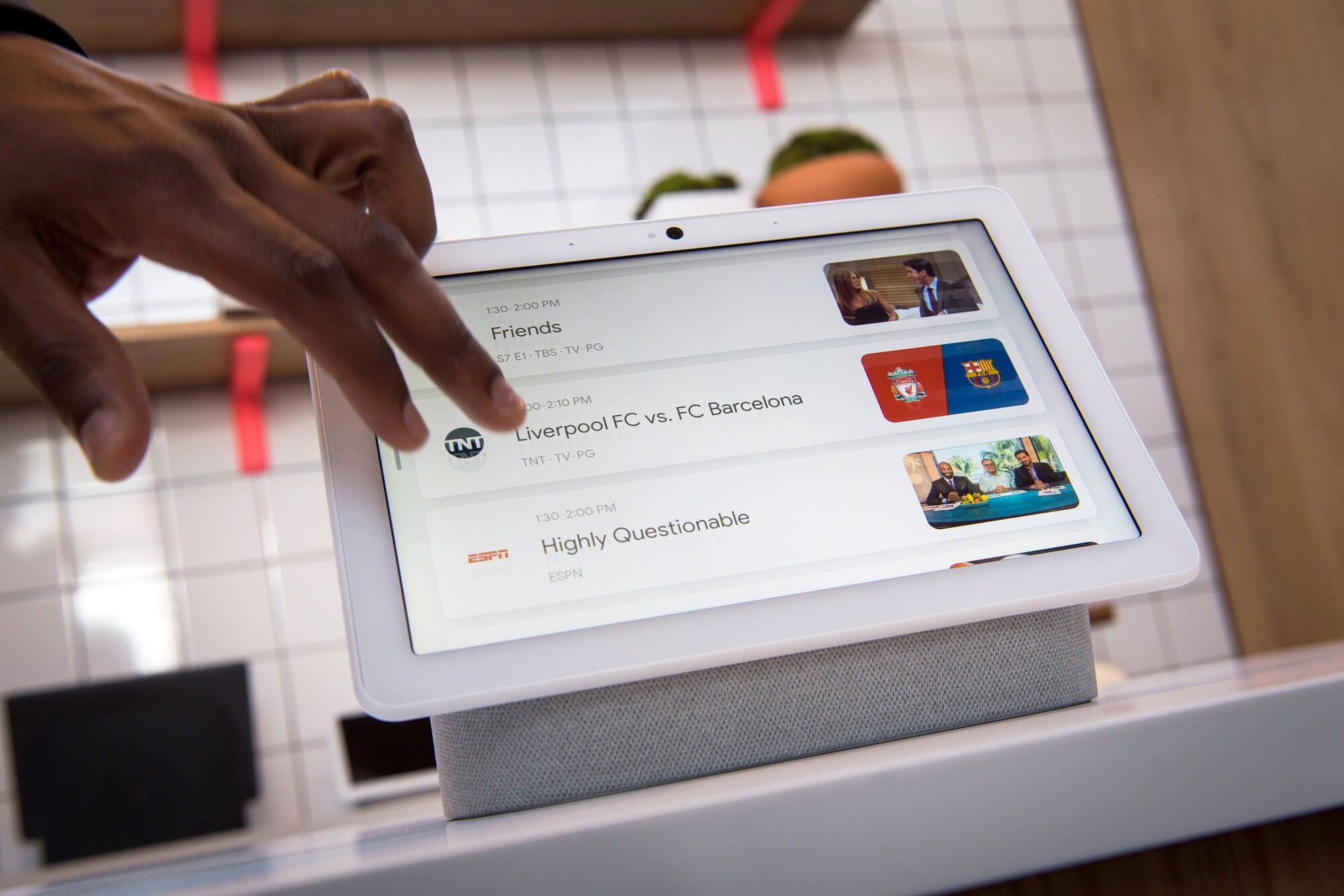
Apple has also discussed the idea of building larger smart-home displays, according to the people, who asked not to be identified because the deliberations are private.
While the iPad already has smart-home features, standalone smart-home devices — often designed as countertop or wall-mounted appliances — have grown increasingly popular. Amazon sells a line of Echo Show products with displays, while Google offers its Nest Hub. And the latter company — part of Alphabet Inc. — is readying a Pixel Tablet with an optional stand. Apple also has discussed creating a home stand for its current iPads.
The Cupertino, California-based technology giant has struggled in the home space and has ceded much of the market to its rivals. Its current devices remain limited in their functionality, with Apple's Siri voice-control service lagging behind Amazon's Alexa and the Google Assistant. The new devices — along with upcoming changes to Siri — are aimed at turning around Apple's fortunes.
A representative for Apple declined to comment.
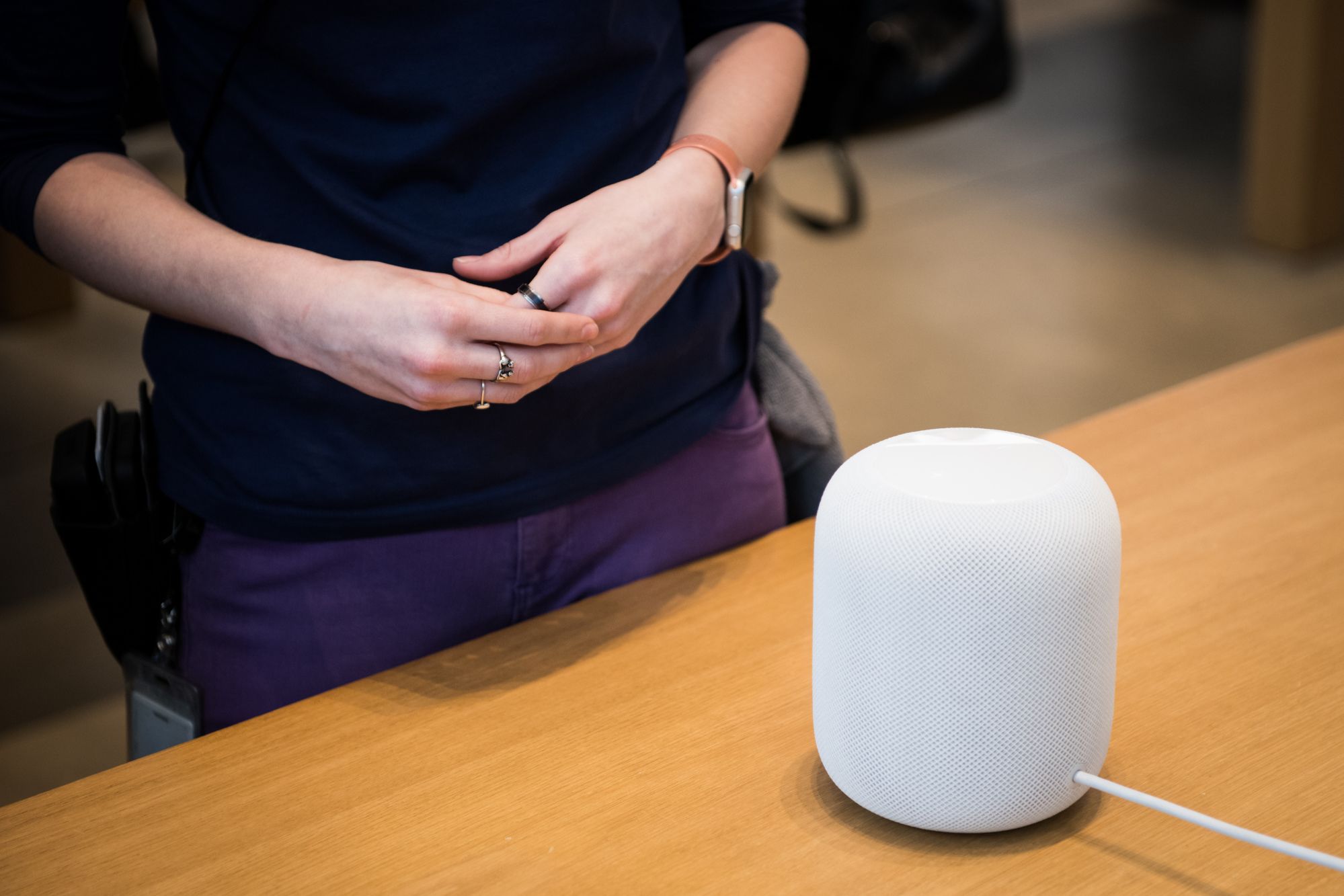
Earlier Wednesday, Apple rolled out the new HomePod speaker. The $299 device is revamped version of the original, running the same chip as last year's Apple Watch. It has an updated media panel on the top and a new sensor for determining the temperature inside of a user's home. Bloomberg reported that the new speaker was imminent earlier this year. The temperature monitor first appeared in the HomePod mini in 2021, though it wasn't yet functional at the time.
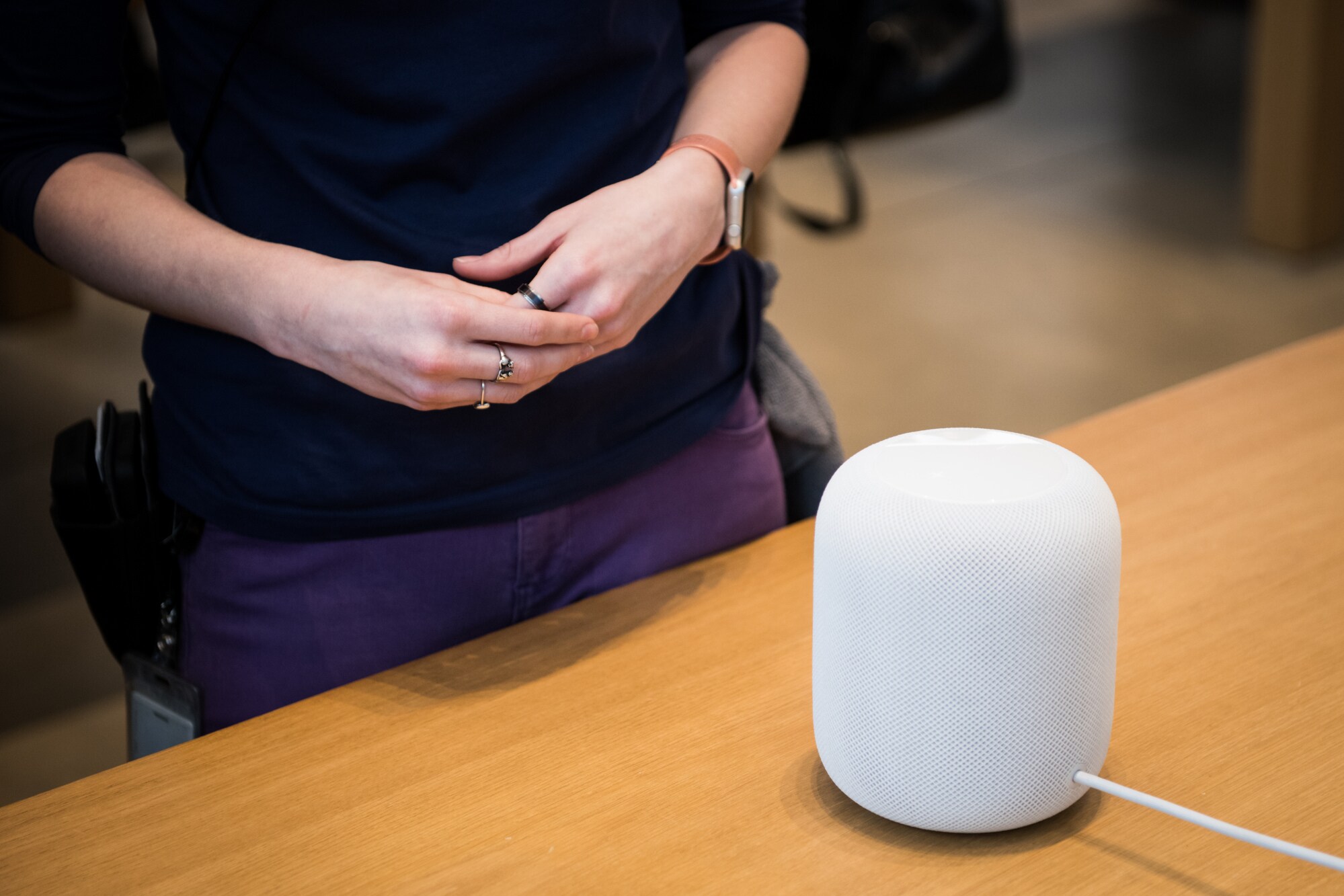
The original HomePod was discontinued in 2021 after mediocre sales, with customers balking at the price and limited functionality. It initially launched at $349 before a price cut — a rare move for Apple — took it down to $299. Apple introduced a $99 HomePod mini in 2020 that has proven to be more popular, taking about 13% of the smart-speaker market, according to Strategy Analytics.
As part of its pursuit of smart-home customers, Apple has agreed to support the new Matter protocol, which lets rival gadgets work together. The company also recently redesigned the Home app that helps control its devices.
Beyond the future smart displays and new speaker, Apple is working on revamping its TV box. A new version with the current design is in the works for the first half of next year with a faster processor, the people said.
Apple last updated its TV device in October, giving it the iPhone 14's A15 chip and a remote control that uses the USB-C standard. Despite regular efforts to improve the product, the Apple TV box has made limited headway in the market. It holds only a 5% share, according to Insider Intelligence, compared with 30% for Amazon and 28% for Roku Inc.
While the new version will support an upgraded chip, it likely won't support 8K video streaming, a still nascent video format.
Work on a long-anticipated product that would combine the TV box with a smart speaker and FaceTime camera also has suffered setbacks, though that project is still ongoing. The device was initially targeted for release this year, but the timing has slipped. Likewise, the smart displays have seen their development schedules delayed and likely won't launch until next year at the earliest.
More stories like this are available on bloomberg.com
©2023 Bloomberg L.P.

-
Gold Is Rs 22,000 Cheaper Than A Month Ago. Should You Buy Amid The Wedding Season?

Gold's potential slide to $3,500 could save around Rs 4,700 per 10 grams, but a soft inflation print could just as easily push prices back up. One way to split the risk is to buy in parts, some now and the rest after the Fed's Dec. 9 decision.
-
AI Agents Are Gaining Power. Who Governs Them?
Artificial intelligence agents promise to transform productivity by moving machines from assisting decisions to executing them. But as organisations delegate greater authority to these AI-agents, they must first establish who controls that authority and who remains accountable when things go wrong.
-
Why Swapping Your Old Gold Can Trigger A Rs 5 Lakh Tax Bill, And How You Can Avoid It Legally
Swapping old gold for new is taxed as a sale and a fresh purchase. Getting your own gold remade can cut most of that bill, though it has its own costs.
-
The AI Trade is Done. The Real Opportunity for Investors Starts in 2027 | Unhedged Position
As pureplay AI stocks plunge and circular, capex-led financing unwinds, 2027 is set to be a year of reckoning for AI companies. Yet the bust clears the way for a better opportunity for investors in 2027 -- shifting the spotlight from AI builders to the companies using AI.
-
Leadership As Mission: Why The Age Of AI Demands More Human Leadership
Debjani Ghosh examines how AI is changing leadership, arguing that its success must be measured by its impact on people and the accountability of those guiding its use.
-
We May Need Another Tukaram Mundhe To Fight Air Pollution | The Reason Why
Developers may install basic measures such as sprinklers and green nets, resume work, and continue violating rules when this equipment stops working.
-
Extracting Value From Battery Scrap Could Be Challenging For India | The Reason Why
A discarded lithium-ion battery still contains valuable materials such as lithium, nickel and cobalt. These can be recovered and reused. When such batteries are crushed and shredded, they produce a dark powder called black mass.
-
One El Nino, India Can Handle. Two Could Break The Granary
India's grain stocks can absorb one bad year, but a second El Nino could drain the buffer in two to three years, economists say.
-
India's Troika Of Good Luck | Joining The Dots
As Jensen Huang's exit drags Nvidia down, a cooling AI trade and resilient earnings have revived investor interest in India. A likely RBI rate hike looms.
-
Talking Points This Week: Leadership Shock At Nvidia, Earnings Strength, And The Fog Over Hormuz
The Anthropic IPO pricing and first trading day, Nvidia's upcoming earnings, and any fresh signals from Iran will set the tone for the following week.









