After UPI, This Is India’s Other Big Digital Infrastructure Success Story
India's Unified Payment Interface, atop which a number of digital payment solutions have been built, is widely recognised a big success. Apart from the growing adoption locally, the likes of Google have cited UPI as a model that should be replicated globally.
But UPI isn't India's only success. There is another public digital infrastructure platform that has made an impact on the India's financial services landscape.
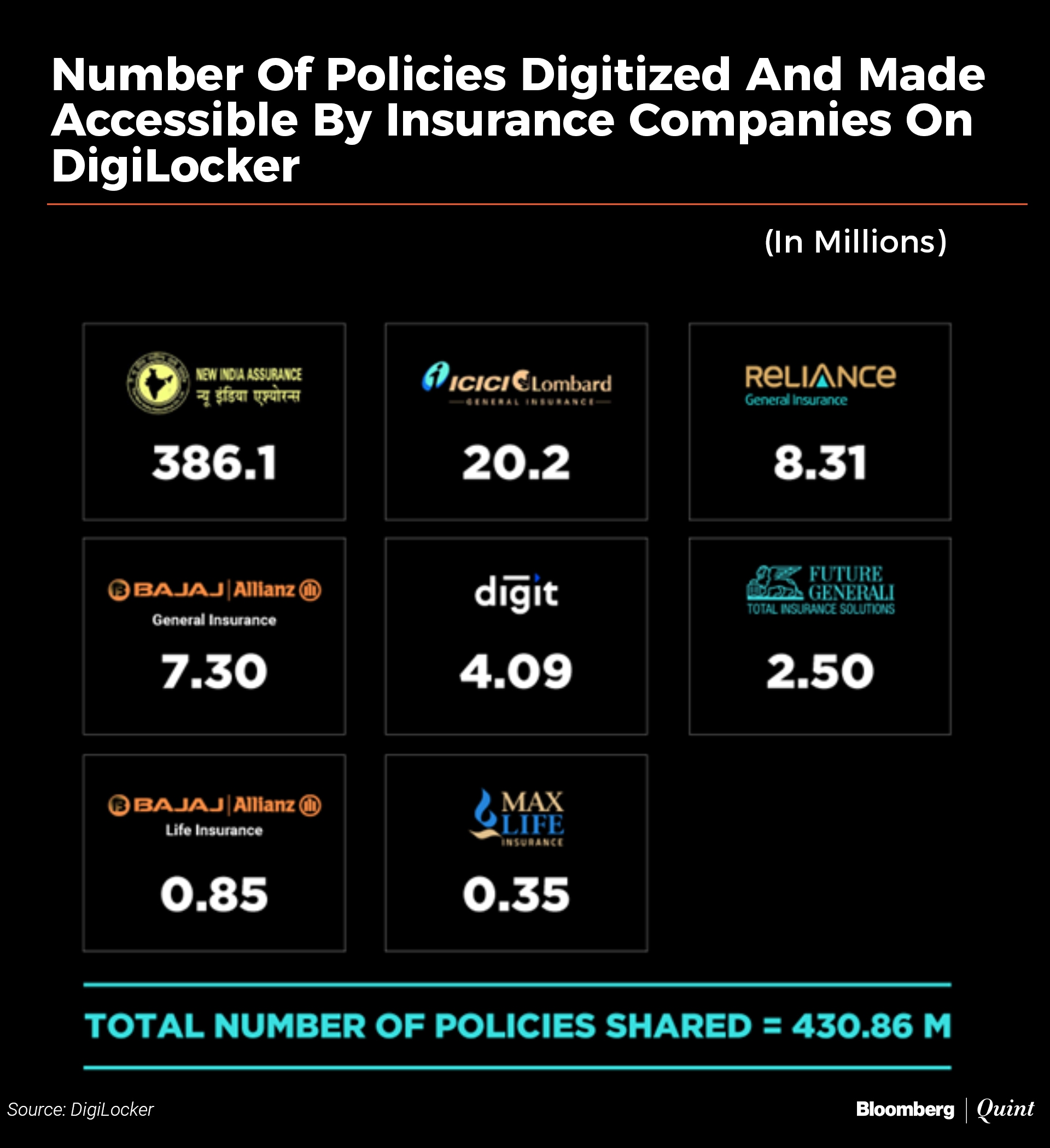
Since its inception in 2015, the DigiLocker has digitized over 430 million insurance policies, according to the official website. To put things in perspective, the estimated number of in-force life insurance policies in India stands at over 333 million, and the general insurance segment issued over 183 million new policies in the year 2018-19. Data for previous years in the general insurance segment is not available.
If that doesn't sound impressive, consider the fact that DigiLocker has issued (or made searchable) eAadhaar certificates for 1.2 billion citizens, and the Income Tax Department has provided PAN verification records to over 365 million citizens. This is also according to official data on the the DigiLocker website.
These numbers indicate a growing acceptance of the facility among public and private enterprises. In terms of its scale, coverage of issuers and document types, all on a single public infrastructure platform, there are no significant comparable to the DigiLocker on the world stage.
How The ‘DigiLocker' Works
DigiLocker enables registered organisations to push electronic copies of documents and certificates directly into citizens' lockers. Across the financial services segment, insurance companies have been the pioneers in embracing it for commercial use, and an increasing number of them are registering on the platform to add convenience and offer peace of mind to their customers. But this is just the beginning.
According to the latest figures:
- As of June 2020, out of the 58 insurance providers in India, 10 have integrated with DigiLocker.
- Another 29 of them are expected to be a part of DigiLocker's issuer base soon—this would comprise of 14 life and 15 general/non-life insurance players.
- As of now, 430.86 million digitised policy documents are accessible via DigiLocker.
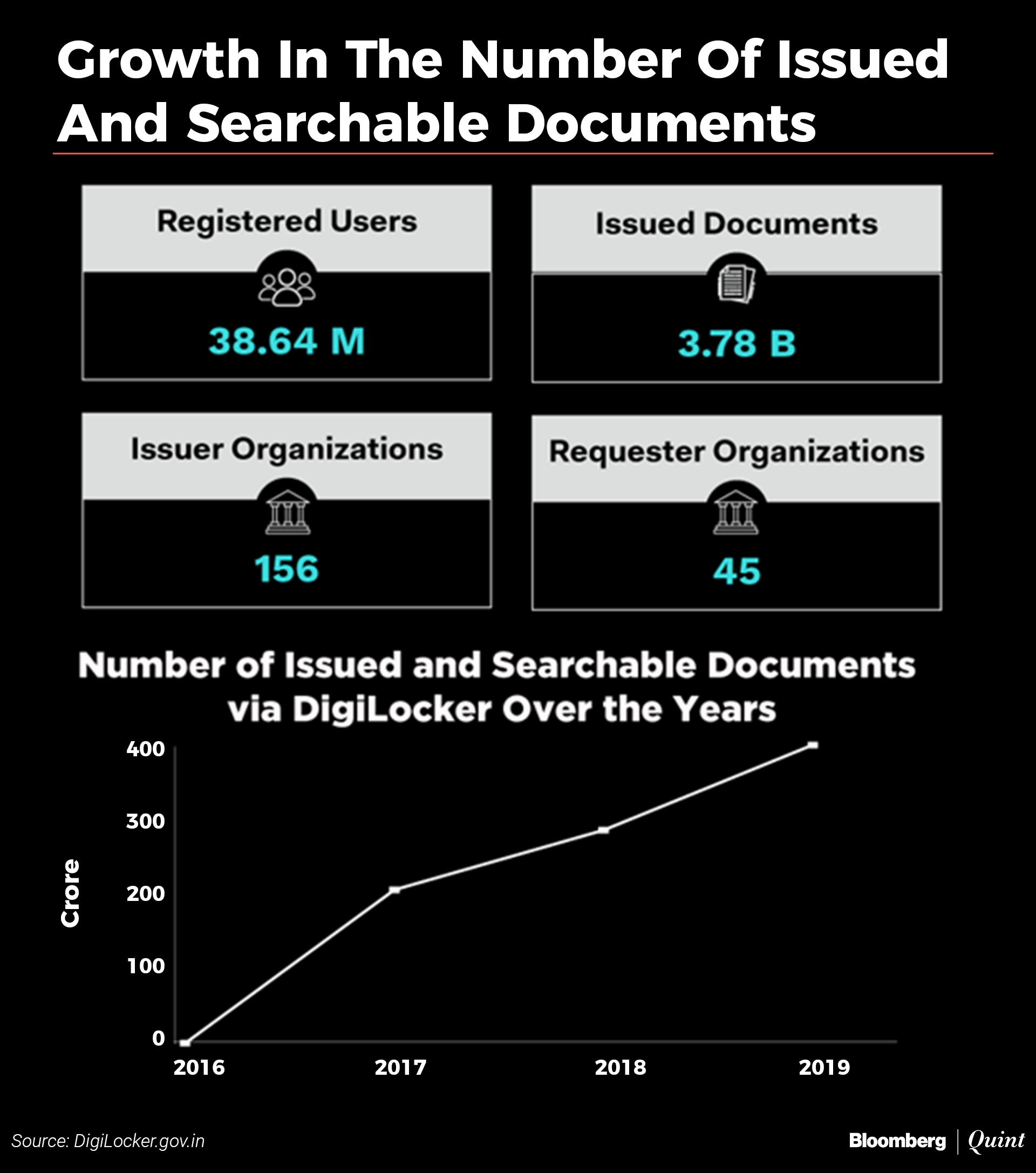
With more than 38 million registered users, 156 issuers, and 45 requesters, DigiLocker provides access to over 3.7 billion documents in digital format on a single platform. Over the years, the facility has seen healthy and steady growth in the number of issued and searchable documents.
Who Does It Help?
To fathom its rapid growth in under five years, it is essential to understand its functioning and how it benefits government agencies as well as businesses across industries, especially financial services.
DigiLocker allows cloud-based secure storage, retrieval, and sharing of digital documents. Each user gets a personal space of 1GB. These self-uploaded documents can be digitally signed using the eSign facility, which is similar to the process of self-attestation. It enables public and private document issuers such as central and state education boards, state road transport departments, income tax department, UIDAI, and insurers to make key documents searchable and authenticated by integrating with its standardised and well-documented APIs. An API is an application programming interface, which allows two applications to talk to each.
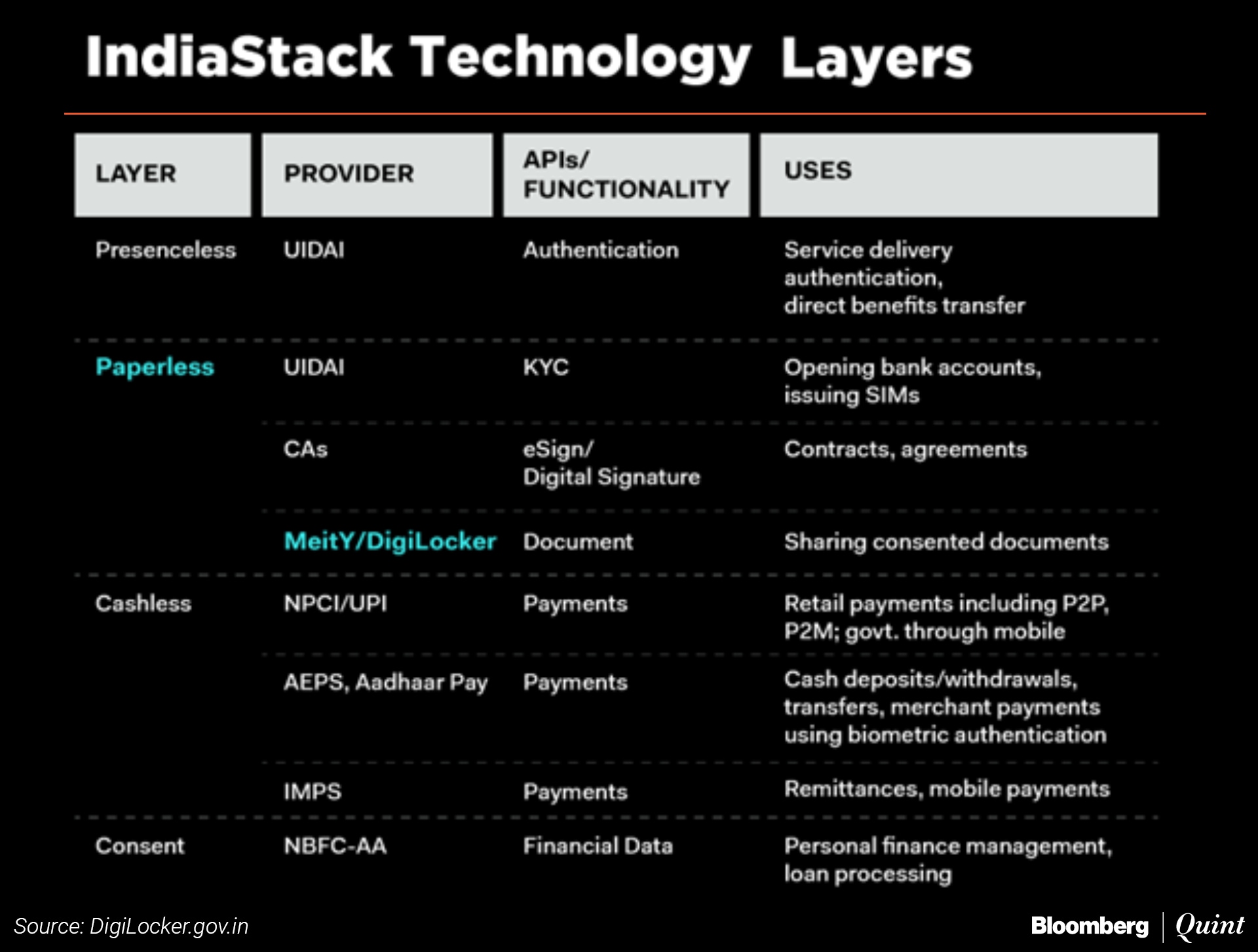
The DigiLocker allows users the convenience of free “anytime, anywhere” access to relevant documents that are legally accepted digital copies, can be e-signed (self-attested), and are easier to e-verify—this makes DigiLocker an impressive infrastructure to further build exciting digital products and services.
In Jan. 2020, the RBI's amendment to master direction on KYC amended the Prevention of Money Laundering (PML) rules and added that officially valid documents with a valid digital signature, including one issued to a citizen's digital locker account, is recognized as an equivalent e-document.
With that, RBI effectively approved the use of DigiLocker for the purpose of KYC. In combination with video-based customer identification, the acceptance and approval of DigiLocker for KYC will help FinTech companies and banks simplify and accelerate customer onboarding through better automation. When adopted well, it is expected to bring down their customer acquisition cost significantly, thereby putting them on a faster route to profitability.
The following is a list of the top five issuers and corresponding documents issued by them on DigiLocker, according to an earlier article ‘IndiaStack: Gateway to Opportunities in India by MEDICI.
- Aadhaar by the Unique Identification Authority of India (UIDAI)
- The Ministry of Road Transport & Highways: Registration of vehicles, driving license, fitness certificate, and vehicle tax receipt (vehicle tax receipt)
- The New India Assurance Co. Ltd.: Insurance policy certificate
- Income Tax Department: PAN verification record
- The Maharashtra State Board of Secondary & Higher Secondary Education: Education mark sheets and passing certificates
It is important to note that the level of awareness around DigiLocker is currently limited among Indians. These numbers are set to grow exponentially when more people become aware of the facility along with its uses. The financial services ecosystem now needs to play its part and diligently educate and encourage customers to leverage DigiLocker.
A Note Of Caution
That said, readers may be cautioned about security threats around storing documents digitally. One such vulnerability was recently exposed (and quickly fixed too) in its authentication which could have put millions of DigiLocker accounts at risk. Although the authorities have been quick to patch these vulnerabilities from time to time, readers are advised to follow all precautionary measures as directed by the Ministry of Electronics and Information Technology or MeitY to keep their accounts secure.
This article was originally published on MEDICI Global and has been republished as part of an editorial partnership.
The views expressed here are those of the author and do not necessarily represent the views of BloombergQuint or its editorial team.

-
'Never Seen This Level Of Negativity': Sandeep Tandon Says The Next Rally May Be Closer Than You Think

Veteran investor Sandeep Tandon says foreign selling is easing, large-caps are due a comeback and mid-caps are crowded, while he turns positive on gold, power and pharma this Diwali.
-
Indians Stay With Family, Not In Hotels | The Reason Why
India still lacks enough clean, reliable and affordable hotels for budget-conscious travellers.
-
The Economic Imperative: Analysing The Material Driving Force Behind India-Canada Strategic Reset
This economic complementarity is further reinforced by deep institutional investment ties and talent mobility, which form the bedrock of the bilateral framework.
-
Medicine Pricing: Where Must Profit Stop?
India must confront excessive margins, hidden incentives and regulatory gaps that threaten the integrity of medicine.
-
Why Amazon And Flipkart Are Struggling To Beat Meesho In India's Smaller Cities
With 274 million users and lowest-cost logistics, Meesho is defending its value commerce crown against giants like Amazon and Flipkart.
-
High US Salaries, No Green Card Certainty: The Financial Calculation Facing Indian H-1B Families
The suspension of PERM processing at eight technology employers does not cancel existing H-1B visas. What it does is force a question many Indian families have been avoiding: is the US salary worth tying your career and family plans to one employer?
-
Swiggy vs Eternal: Food Delivery's Two Rivals Are No Longer In The Same Race
Eternal is building a private AI assistant, dark.ai. Swiggy is still working out how to make Instamart pay, with an operating loss of Rs 895 crore in the July-September quarter while Blinkit stayed profitable.
-
Where You Live Shapes How You Get To Work | The Reason Why
Two-wheelers are the most popular way to get to work in India, accounting for nearly 43% of workplace commutes.
-
Unhedged Position: Can India See An Indonesia-Style Time Correction?
The Nifty is trading below levels it first clocked in 2024. Is there, then, as I have suggested in the headline, potential that the current time correction drags on painfully for the next three-five, even ten years?
-
Navigating Friction And Energy Realities: An Analysis Of Marco Rubio's October Visit To India
Occurring at a critical juncture marked by stalled trade negotiations and escalating geopolitical pressures over global energy supplies, the visit offers a profound window into modern US-India relations.










