India To Reopen In Phases; Containment Zones To Remain On Lockdown To Curb Covid-19 Spread
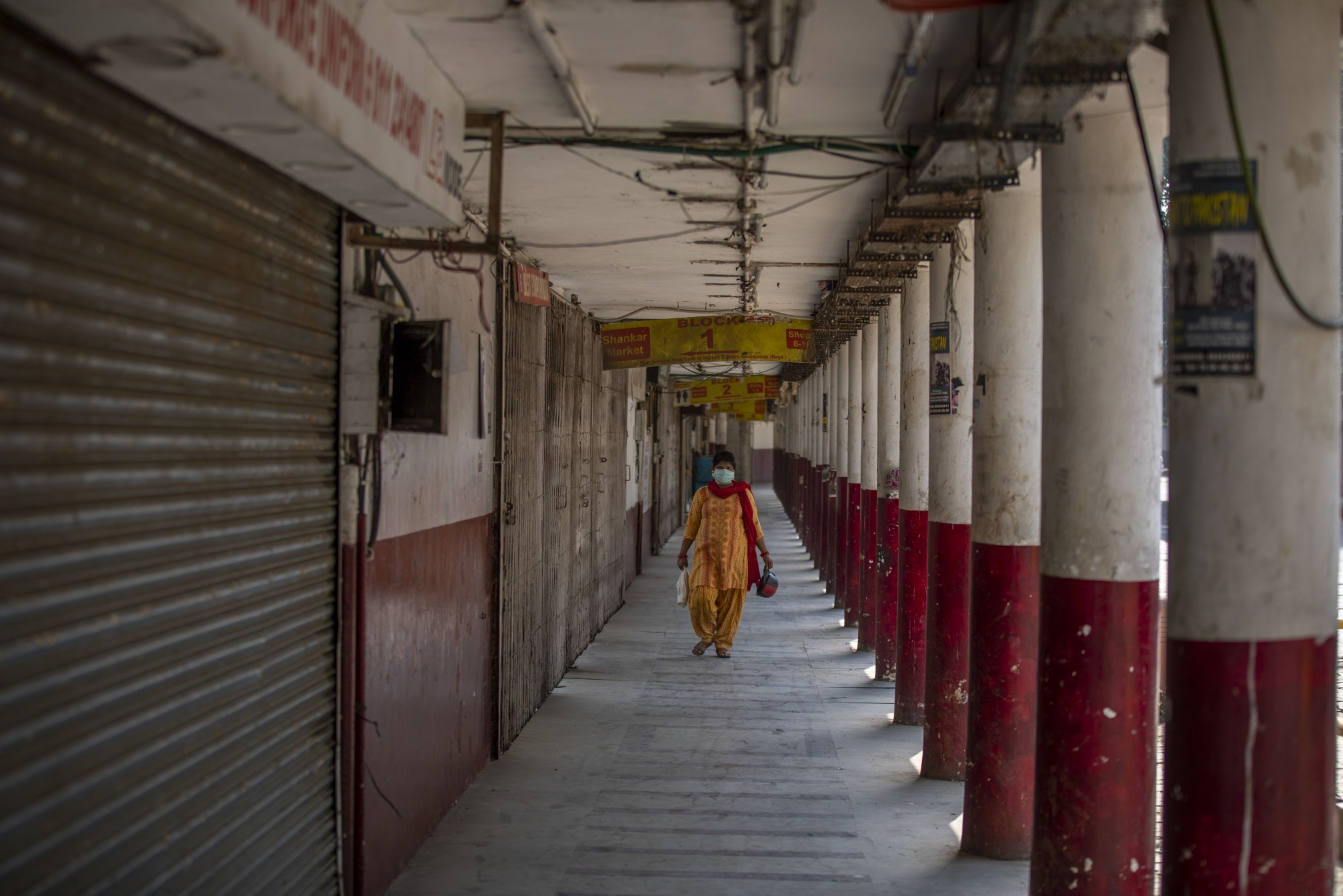
The Ministry of Home Affairs today announced that activities in all areas apart from containment zones would be allowed to resume in phases starting June 8. This brings to an end the over two-month nationwide lockdown to combat the spread of Covid-19.
In containment zones, which are areas where infections are concentrated, the lockdown has been extended till June 30, according to a statement issued by the Home Ministry.
The phased restart of activities will begin with shopping malls, places of worship, hotels, restaurants and other hospitality services. This will take place after the Ministry of Health and Family Welfare issues standard operating procedures for the activities in consultation with the central ministries and other stakeholders.
In the second phase, schools, colleges, and other educational institutions will be allowed to open after consultations with states and union territories. The final decision on this phase will be taken in July and will be based on consultation with parents and other stakeholders.
Finally, in the third phase, international air travel, metro rail, cinema halls, gymnasiums, swimming pools, theatres, and bars will be allowed to operate. Additionally, social functions, political events, sports, and other activities that involve large gatherings of people will be allowed. However, the dates for this phase will be determined based on an ongoing assessment of the Covid-19 pandemic.

Lockdown Continues In Containment Zones
Severe restrictions are set to continue in containment zones till June 30, with only essential services allowed. The Home Ministry, in its order, said that containment zones will be demarcated by district authorities after taking into consideration of existing guidelines.
Strict perimeter control will be ensured in these zones and no movement of people in or out will be allowed, except for medical emergencies and for maintaining supply of essential goods and services.
Further, the Home Ministry has said there will be intensive contact tracing when infections are reported, along with house-to-house surveillance and other clinical interventions.
States and union territories will be allowed to identify buffer zones outside containment zones, where new cases are more likely to occur, and restrictions can be prescribed accordingly, according to the ministry's statement. Also, based on their assessment of the situation, states can prohibit certain activities outside the containment zones, or impose restrictions as they see fit.
Other relaxations include
- Movement of individuals to now remain strictly prohibited between 9 p.m. to 5 a.m. throughout the country, except for essential activities.
- No restriction on inter-state and intra-state movement of persons or goods. No separate permission/approval/e-permit required.
However, the Home Ministry added that, if a state or union territory proposes to regulate movement of persons, it will have to publicise this in advance.
Directives for Covid-19 management include:
- Individuals must maintain a distance of 6 feet in public places. Shops not allowed more than 5 persons at a time.
- Wearing face masks compulsory in public places, workplaces and during transport.
- Consumption of liquor, paan, tobacco, etc prohibited in public places
- Spitting in public places punishable with fine as prescribed by State/UT local authorities.
- Large gathering and congregations continue to remain prohibited. In marriage related gathering, the number of guests cannot exceed more than 50. In funeral or last rites, not more than 20 persons are allowed.

-
Signature Play: The Classic Cocktail Is Dead. Or Is It?

Classic cocktails are disappearing from India's cocktail menus. But they're still being ordered, taught to bartenders and borrowed from. So, who's really having the last drink?
-
A New Samvat Wishlist: Inclusive Prosperity And Human Development
India has strengthened its economic foundations through infrastructure, digital access and enterprise. Its next growth chapter must deepen productivity, create better livelihoods and widen participation in prosperity.
-
Love, Sex Aur Dhokha: The Audacious Plot To Spy On Jensen Huang
A Taipei dinner, a Singapore chip buyer and a suspected Chinese asset: inside the alleged spy operation that got close to NVIDIA's Jensen Huang.
-
Ten Things I Learnt This Samvat
Patience can be a trap. Cheap stocks can stay cheap. Leverage can wipe you out. What did Samvat 2082 teach us? Niraj Shah writes on 10 lessons from the year gone by.
-
Talking Points This Week: Tech Nerves, FII Buying, And A Faraway Banking Shock
The global markets are not shining this Diwali. The exception in the large markets is, India.
-
Midterm Rally Lasted A Day. The Hard Reality Of A Divided US May Last Two Years | Opinion
Between a contested AI boom, a debt ceiling that arrives in 2027 and a president with every incentive to act alone, the next two years may prove more volatile than the first day's rally suggests.
-
Blue Wave Will Derail the AI Trade but Won't Dismantle the AI Era | Unhedged Position
The Democrats' sweep of the US Congress will see politics collide with economic forces both over the long and short term.
-
It's Time To Take The GST Council's Bet On Trust Global
Payment records can prove India's services exports, and clear, proportionate rules can bring foreign digital sellers into the tax net.
-
Opinion | India at 38: From Innovation Overperformer to Innovation Powerhouse
India now has 453 VC-backed deep science startups, 18 of them late-stage, after 117 percent growth since 2020. Laurus Labs, at USD 9.3 billion, is the most valuable deep science company in any middle-income economy outside China.









