Low Retail Participation Hurting CDSL, Pain Likely To Continue In March Quarter
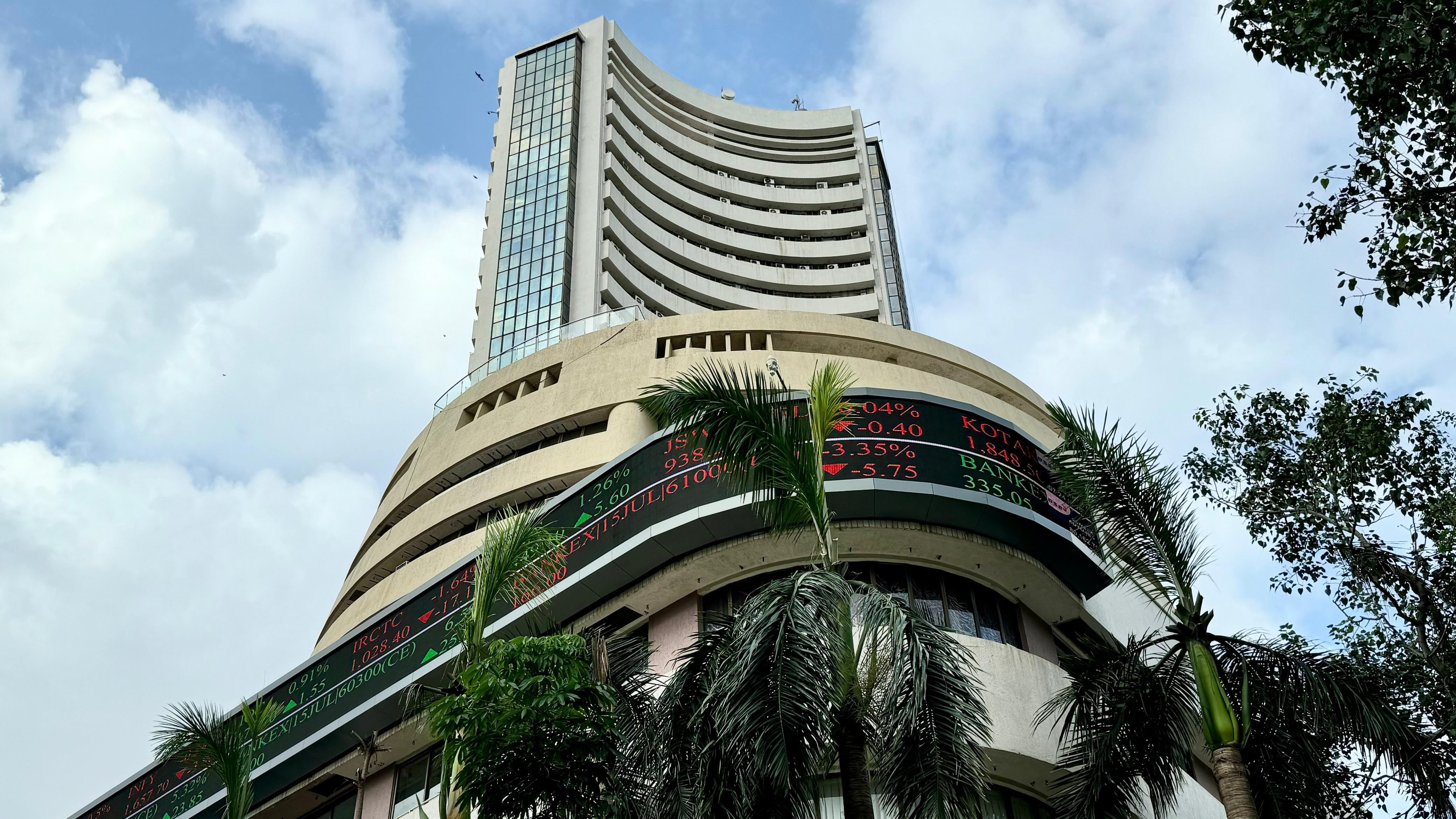
Low retail participation in the country's secondary market is hurting Central Depository Services (India) Ltd. as transaction-making ability becomes increasingly difficult in what the depository called a bear market.
"Obviously the transaction-making ability in a bull market is far higher as compared to our bear market," Nehal Vora, the company's managing director and chief executive officer told analysts in a post-earnings call.
He said that sluggish sentiments contributed by geopolitical issues, overall slowdown in the world, and regulatory changes in the derivatives market have led to a muted retail participation, whether it be transaction or delivery volumes. This has directly affected the market-based delivery transaction income for CDSL.
Continued lower retail activity is likely to hurt CDSL's transaction charges in Q4, according to a note by Nuvama Institutional Equities.
CDSL has reduced transaction charges to Rs 3.5 per debit from a price range of Rs 3.75–5 per debit. This, according to Nuvama, led income from transactions charges to drop 29% sequentially to Rs 59 crore.
Upon being asked why CDSL happens to be the only market entity reducing their transaction charges while every other participant is increasing charges, Vora said that this process is not affecting their profit.
"I think it's economies of scale, which is coming into play. The intent is that only 7% of the Indian population today is in the securities market. How do I make that 20%, 25%, 30%?"
He further said, "We would like more and more people to join the fold of the depository system. And hence, this is kind of an added advantage, which we are working on."
For depositories a prior approval from SEBI is needed to reduce any transaction charges. A similar increase, if any, in the future would also need to go through the same process, Vora said.
As on Dec. 31, promoter BSE holds a 15% stake in CDSL.
Parallels To Mumbai Coastal Road
Vora said that the Depository is prepared for any volume spurt, and is focusing on building a value proposition for its customers.
"It's like your Bandra-Worli Sea Link road or the Coastal Road in Mumbai, which is built with a certain amount of capacity of traffic," he said. "The traffic may not be as much immediately, but it creates that sense of value proposition, which, therefore, creates more demand. And that's where has been our philosophy."
While CDSL saw an increase in employee cost, it was questioned whether this could be reduced in the future due to increased information technology costs. The company said it will continue to invest in employees, considering them as infrastructure costs.
The company said it was focused on creating the right technology products and platforms in three areas: hardware, applications, and security, and network.
Shares of CDSL were down 4.21% on Tuesday after falling over 10% as of 1:08 p.m. on Monday. Shares of BSE Ltd. too, were trading 2.78% lower. The benchmark NSE Nifty index was up 0.97%.

-
Foreign Investors Own Half Of HDFC Bank and ICICI Bank. An LTCG Cut Could Matter Most Here

Foreign portfolio investors have US$115 billion parked in HDFC Bank, ICICI Bank. If the government cuts long-term capital gains tax, Jefferies says returning foreign money could land here first.
-
'Never Seen This Level Of Negativity': Sandeep Tandon Says The Next Rally May Be Closer Than You Think
Veteran investor Sandeep Tandon says foreign selling is easing, large-caps are due a comeback and mid-caps are crowded, while he turns positive on gold, power and pharma this Diwali.
-
Indians Stay With Family, Not In Hotels | The Reason Why
India still lacks enough clean, reliable and affordable hotels for budget-conscious travellers.
-
The Economic Imperative: Analysing The Material Driving Force Behind India-Canada Strategic Reset
This economic complementarity is further reinforced by deep institutional investment ties and talent mobility, which form the bedrock of the bilateral framework.
-
Medicine Pricing: Where Must Profit Stop?
India must confront excessive margins, hidden incentives and regulatory gaps that threaten the integrity of medicine.
-
Why Amazon And Flipkart Are Struggling To Beat Meesho In India's Smaller Cities
With 274 million users and lowest-cost logistics, Meesho is defending its value commerce crown against giants like Amazon and Flipkart.
-
High US Salaries, No Green Card Certainty: The Financial Calculation Facing Indian H-1B Families
The suspension of PERM processing at eight technology employers does not cancel existing H-1B visas. What it does is force a question many Indian families have been avoiding: is the US salary worth tying your career and family plans to one employer?
-
Swiggy vs Eternal: Food Delivery's Two Rivals Are No Longer In The Same Race
Eternal is building a private AI assistant, dark.ai. Swiggy is still working out how to make Instamart pay, with an operating loss of Rs 895 crore in the July-September quarter while Blinkit stayed profitable.
-
Where You Live Shapes How You Get To Work | The Reason Why
Two-wheelers are the most popular way to get to work in India, accounting for nearly 43% of workplace commutes.
-
Unhedged Position: Can India See An Indonesia-Style Time Correction?
The Nifty is trading below levels it first clocked in 2024. Is there, then, as I have suggested in the headline, potential that the current time correction drags on painfully for the next three-five, even ten years?










