What Do Indian Voters Really Want?
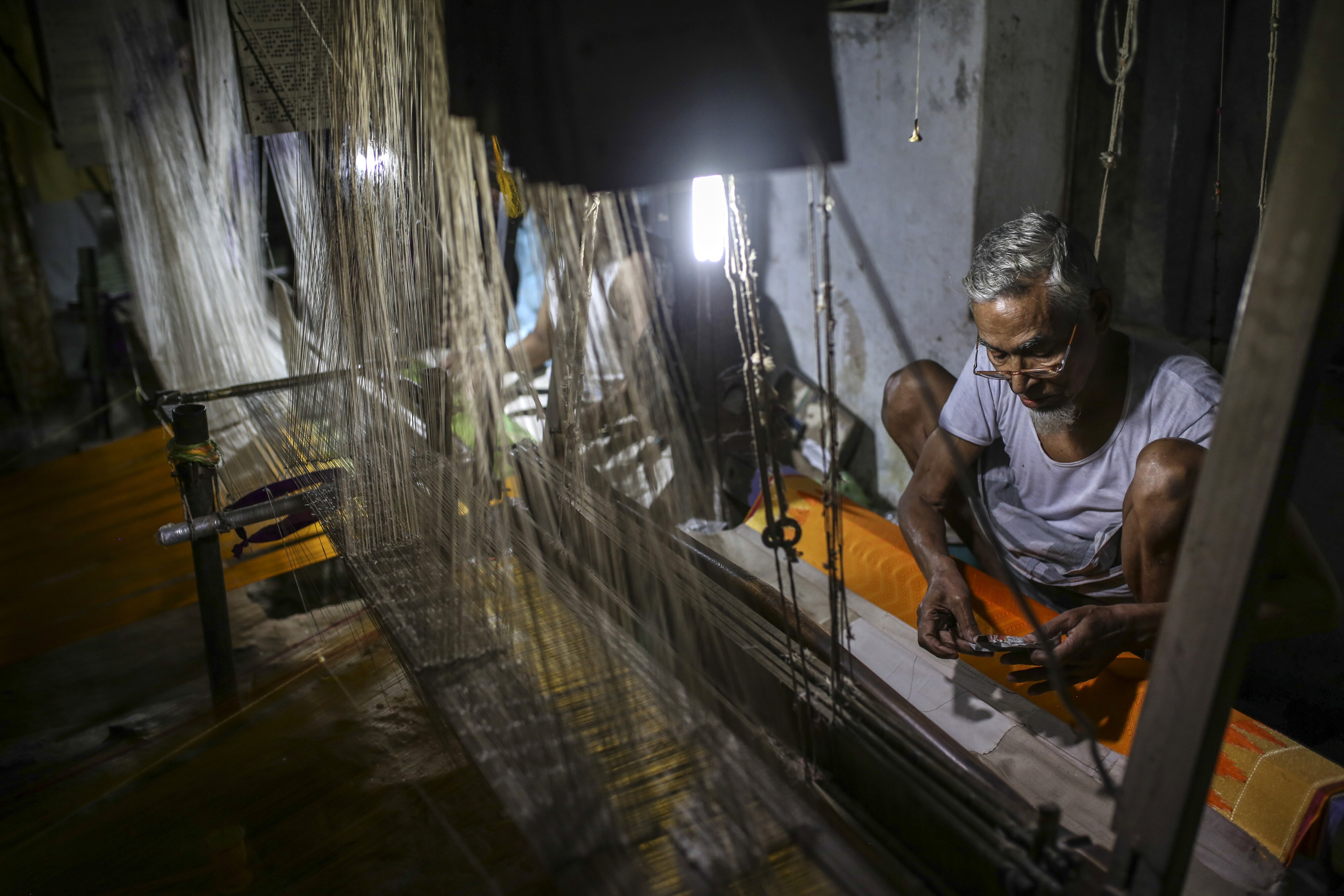
India's two largest political parties—Congress and Bharatiya Janata Party—are vying on income support schemes to woo voters in the upcoming general election. But a new survey suggests that there is only one thing most voters want: better jobs.
“Across all divides—gender, age, social categories, rural and urban, and wealth groups—Indian voters have rated better employment opportunities as their highest priority,” according to a report by the Association for Democratic Reforms that surveyed more than 2.73 lakh people across 534 Lok Sabha constituencies in 2018. “This is hardly surprising given the phase of jobless growth that India has been witnessing, under both UPA-II and NDA.”
Need for better jobs was a top priority for Indian voters for the second year running. Other governance issues that voters care most about were better healthcare, drinking water and roads.
Priority to jobs gained 57 percent more importance in 2018 compared to the previous years' survey result by ADR. Of India's eight most socio-economically backward states, Bihar, Chhattisgarh, Jharkhand, Madhya Pradesh, Rajasthan, Uttarakhand and Uttar Pradesh prioritised employment opportunities over other concerns.
Overall, individuals from the Scheduled Caste and Scheduled Tribes were most dissatisfied with the government's ability to provide better jobs.
The government fared “below average” in handling other issues, including better healthcare and drinking water, that were significant to the voters, the survey said.
The Comptroller and Auditor General, according to the report, said more than 163 million Indians do not have access to safe drinking water. The National Rural Drinking Water Programme, too, failed to achieve its targets despite spending 90 percent of the Rs 89,956-crore budgeted over five years to 2017, it said.
The survey also showed that the government fared “exceptionally low” in matters concerning corruption, food prices, job training, terrorism and a strong military.
While the Union Skills Development Ministry in February said it certified 6,12,000 candidates who had completed training under the government's flagship Pradhan Mantri Kaushal Vikas Yojana, the survey showed that the rural population is “most disappointed” with the training for jobs that they receive.
Voting Behaviour
Voters in India are more likely to be driven by who is the party's chief ministerial candidate, the report said. The party to which a candidate belongs to ranks second on the priority list, followed by the candidate's profile, it said.
While voters were aware that distribution of cash, liquor and gifts were illegal to sway votes, 41 percent voters accepted that it was one of the important factors influencing their behaviour.
Further, 98 percent voters said a candidate with a criminal record should not be in the Parliament or the State Assemblies. Last year, the central government informed the Supreme Court that 36 percent of the total 4,896 parliamentarians and State Assembly members were facing criminal trials. Only 35 percent Indians were aware that they can easily access criminal records of candidates, the report said.
According to the report, the governments in power at the centre and state/union territories neglected voters' priorities. “An important aspect of ushering in better governance is to carefully listen,” said Trilochan Sastry, founder-chairman of ADR. “...people's priorities need to be heard. It is not enough to leave policymaking and setting priorities to experts or to political parties in power.”

-
Indians Are Travelling, But Not Every Journey Is A Holiday | The Week In Whys

Pilgrims, patients and working women are the real travellers, and the system hasn't quite caught up with them.
-
Getting To Work Costs Women More | The Reason Why
It is not just about women paying more than men. It is about women paying much more in cities than in villages.
-
AI Bias In Investing Cannot Be Eliminated, But It Can Be Governed
Framing is a particularly important example as identical financial information presented in terms of gains rather than losses can lead an LLM to reach a different assessment.
-
Joining The Dots | Dark Skies, Steady Diya: Why Hope Holds This Diwali
With war, a weak rupee and foreign outflows weighing on sentiment, policymakers at the NDTV World Summit and market veterans at NDTV Profit Ignite: Diwali Edition offered the same advice: stay invested and filter out the noise.
-
The Curious Case of Equitas Small Finance Bank And A CEO Who Quit For Stock
PN Vasudevan believes persistent investor concerns over a perceived conflict of interest had become a governance overhang on Equitas Small Finance Bank's stock, even as the lender improved profitability and asset quality.
-
Talking Points This Week: AI Cash Burn, A Tiger Comeback And An India That Still Finds Its Own Path
India is not immune to higher oil or tighter global liquidity, yet its earnings base is broader, its domestic policy levers are still available.
-
Foreign Investors Own Half Of HDFC Bank and ICICI Bank. An LTCG Cut Could Matter Most Here
Foreign portfolio investors have US$115 billion parked in HDFC Bank, ICICI Bank. If the government cuts long-term capital gains tax, Jefferies says returning foreign money could land here first.
-
'Never Seen This Level Of Negativity': Sandeep Tandon Says The Next Rally May Be Closer Than You Think
Veteran investor Sandeep Tandon says foreign selling is easing, large-caps are due a comeback and mid-caps are crowded, while he turns positive on gold, power and pharma this Diwali.
-
Indians Stay With Family, Not In Hotels | The Reason Why
India still lacks enough clean, reliable and affordable hotels for budget-conscious travellers.
-
The Economic Imperative: Analysing The Material Driving Force Behind India-Canada Strategic Reset
This economic complementarity is further reinforced by deep institutional investment ties and talent mobility, which form the bedrock of the bilateral framework.










