DOJ Rejects Trump’s Immunity Argument For 2020 Election Actions
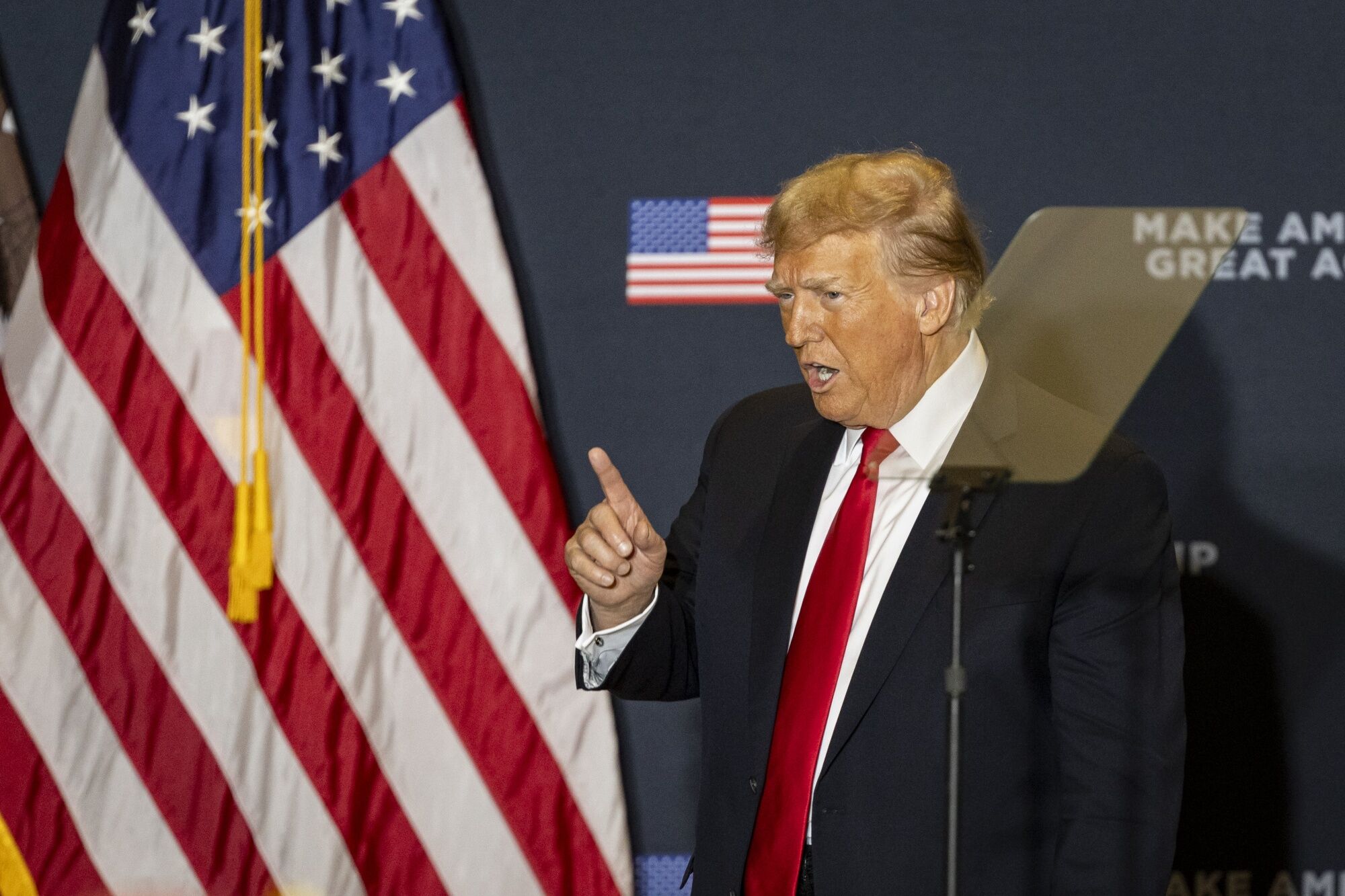
(Bloomberg) -- Former President Donald Trump isn't entitled to immunity when it comes to federal criminal charges alleging he conspired to illegally overturn the 2020 presidential election to remain in power, Special Counsel Jack Smith argued in a legal filing Saturday.
The Justice Department filing responds to one by Trump to the US Court of Appeals in Washington on Dec. 23, in which he claims immunity from prosecution because his actions before and during the Jan. 6, 2021 riot at the US Capitol were within the bounds of his official duties as president.

“The defendant lost the 2020 presidential election,” Smith wrote in an 82-page brief to the court, which is considering whether Trump can be prosecuted. “Separation-of-powers principles, constitutional text, history and precedent all make clear that a former President may be prosecuted for criminal acts he committed while in office — including, most critically here, illegal acts to remain in power despite losing an election.”
Both sides are jockeying for the upper hand after the appeals panel agreed to expedite consideration of the case and hear arguments on Jan. 9, potentially followed by a decision within days. The losing side is expected to appeal to the Supreme Court — which isn't required to take up the case.
Read more: Supreme Court Refuses to Fast-Track Trump Immunity Clash
Smith wants the matter resolved quickly in an effort to avoid delaying a criminal trial against Trump set to start on March 4. A federal district judge previously ruled that Trump does not have presidential immunity from prosecution. The trial judge overseeing the case has put it on pause until the immunity issue is resolved.

Smith methodically attacked Trump's arguments in the filing.
Presidents don't have immunity from criminal acts committed while they were in office, he argued, citing the pardon given to former President Richard Nixon.
“No historical materials support the defendant's broad immunity claim, and the post-Presidency pardon that President Nixon accepted reflects the consensus view that a former President is subject to prosecution after leaving office,” Smith wrote.
Even if the court were to find that presidents could be immune to criminal prosecution for official acts taken while in office, Trump acted beyond the bounds of his official duties, Smith added.
Trump “is alleged to have conspired with private individuals and government officials to use fraudulent means to thwart the transfer of power and remain in office,” Smith wrote. “Dismissal would be unwarranted because the indictment contains substantial allegations of a plot to overturn the election results that fall well outside the outer perimeter of official Presidential responsibilities.”
Trump also argued the charges against him should be dismissed because they amount to double jeopardy after he faced impeachment for his actions in the days after the 2020 election. Trump further said he can't be prosecuted because he wasn't convicted by the Senate during his impeachment trial.
Smith said both of those arguments fail, pointing out that the criminal charges against Trump are different from the offenses brought against him during impeachment.
“The Impeachment Judgment Clause limits congressional sanctions for impeachment to removal and disqualification from office; it does not create a double-jeopardy prohibition that protects an impeached but not convicted officer from criminal prosecution,” Smith wrote.
“Nor is the prosecution here barred by double-jeopardy principles,” the special counsel said. “Because the only remedies available in the impeachment proceedings were removal and disqualification, the defendant was never previously placed in jeopardy. But even if he were, the indictment charges different offenses than were at issue in his impeachment.”
More stories like this are available on bloomberg.com
©2024 Bloomberg L.P.

-
Getting To Work Costs Women More | The Reason Why

It is not just about women paying more than men. It is about women paying much more in cities than in villages.
-
AI Bias In Investing Cannot Be Eliminated, But It Can Be Governed
Framing is a particularly important example as identical financial information presented in terms of gains rather than losses can lead an LLM to reach a different assessment.
-
Joining The Dots | Dark Skies, Steady Diya: Why Hope Holds This Diwali
With war, a weak rupee and foreign outflows weighing on sentiment, policymakers at the NDTV World Summit and market veterans at NDTV Profit Ignite: Diwali Edition offered the same advice: stay invested and filter out the noise.
-
The Curious Case of Equitas Small Finance Bank And A CEO Who Quit For Stock
PN Vasudevan believes persistent investor concerns over a perceived conflict of interest had become a governance overhang on Equitas Small Finance Bank's stock, even as the lender improved profitability and asset quality.
-
Talking Points This Week: AI Cash Burn, A Tiger Comeback And An India That Still Finds Its Own Path
India is not immune to higher oil or tighter global liquidity, yet its earnings base is broader, its domestic policy levers are still available.
-
Foreign Investors Own Half Of HDFC Bank and ICICI Bank. An LTCG Cut Could Matter Most Here
Foreign portfolio investors have US$115 billion parked in HDFC Bank, ICICI Bank. If the government cuts long-term capital gains tax, Jefferies says returning foreign money could land here first.
-
'Never Seen This Level Of Negativity': Sandeep Tandon Says The Next Rally May Be Closer Than You Think
Veteran investor Sandeep Tandon says foreign selling is easing, large-caps are due a comeback and mid-caps are crowded, while he turns positive on gold, power and pharma this Diwali.
-
Indians Stay With Family, Not In Hotels | The Reason Why
India still lacks enough clean, reliable and affordable hotels for budget-conscious travellers.
-
The Economic Imperative: Analysing The Material Driving Force Behind India-Canada Strategic Reset
This economic complementarity is further reinforced by deep institutional investment ties and talent mobility, which form the bedrock of the bilateral framework.
-
Medicine Pricing: Where Must Profit Stop?
India must confront excessive margins, hidden incentives and regulatory gaps that threaten the integrity of medicine.










