Explainer: What It Means for Sri Lanka After Rajapaksa Flees During Protests, Crisis
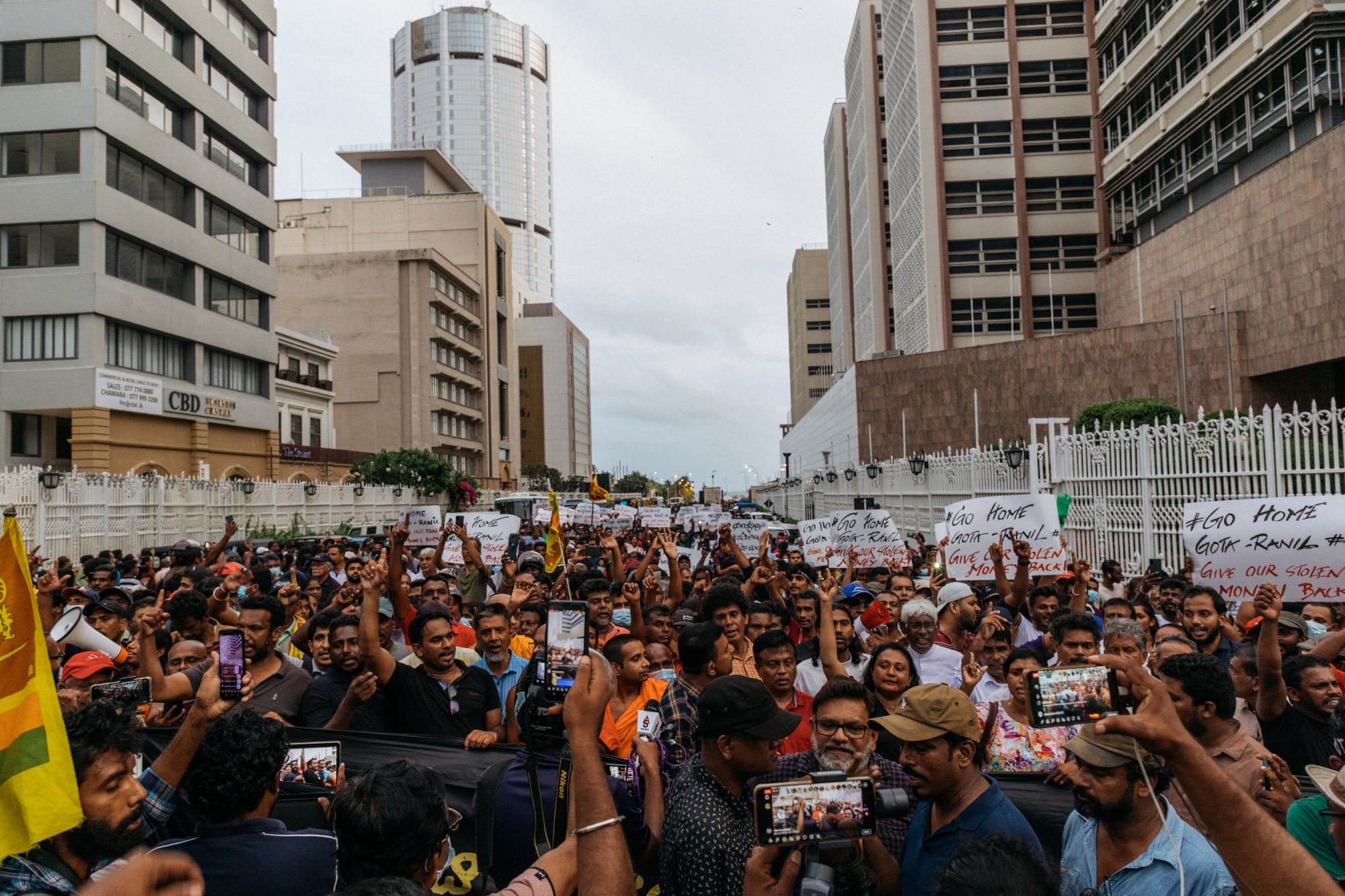
(Bloomberg) -- Sri Lanka's president has fled the country and the prime minister has promised to resign in the face of massive protests and the economy's collapse. To get up to speed, here's a short FAQ with the key facts:
Why and how did President Gotabaya Rajapaksa flee?
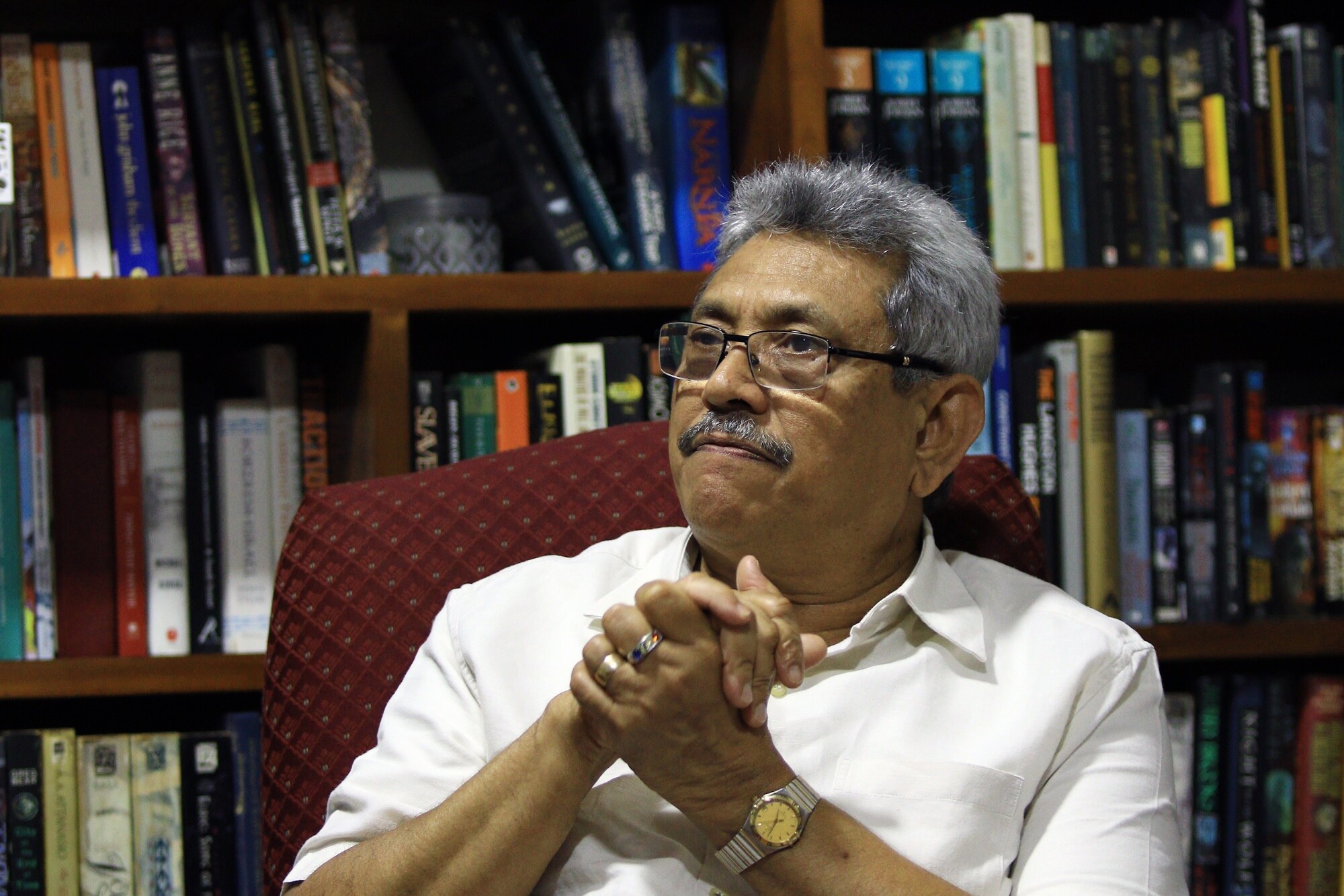
He hasn't given an official statement since news of his departure to the Maldives. The Sri Lankan Air Force said it provided a military plane for the 73-year-old, his wife and two bodyguards. Rajapaksa had promised to resign on Wednesday, after protesters stormed his official residence. People with knowledge of the matter told Bloomberg News that they haven't received his resignation yet.
What about the rest of his family? Who's left behind?
Apart from Gotabaya Rajapaksa, the BBC reported that his younger brother Basil, a former finance minister, also fled. The whereabouts of two older brothers -- Mahinda, who was president from 2005 to 2015 and also served as prime minister, and Chamal -- are unknown. Mahinda's son, 36-year-old Namal Rajapaksa, told Bloomberg News in a recent interview that his side of the family would “never leave the country” no matter how bad things got.
Why are Sri Lankans angry?
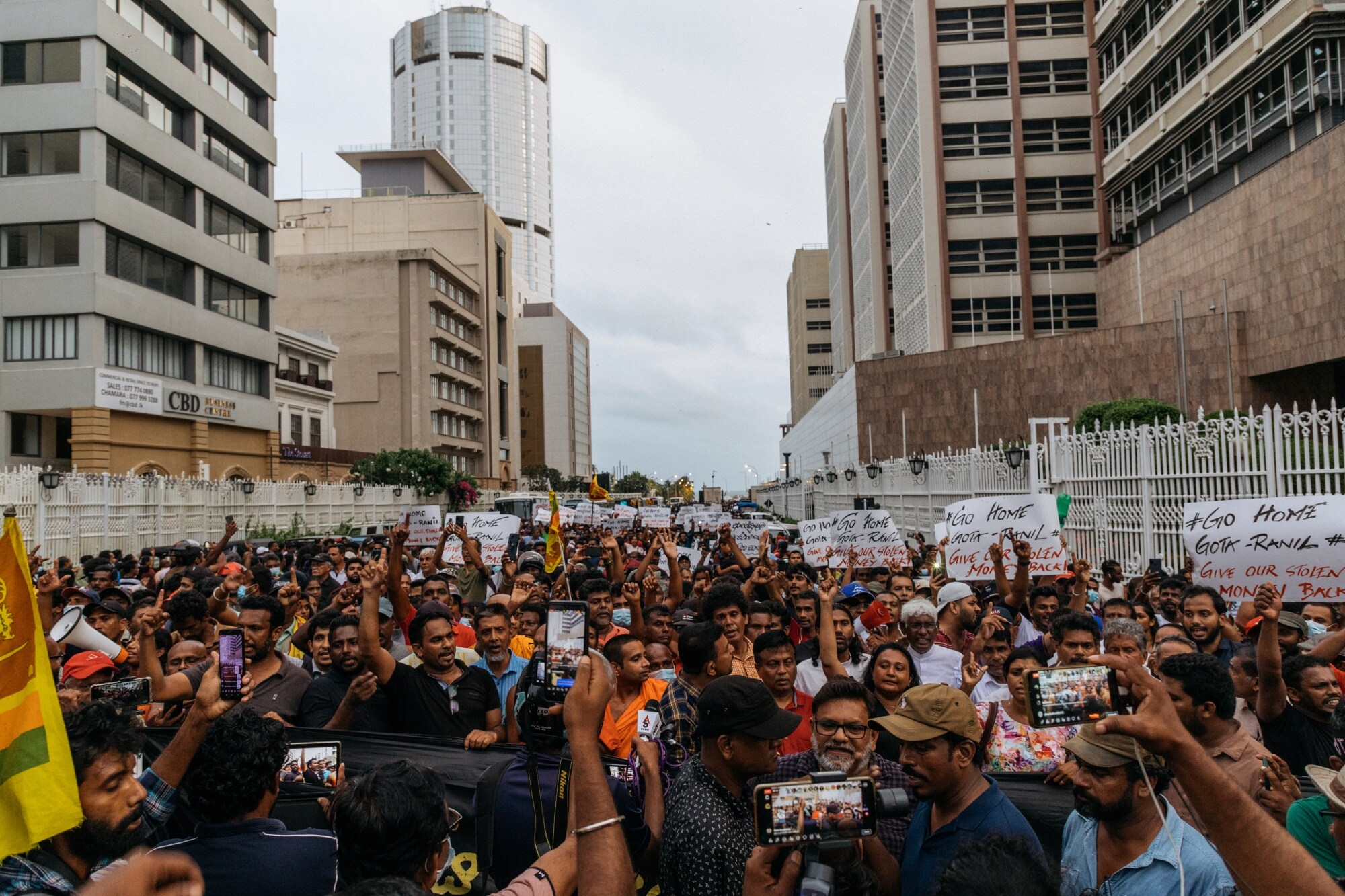
Anger against the government has been building for months, as the bankrupt nation's 21 million people have turned to lining up for hours for increasingly expensive fuel and vital daily necessities, and are living with long power outages. Shortages of items like flour and milk powder are widespread and food inflation hovers at around 80%.
What are the causes of the crisis?
The country went bankrupt as a result of the Rajapaksa administration's economic policies, which include imposing tax cuts that reduced government revenues just months before the pandemic wreaked havoc on the economy. Coupled with heavy debt and rising commodity prices, Sri Lanka fell deeper into crisis. With meager foreign exchange reserves, it struggled to pay for food and fuel. Officials raised rates, devalued the currency, restricted some imports and sought bailout talks with the International Monetary Fund.
But can't Sri Lanka grow its own food?
The shortage of food can be traced back to a government ban on synthetic fertilizer in 2021, which meant farmers were unable to access organic fertilizer and abandoned their fields.
For more on Sri Lanka Crisis, click here for our TOPLive blog.
More stories like this are available on bloomberg.com
©2022 Bloomberg L.P.

-
One Battle After Another: India's Corporate Dynasties Battle For Control

2026 could go down as Corporate India's year of succession wars, governance battles and family fault lines.
-
Rs 50-Lakh Gold In Bank Locker, Rs 3 Lakh Of Protection: The Gap Most Families Don't Know About
The RBI ties a bank's liability to the annual locker rent and families who want to insure their jewellery face a separate question about how to prove what was inside.
-
The More Food Turns Into Fuel, The Harder It Is To Read Agricultural Markets | The Reason Why
A policy designed to reduce dependence on imported fuel can create new pressures elsewhere in the food economy.
-
Your iPhone Costs 12 Grams Of Gold, A Car About 100. What Does Your Life Weigh?
Measured in rupees, almost everything looks more expensive than it did a generation ago. Measured in grams of gold, a lot of it has become cheaper.
-
Gold Is Rs 22,000 Cheaper Than A Month Ago. Should You Buy Amid The Wedding Season?
Gold's potential slide to $3,500 could save around Rs 4,700 per 10 grams, but a soft inflation print could just as easily push prices back up. One way to split the risk is to buy in parts, some now and the rest after the Fed's Dec. 9 decision.
-
AI Agents Are Gaining Power. Who Governs Them?
Artificial intelligence agents promise to transform productivity by moving machines from assisting decisions to executing them. But as organisations delegate greater authority to these AI-agents, they must first establish who controls that authority and who remains accountable when things go wrong.
-
Why Swapping Your Old Gold Can Trigger A Rs 5 Lakh Tax Bill, And How You Can Avoid It Legally
Swapping old gold for new is taxed as a sale and a fresh purchase. Getting your own gold remade can cut most of that bill, though it has its own costs.
-
The AI Trade is Done. The Real Opportunity for Investors Starts in 2027 | Unhedged Position
As pureplay AI stocks plunge and circular, capex-led financing unwinds, 2027 is set to be a year of reckoning for AI companies. Yet the bust clears the way for a better opportunity for investors in 2027 -- shifting the spotlight from AI builders to the companies using AI.
-
Leadership As Mission: Why The Age Of AI Demands More Human Leadership
Debjani Ghosh examines how AI is changing leadership, arguing that its success must be measured by its impact on people and the accountability of those guiding its use.
-
We May Need Another Tukaram Mundhe To Fight Air Pollution | The Reason Why
Developers may install basic measures such as sprinklers and green nets, resume work, and continue violating rules when this equipment stops working.









