Private Club Discover Collection Eyes To Break Even In Three Years As Luxury Booms
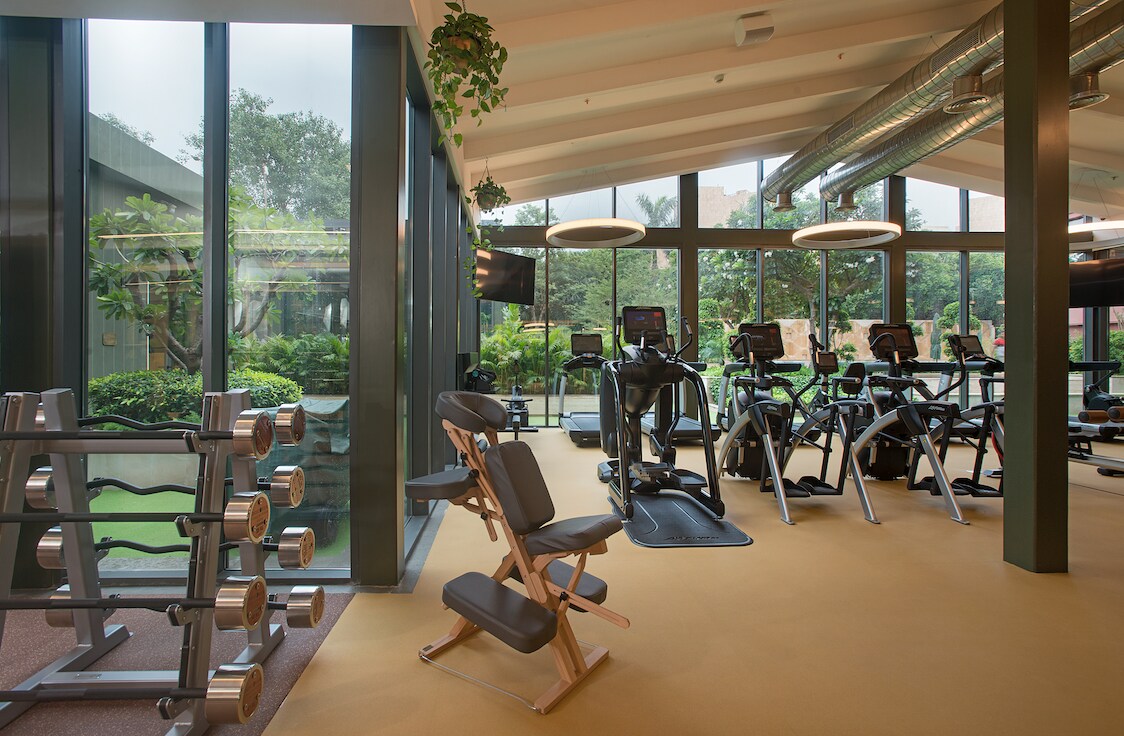
Members-only work and social lifestyle club Discover Collection is looking to break even in three years, buoyed by a surge in spending by the ultra-rich on health and wellness post Covid-19 rather than on material objects.
"The future of luxury is in wellness," said Meraj Khan, chairman and founder of Gravity Global Group, which owns the Discover Collection club. "We are not only seeing evidence of a very strong rebound post-pandemic, but the elites are taking the wellness industry to the next level," he added.
Owning the most expensive or the latest goods seems to have taken a back seat to looking good and feeling good, according to Khan. "Also, due to mental tiredness and stress caused by frantic lifestyles, consumers are willing to pay any premium on soothing and rejuvenating services like spas and indulging in experiences that are promoting their well-being," he said.
Getting an invite from the Discover Collection Club to become a member is as coveted as getting an invite to join the good old Taj Mahal Hotel's Chambers Club or The Belvedere at The Oberoi. It attracts everyone from Bollywood superstars and industrialists to CEOs and CXOs. Its members includes Salman Khan, Sara Ali Khan, and Tiger Shroff.
"We are now looking to onboard sportspersons and widen our member list as we target breaking even in three years' time," Khan said, without disclosing the names. It has been just five months since Discover Collection opened, and it currently has about a hundred members and 120 staff to take care of them. By the end of this year, it intends to have 550 members.
The concept of wellness as a luxury, according to Khan, is about more than just being fit or eating right. "Everybody, driven by millennials, is now seeking a more holistic approach to health and wellness. It is a lifestyle choice as well as a daily, active pursuit—one they are willing to invest in."
Moreover, the elite class is looking for exclusive spaces where they can network with like-minded people as well as hold meetings in privacy, said Khan. This has prompted the entry of global hospitality chains such as Marriott, Four Seasons, and St. Regis, all of whom are trying to woo the new generation of rich and famous with their versions of luxury clubs.
Khan describes the club as "an oasis in the middle of the city".
Located in the heart of Lutyens' Delhi, the club spans 50,000 sq. ft. and offers members everything from personalised spa and beauty treatments, a cutting-edge, fully equipped gym, aerial yoga amenities, a pool, to extensive facilities for cryotherapy, hyperbaric oxygen therapy, healing treatments, and more. The concept also includes an exclusive lounge, a tea salon, and a restaurant—The Glass House, helmed by Michelin-starred chefs. Customers can also visit the space to buy fitness equipment and workout gear. It also retails clothes and beauty products.
The cost of building the flagship Discover Collection Club has almost doubled to $12 million due to Covid-led inflation pressures, said Khan.
The glamourous and discreet private club has received over 1,800 applications so far since its November launch last year.
There are two main criteria for becoming a member of the club, said Khan. First, they must belong to Delhi's top 1-2% of wealth holders. Second, the participants must be able to afford a one-time membership fee of Rs 1 lakh along with Rs 6.5–12 lakh in annual fees.
"There is something common among high-net-worth individuals. The issues they face, the concerns they have, the risks they worry about, and their opportunities are just unique compared to someone of lesser wealth," he said.
"So, people shouldn't feel like they stand out ... this concept is like a third home that has everything to make them cozy, comfortable, and adjusted as per members' requirements. All their likes and dislikes are taken care of, an experience that one can't get in a restaurant or a general beauty parlour."
But how does Discover Collection make money? Khan said that the brand has six revenue models other than memberships. This includes services like a spa, a food and beverages point, and paid services like cryotherapy and nutritionist services. It also retails clothes and beauty products.
It is looking to expand the brand in Dubai and London in two years. In India, it is considering Mumbai, but space is a constraint, said Khan. "The concept is such that we would require a vast space and a lot of greenery, which is a challenge."

-
The Economic Imperative: Analysing The Material Driving Force Behind India-Canada Strategic Reset

This economic complementarity is further reinforced by deep institutional investment ties and talent mobility, which form the bedrock of the bilateral framework.
-
Medicine Pricing: Where Must Profit Stop?
India must confront excessive margins, hidden incentives and regulatory gaps that threaten the integrity of medicine.
-
Why Amazon And Flipkart Are Struggling To Beat Meesho In India's Smaller Cities
With 274 million users and lowest-cost logistics, Meesho is defending its value commerce crown against giants like Amazon and Flipkart.
-
High US Salaries, No Green Card Certainty: The Financial Calculation Facing Indian H-1B Families
The suspension of PERM processing at eight technology employers does not cancel existing H-1B visas. What it does is force a question many Indian families have been avoiding: is the US salary worth tying your career and family plans to one employer?
-
Swiggy vs Eternal: Food Delivery's Two Rivals Are No Longer In The Same Race
Eternal is building a private AI assistant, dark.ai. Swiggy is still working out how to make Instamart pay, with an operating loss of Rs 895 crore in the July-September quarter while Blinkit stayed profitable.
-
Where You Live Shapes How You Get To Work | The Reason Why
Two-wheelers are the most popular way to get to work in India, accounting for nearly 43% of workplace commutes.
-
Unhedged Position: Can India See An Indonesia-Style Time Correction?
The Nifty is trading below levels it first clocked in 2024. Is there, then, as I have suggested in the headline, potential that the current time correction drags on painfully for the next three-five, even ten years?
-
Navigating Friction And Energy Realities: An Analysis Of Marco Rubio's October Visit To India
Occurring at a critical juncture marked by stalled trade negotiations and escalating geopolitical pressures over global energy supplies, the visit offers a profound window into modern US-India relations.
-
India Exports Capital. Why Not Export Trusteeship?
The big question, then, is whether India can build an institution that global borrowers, investors, banks, and lawyers can trust, even without an Indian connection.
-
France's Economy & Politics Are In Crisis | The Reason Why
Let's look at how the French economy and politics evolved under Nicolas Sarkozy, Franois Hollande and Emmanuel Macron.










