RBI’s Alert List Sets Clock Ticking For Unauthorised Forex Platforms
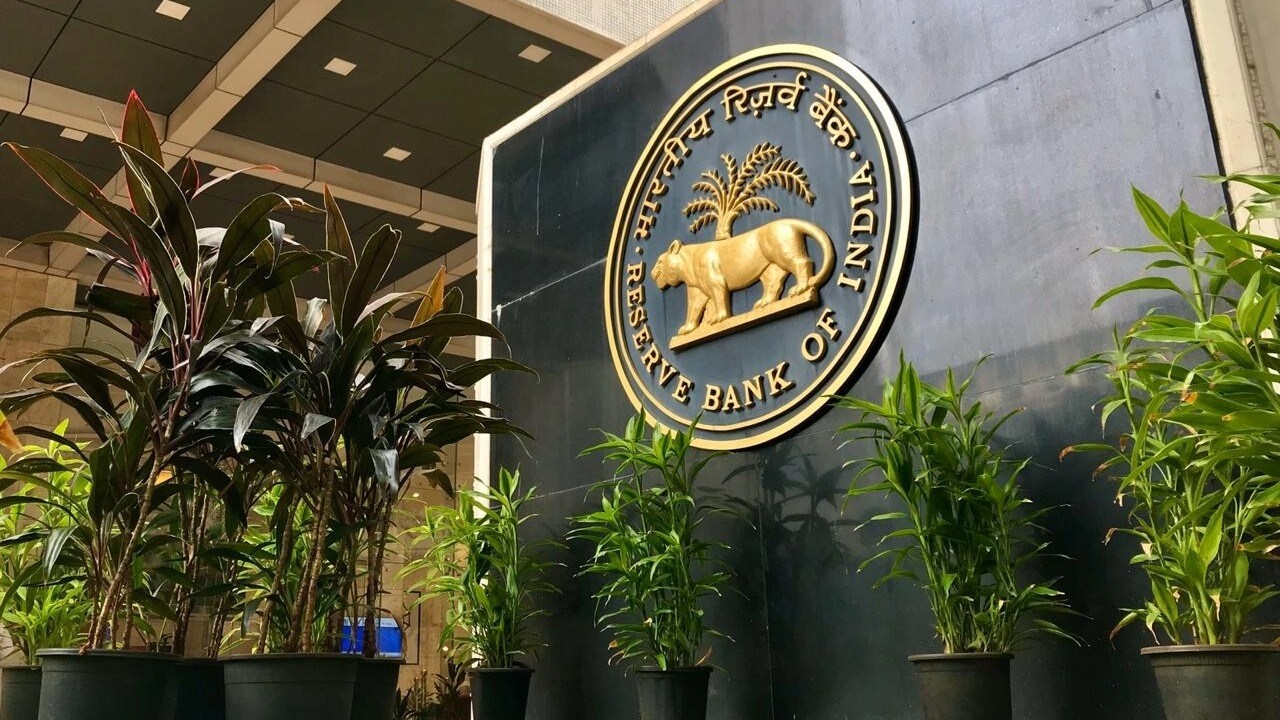
On Feb. 10, the Reserve Bank of India issued a press release with the innocuous headline, ‘RBI issues an updated Alert List', which increased the names of platforms offering foreign exchange trading in violation of Indian norms to 48.
The original list of 34 names was issued on Sep. 7, 2022.
A scan throws up names such as OctaFX, which has sponsored Delhi Capitals, an Indian Premier League men's team in 2022.
Some of the other names on RBI's alert list for entities that are not allowed to offer foreign exchange transactions include Alpari, Binomo, Forex.com, FXstreet, OlympTrade and others. It is not uncommon to see advertisement banners by these entities on Indian websites, offering attractive returns on trades in foreign exchange and other asset classes, including cryptocurrencies.
Why is this significant? Why has the RBI or the government not outright banned these entities yet? Is there a systemic risk to foreign exchange markets or legitimate trade from such platforms?
The Background
The genesis of RBI's action stems from an internal report that was submitted within the central bank in November 2021. The inter-departmental group, which was created in July 2021, had been tasked with studying ‘Foreign Exchange Trade on Unauthorised Trading Platforms'.
The RBI group's scrutiny showed the proliferation of such unauthorised platforms on the internet, including on app stores, allowing easy access to trade in forex and other assets, despite not having a licence to do so. In some cases, it was noted that the platforms provided leverage to prospective traders, combined with bonus and rewards to lure them to invest in such assets.
The rise in overall digital transactions in the economy over the last few years, and the sharp jump in online investments since Covid-19 pandemic seems to have also contributed to the proliferation of such platforms that promise big returns.
The panel noted how these platforms provide ease of access to investors through their website, mobile applications, advertisements across media and social media, and even sponsoring mainstream events such as IPL. It was also found that some of these platforms were providing half-information or misinformation on being authorised to provide such trades and, at the same time, providing demos to customers that made such trading appear similar to casino games or lotteries with guaranteed high returns. In some cases, the platforms claim to be regulated by offshore regulators, as a means to showcase their legitimacy.
Some platforms offer bonus for signing up for trading, followed by leverage of as high as 1:500 times on trades.
Such platforms have also proved to be adept at creating local bank accounts for banking and Unified Payment Interface transactions or use of global wallets or even accepting payments in crypto assets. By doing so, they have effectively subverted RBI efforts to prevent use of Indian debit and credit cards for foreign exchange trades.
With such flashy advertisements and sponsorships, customers are unaware that they are trading with unauthorised platforms that are violating Indian laws on foreign exchange management, capital account norms, liberalised remittance scheme, and norms on offering electronic trades.
This means that the Indian customer runs the risk of losing money with no recourse to regulatory support, if these unauthorised platforms shut down or down keep their promises on returns. Worse, this can leave the customer open to being scrutinised, taxed or even investigated for transactions that fall outside Indian regulations.
Also, RBI has repeatedly issued clarifications on such unauthorised trading platforms, along with a list of authorised players, who are licensed to provide such trading activity. The customers may not be in a position to then use ignorance of norms as a tenable defence in court, if they end up being investigated.
What Next?
The next step could well see the RBI move beyond the advisory and licensing stage to working with the government on preventing access to such platforms. The recent digital loan application provider incident, where the government blocked some platforms, could well become the template in this case.
In the loan application provider case, there were third-party applications that were working with regulated entities that also got banned by the government. This was a case of some entities not being appropriately tagged by the regulated entity. However, in the foreign exchange trading case, the RBI's publicly available list of 48 works almost like a perfect ready reckoner for the websites and mobile applications—the government can ask internet service providers and platforms offered by Google, Apple, Microsoft, Facebook, and Twitter to block access.
This will initiate a visible action against these unauthorised forex platforms, and if they are keen to continue, they will seek licences and get regulated. Blocking access will also work to deter customers and cause them to actually look at more credible platforms to meet genuine foreign exchange requirements or trade opportunities, rather than fall prey to such platforms promising quick returns.
From a regulatory and government perspective, this may seem like a small niche segment, but there are broader ramifications of such platforms being allowed to continue to operate outside the Indian financial system.
Foreign exchange trade is a restricted activity and Indian rupee is not a fully capital account convertible currency, so trades provided by platforms that are housed outside the regulatory purview or even by offshore platforms are a risk to legitimate currency trades in the country. While it is a small section now, we have seen with crypto assets how easy digital access can attract investors, even if there are clear advisories issued against the legitimacy of these trades. Unlike crypto, which is in a legal grey area, the law and rules on foreign exchange trading and platforms are clear in black and white.
Also, the fact that many of these platforms have mushroomed recently and are offering discounts and bonuses to attract traders, including permitting use of crypto assets for payments, is a red flag that cannot be ignored. It is likely to attract less aware investors and heightens the risk of losses, and leaves them at the risk of legal action for indulging in such trades.
Unlike crypto or digital loan applications, which have a wider customer impact, the RBI has taken a more cautious approach to unauthorised foreign exchange platforms, but sooner or later, the action is set to become more direct.
It wouldn't be a big surprise if access to some of these unauthorised platforms, websites and applications are soon blocked by the appropriate authorities in the interest of the customer and the Indian financial system.
T Bijoy Idicheriah is a senior financial journalist, who has been writing on the world of banking and central banking for 17 years.
The views expressed here are those of the author, and do not necessarily represent the views of BQ Prime or its editorial team.

-
Indians Are Travelling, But Not Every Journey Is A Holiday | The Week In Whys

Pilgrims, patients and working women are the real travellers, and the system hasn't quite caught up with them.
-
Getting To Work Costs Women More | The Reason Why
It is not just about women paying more than men. It is about women paying much more in cities than in villages.
-
AI Bias In Investing Cannot Be Eliminated, But It Can Be Governed
Framing is a particularly important example as identical financial information presented in terms of gains rather than losses can lead an LLM to reach a different assessment.
-
Joining The Dots | Dark Skies, Steady Diya: Why Hope Holds This Diwali
With war, a weak rupee and foreign outflows weighing on sentiment, policymakers at the NDTV World Summit and market veterans at NDTV Profit Ignite: Diwali Edition offered the same advice: stay invested and filter out the noise.
-
The Curious Case of Equitas Small Finance Bank And A CEO Who Quit For Stock
PN Vasudevan believes persistent investor concerns over a perceived conflict of interest had become a governance overhang on Equitas Small Finance Bank's stock, even as the lender improved profitability and asset quality.
-
Talking Points This Week: AI Cash Burn, A Tiger Comeback And An India That Still Finds Its Own Path
India is not immune to higher oil or tighter global liquidity, yet its earnings base is broader, its domestic policy levers are still available.
-
Foreign Investors Own Half Of HDFC Bank and ICICI Bank. An LTCG Cut Could Matter Most Here
Foreign portfolio investors have US$115 billion parked in HDFC Bank, ICICI Bank. If the government cuts long-term capital gains tax, Jefferies says returning foreign money could land here first.
-
'Never Seen This Level Of Negativity': Sandeep Tandon Says The Next Rally May Be Closer Than You Think
Veteran investor Sandeep Tandon says foreign selling is easing, large-caps are due a comeback and mid-caps are crowded, while he turns positive on gold, power and pharma this Diwali.
-
Indians Stay With Family, Not In Hotels | The Reason Why
India still lacks enough clean, reliable and affordable hotels for budget-conscious travellers.
-
The Economic Imperative: Analysing The Material Driving Force Behind India-Canada Strategic Reset
This economic complementarity is further reinforced by deep institutional investment ties and talent mobility, which form the bedrock of the bilateral framework.