Can Crypto Bros Save Luxury In 2025?

(Bloomberg Opinion) --New York is obsessed with Louis Vuitton.
LVMH Moet Hennessy Louis Vuitton SE's biggest brand is refurbishing its flagship on the corner of East 57th Street and Fifth Avenue in Manhattan.
It has covered the construction with a 230-foot tall installation depicting six stacked monogrammed trunks. Towering above nearby landmarks, it has become a surprise tourist attraction and TikTok sensation.
There's a reason why LVMH, the world's biggest luxury group, has spent some of its considerable resources on the display. And it's not just to go viral.
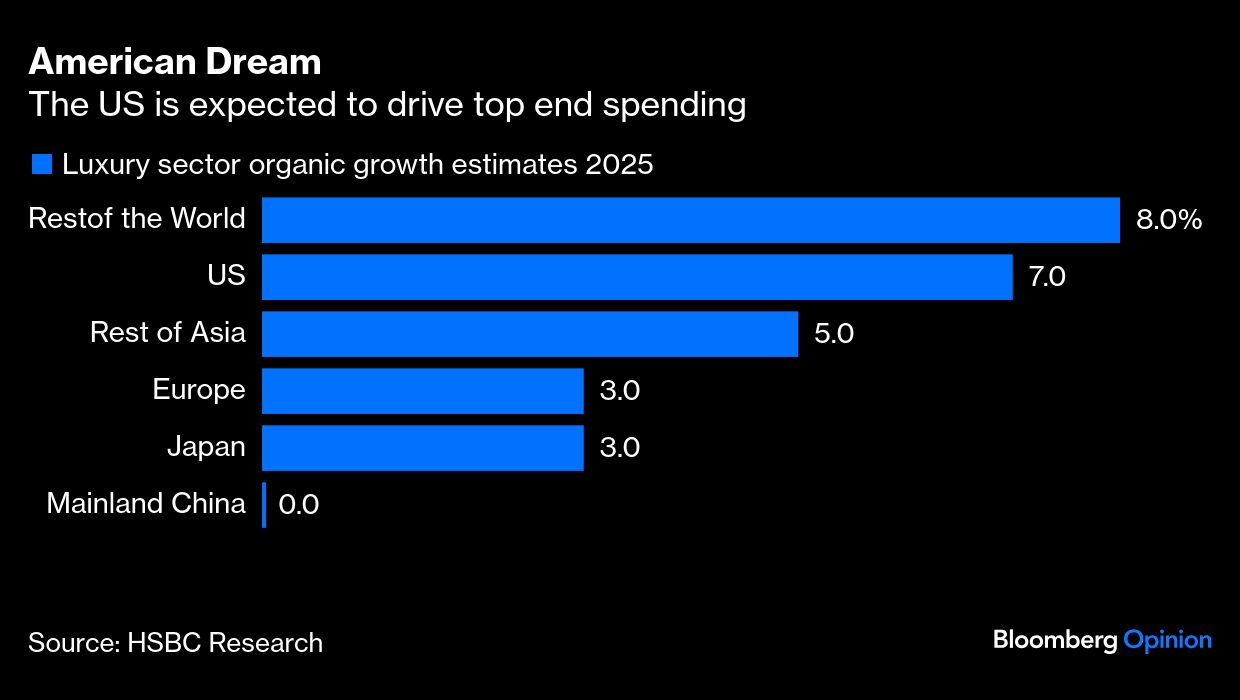
With Chinese demand constrained by a deep property slump and South Korea embroiled in political drama, luxury brands are looking to the US once more. With election uncertainty out of the way, stock markets soaring and Bitcoin topping $100,000, there's a good chance Americans pick up the bling baton. After all, crypto bros saved the sector in 2021, when China was struggling with Covid lockdowns and Xi Jinping's “common prosperity” agenda.
US luxury demand is usually correlated with stock market performance. With the melt-up in the S&P 500 Index, aside from a dip in August, this should have propelled US top end spending higher.
While there was some recovery, US luxury shoppers may have held back ahead of the November vote, particularly due to fears of a contested result. Analysts at Morgan Stanley also suggest much of the recent wealth creation has accrued to older generations, while the engine of recent industry growth has been millennials and Gen Z. No wonder 79-year-old Debbie Harry was the face of Gucci's advertising campaign for its new Blondie bag.
Since the election, some of these fears have been cast aside. While not all consumers will be happy, the prospects of tax cuts, particularly for wealthy Americans, should help them move on.
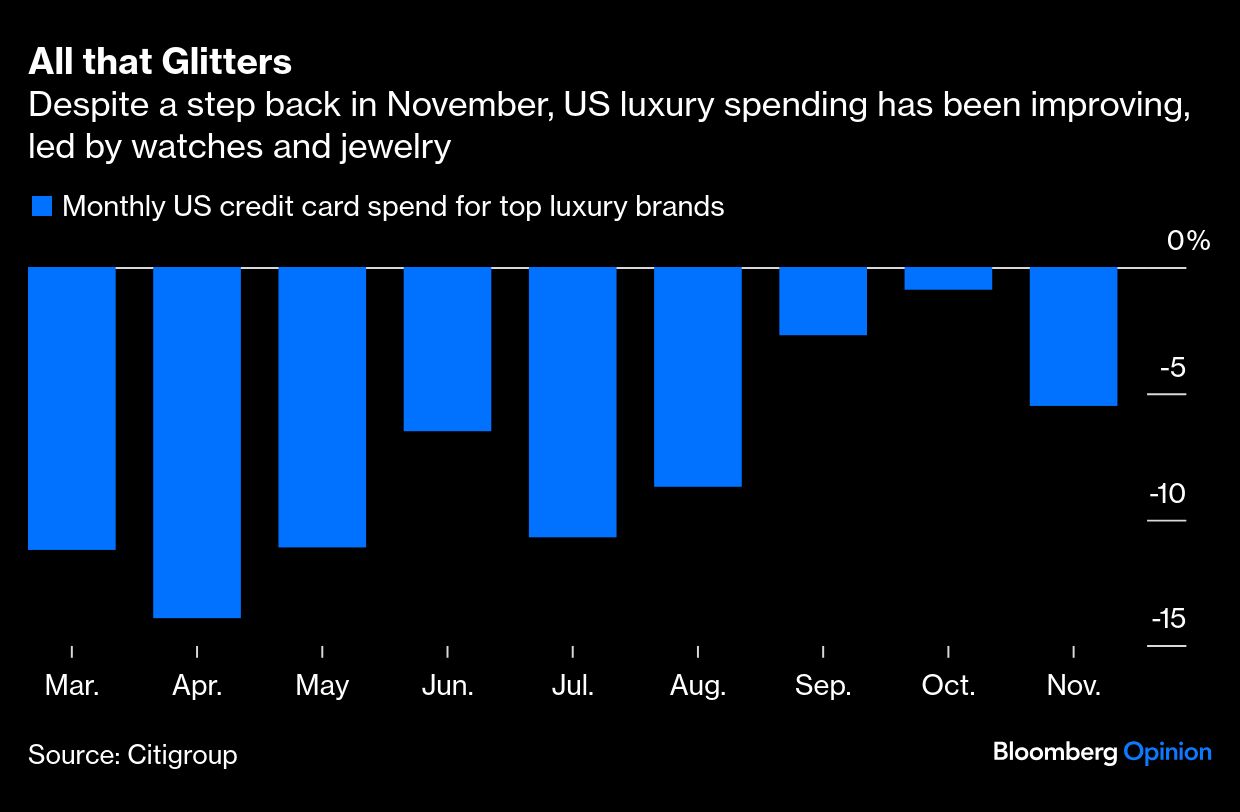
US sales at top luxury brands remained negative in November year-on-year, deteriorating after an acceleration in September and October, according to Citigroup's credit-card spending data. That's partly because things weren't so bad at that period in 2023. Warm weather this fall, hurting sales of top end clothing, may also have played a part. Spending on jewelry, however, shone, helping sales remain up on 2019.
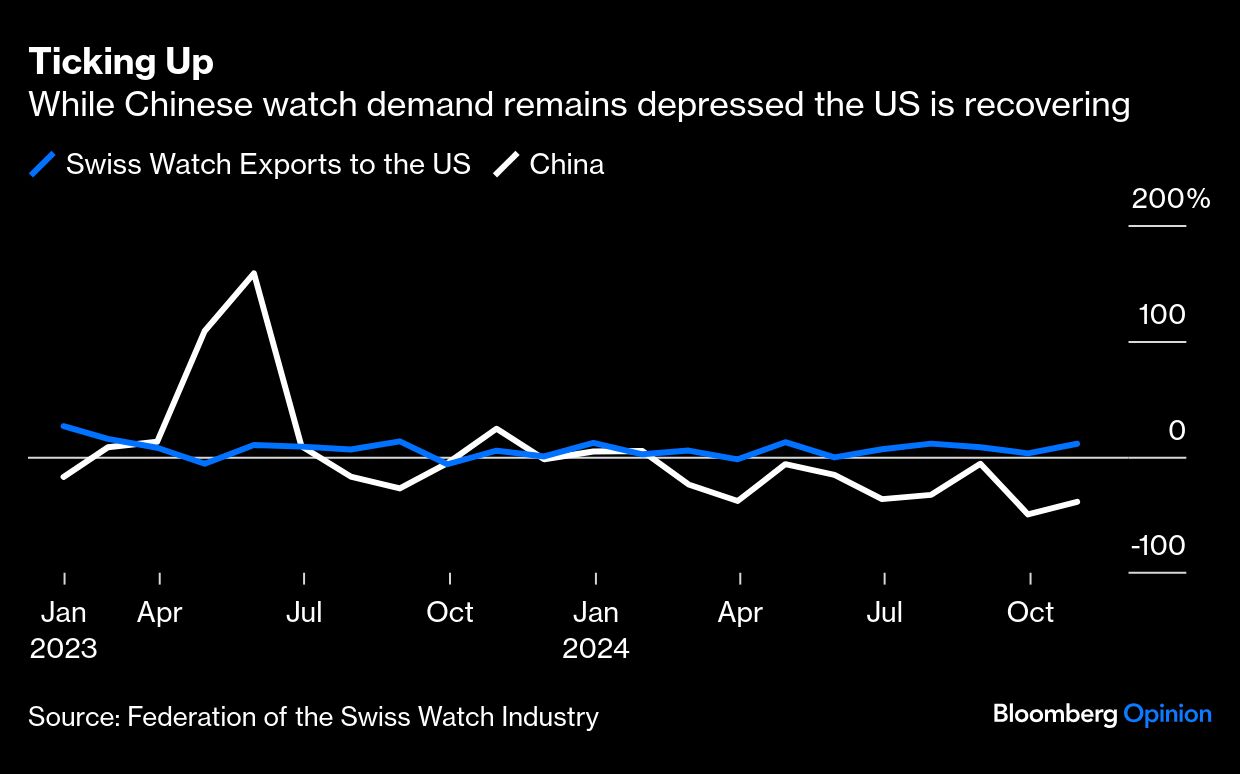
Watches are also showing signs of improvement. Watches of Switzerland Group Plc, which generated 45% of its sales in the US in its fiscal first half, said it's seen more collectors snapping up exclusive or limited-edition pieces since the election.
A few days after the vote, Cartier owner Cie Financiere Richemont SA said its watch business had recently returned to growth in the US, giving it confidence for the post-election period.
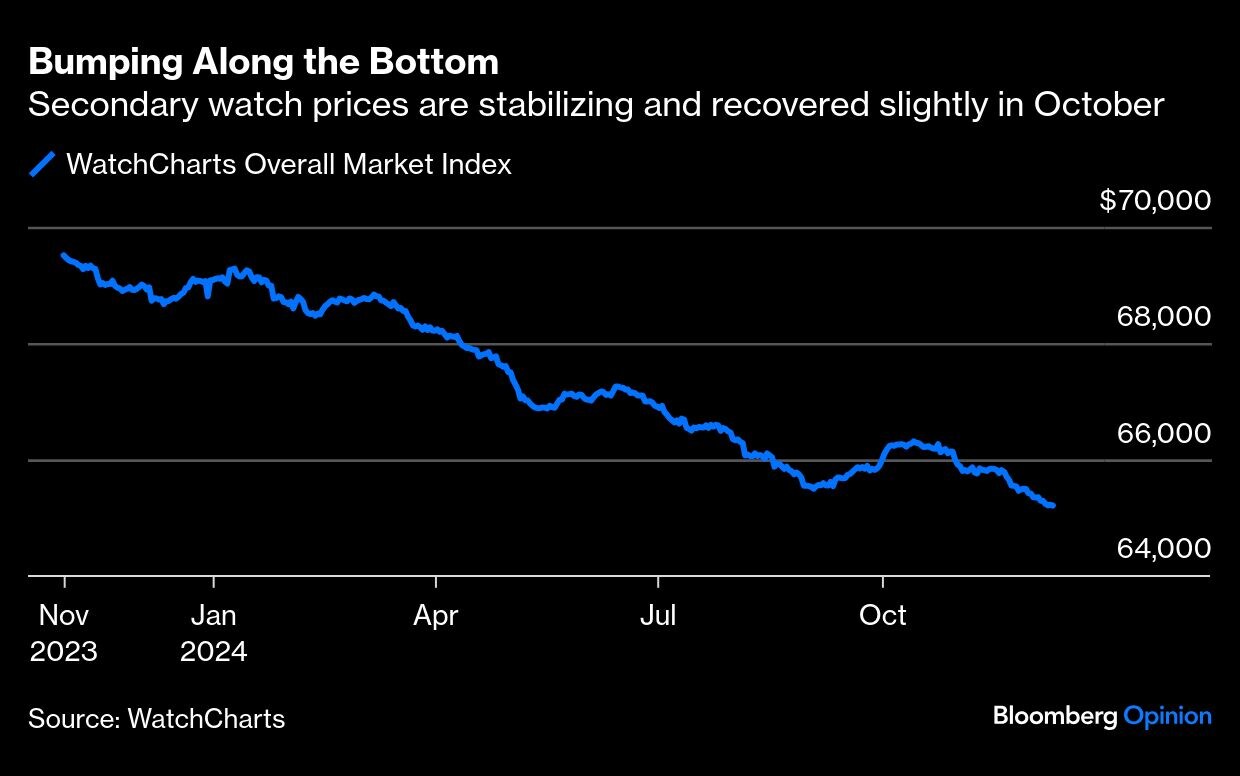
Here, Bitcoin's ascent could be particularly helpful. The cryptocurrency's 2021 rally presaged a sharp increase in second-hand watch prices.
It may take time for the crypto gains to filter into the market. But already there are signs of stability. Research platform WatchCharts' overall market index is down just 0.7% over the past three months after a recovery in October.
But luxury brands will be hoping that any Bitcoin bounce is broader than watches, and also lifts the younger, simply comfortable consumers, many of whom have been priced out of the market. If so, European names will be well placed to capitalize.
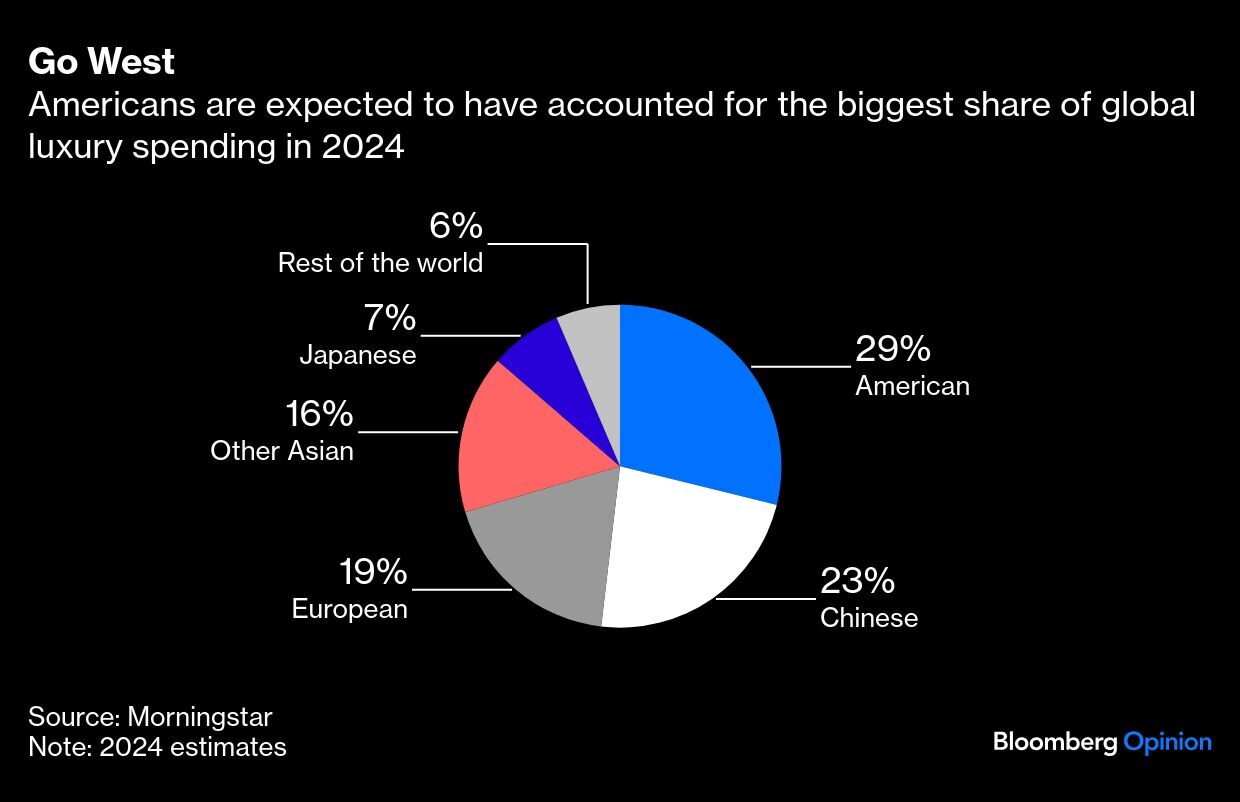
Although Americans are estimated to have accounted for 29% of global sales in 2024, ahead of Chinese consumers, according to Morningstar, the US luxury market still has room to grow.
Over the past few years, European brands have expanded beyond traditional enclaves, such as New York, Los Angeles, San Francisco and Chicago. Now locations including Austin, Atlanta, Charlotte and Scottsdale have emerged as luxury destinations. Add in reasonable rents, and the strong dollar, which translates sales into more euros, and returns on these investments look promising.
Once seen as elitist, labels are now part of popular culture, particularly Louis Vuitton, thanks to its appointment first of the late Virgil Abloh and then musician Pharrell Williams as creative director of menswear.
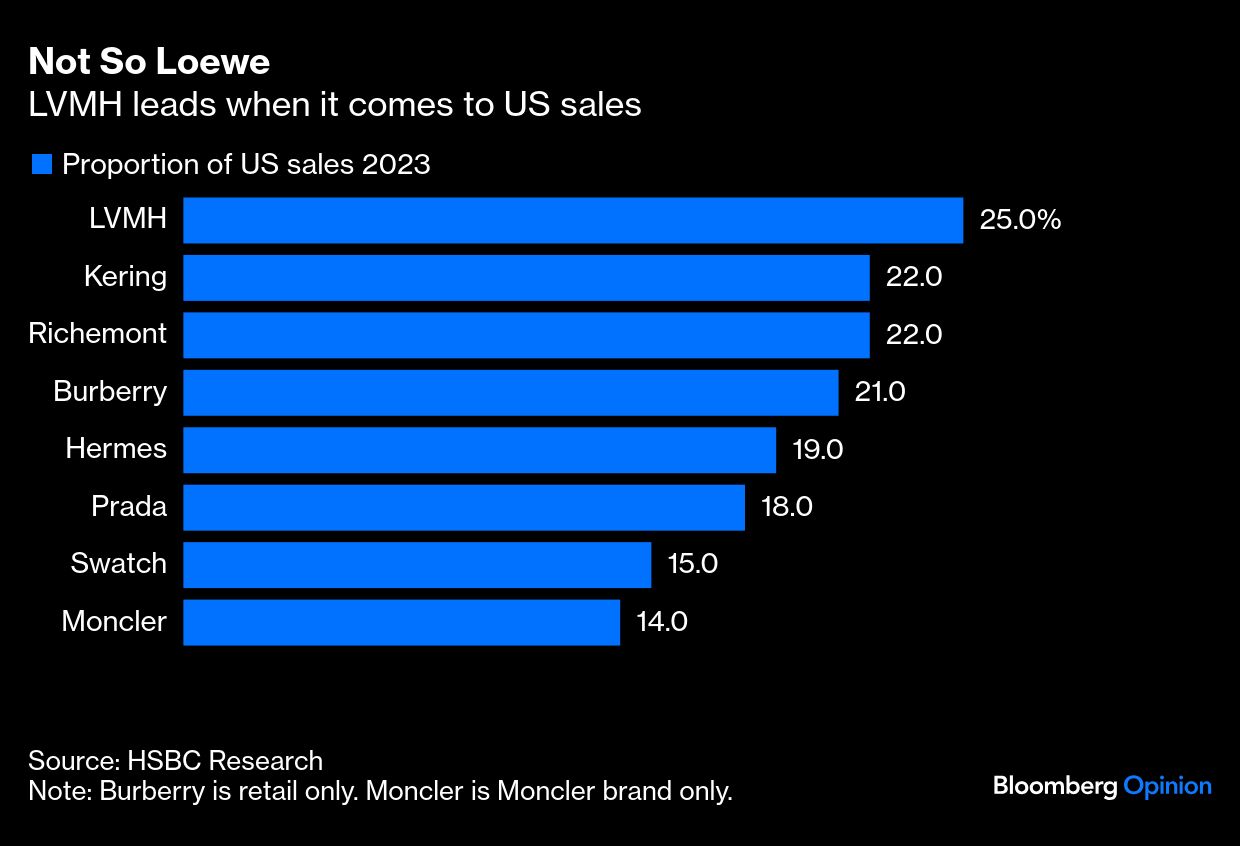
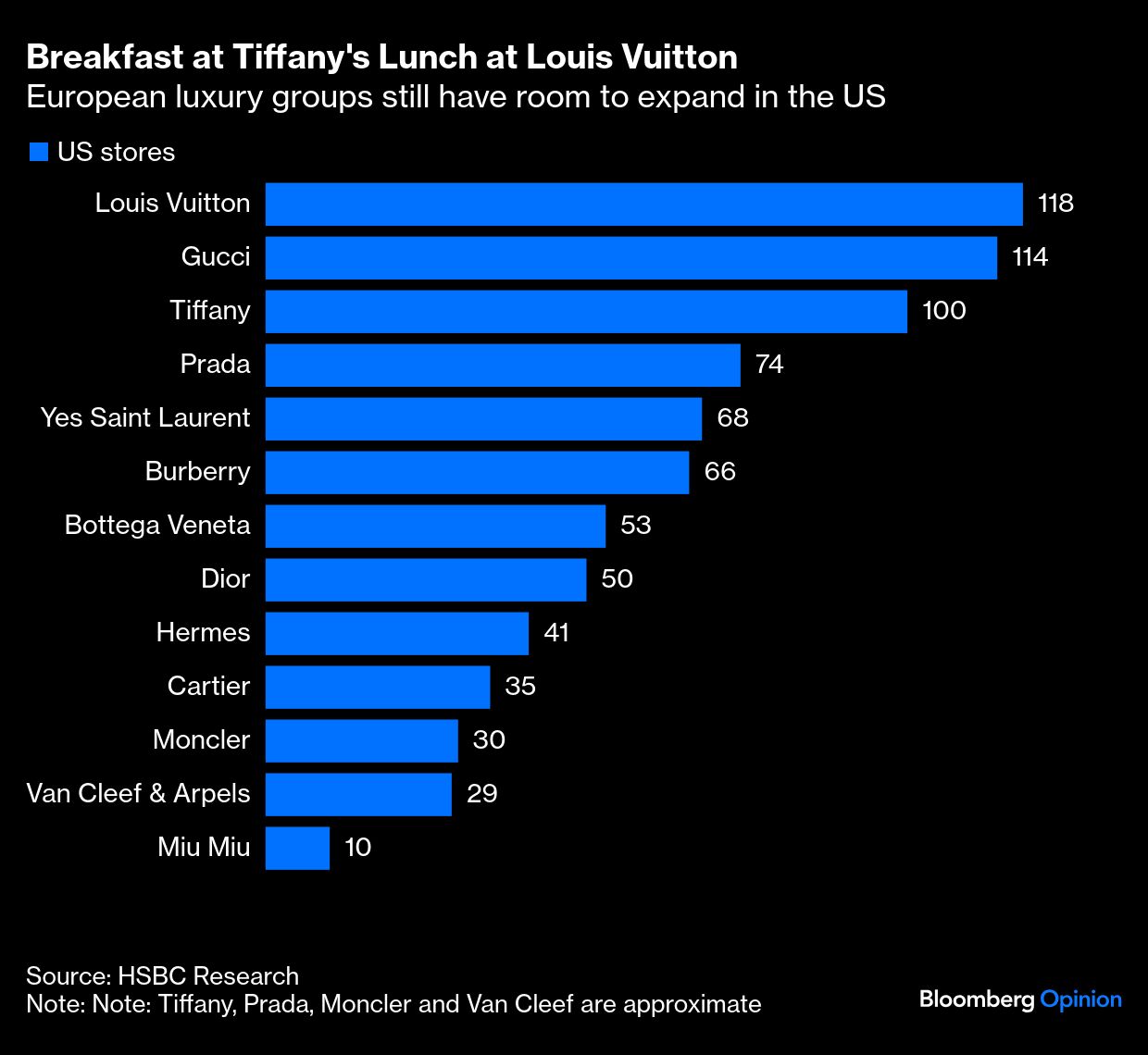
LVMH is best placed to benefit from this shift, generating 25% of its sales from the US in its third quarter. As well as brands such as Dior, Celine and Loewe, it also owns Tiffany & Co. Louis Vuitton has the biggest US store base, according to HSBC Research's analysis. Prada SpA and Kering SA's Gucci have also been expanding their presence, particularly in secondary cities.
Tapping into US demand is not without challenges. The biggest is the prospect of tariffs from president elect Donald Trump.
While most luxury goods groups' exposure to Chinese manufacturing is limited, with supply chains largely in France, Italy and Switzerland, they would be caught by broad plans for levies on all imported goods.
Ordinarily, they would be able to pass these extra costs onto consumers. After all, they sell pricey items with limited elasticity. But the high level of inflation in the industry over the past five years means they have less room for maneuver.
There may be some scope to manufacture in the US. Here LVMH leads once more, with Louis Vuitton making some handbags and small leather goods in Texas and California. But with European heritage such a critical part of many brands' identities, leeway may be limited. Companies may have to absorb the tariffs, putting more pressure on margins.
This threat looks far off, though This may be why LVMH has opened a Louis Vuitton store on the site of the old Niketown on East 57th Street, while it refurbishes the nearby permanent location. The temporary home includes a restaurant offering “luxury snacking” and the first Louis Vuitton chocolatier in America. The emporium might only be around for a few years, but during that time, the US consumer will be crucial to Chief Executive Officer Bernard Arnault's fortunes.

-
The Curious Case of Equitas Small Finance Bank And A CEO Who Quit For Stock

PN Vasudevan believes persistent investor concerns over a perceived conflict of interest had become a governance overhang on Equitas Small Finance Bank's stock, even as the lender improved profitability and asset quality.
-
Talking Points This Week: AI Cash Burn, A Tiger Comeback And An India That Still Finds Its Own Path
India is not immune to higher oil or tighter global liquidity, yet its earnings base is broader, its domestic policy levers are still available.
-
Foreign Investors Own Half Of HDFC Bank and ICICI Bank. An LTCG Cut Could Matter Most Here
Foreign portfolio investors have US$115 billion parked in HDFC Bank, ICICI Bank. If the government cuts long-term capital gains tax, Jefferies says returning foreign money could land here first.
-
'Never Seen This Level Of Negativity': Sandeep Tandon Says The Next Rally May Be Closer Than You Think
Veteran investor Sandeep Tandon says foreign selling is easing, large-caps are due a comeback and mid-caps are crowded, while he turns positive on gold, power and pharma this Diwali.
-
Indians Stay With Family, Not In Hotels | The Reason Why
India still lacks enough clean, reliable and affordable hotels for budget-conscious travellers.
-
The Economic Imperative: Analysing The Material Driving Force Behind India-Canada Strategic Reset
This economic complementarity is further reinforced by deep institutional investment ties and talent mobility, which form the bedrock of the bilateral framework.
-
Medicine Pricing: Where Must Profit Stop?
India must confront excessive margins, hidden incentives and regulatory gaps that threaten the integrity of medicine.
-
Why Amazon And Flipkart Are Struggling To Beat Meesho In India's Smaller Cities
With 274 million users and lowest-cost logistics, Meesho is defending its value commerce crown against giants like Amazon and Flipkart.
-
High US Salaries, No Green Card Certainty: The Financial Calculation Facing Indian H-1B Families
The suspension of PERM processing at eight technology employers does not cancel existing H-1B visas. What it does is force a question many Indian families have been avoiding: is the US salary worth tying your career and family plans to one employer?
-
Swiggy vs Eternal: Food Delivery's Two Rivals Are No Longer In The Same Race
Eternal is building a private AI assistant, dark.ai. Swiggy is still working out how to make Instamart pay, with an operating loss of Rs 895 crore in the July-September quarter while Blinkit stayed profitable.










