Mumbai Weather Fluctuating — Here's What Doctors Recommend To Keep Cold And Flu Away
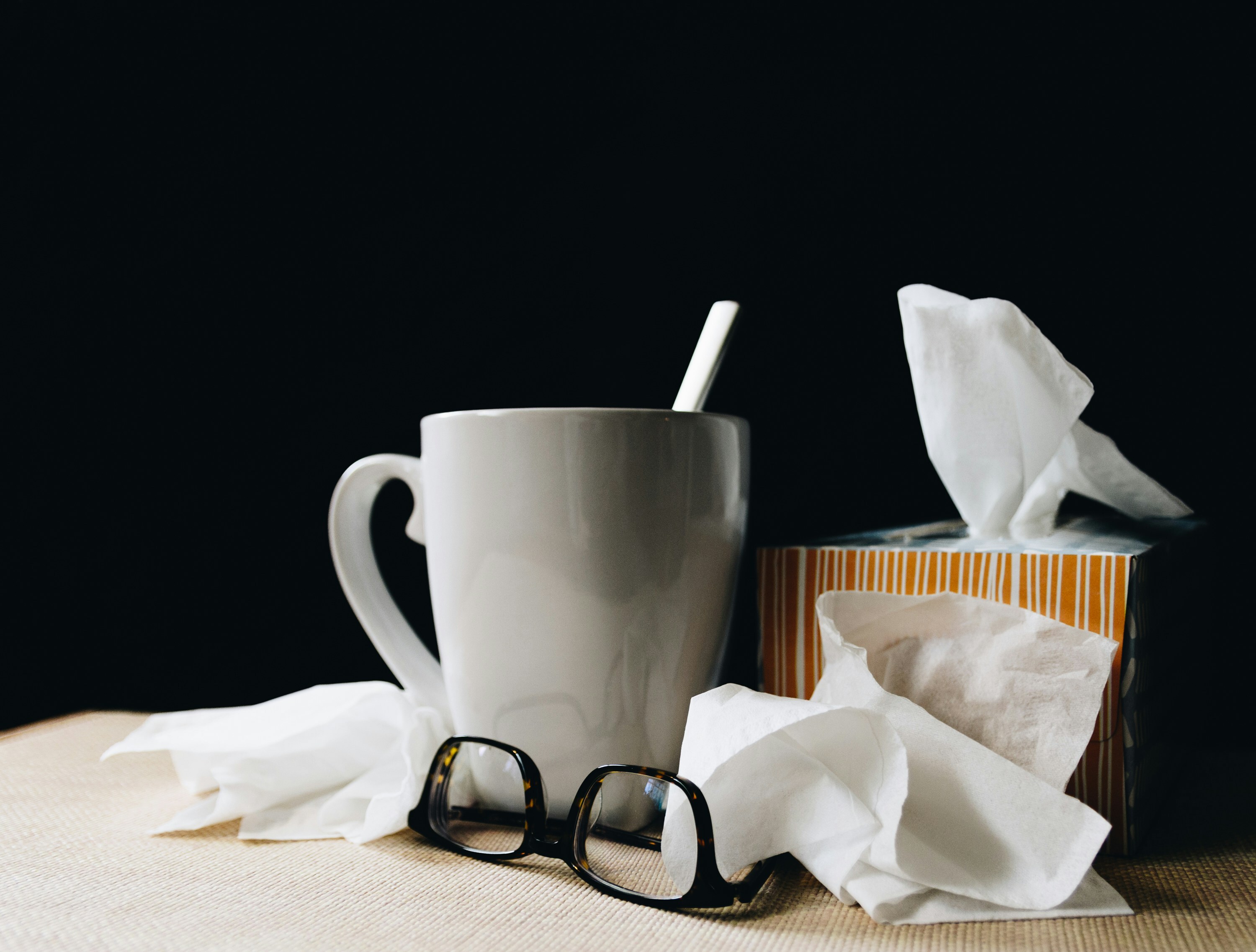
As winter blankets most parts of India, Mumbaikars are experiencing a mix of extended summer heat and sudden chilly mornings. Monday marked Mumbai's coldest December morning in eight years, with the minimum temperature dipping to 13.7 degrees Celsius.
The sudden temperature fluctuation has impacted the health of many residents, with several complaining of respiratory issues. "Whenever the temperature fluctuates, our respiratory system is most affected. The presence of air pollutants due to smog worsens allergic disorders, and viruses thrive in this environment, leading to frequent viral infections," explained Dr Shobha Subramanian Itolikar, consultant-internal medicine, Fortis Hospital Mulund, while speaking to NDTV Profit.
"In the past two weeks, we have seen significant fluctuations in Mumbai's temperature. This has led to an increase in patients reporting dry cough, cold, headache, and severe body ache," Dr Gautam Bhansali, consultant physician and intensivist at Bombay Hospital told NDTV Profit.
The India Meteorological Department, in its Monday bulletin, said that the cold spell is likely to persist throughout the week.
Who Are Prone To Infection?
People with low immunity are more susceptible to viral fevers. "Besides children and the elderly, those with diabetes, chronic obstructive pulmonary disease or COPD, asthma, tuberculosis survivors, smokers, obese individuals, and cancer patients are at higher risk of developing complications like pneumonia or bronchitis,” Itolikar explained.
She advised to take a note of allergic symptoms such as a runny nose, sneezing, or throat irritation, as viral infections are often present with fever, throat pain, and a runny nose. But in severe cases, they can progress to serious conditions like pneumonia or bronchitis.
How To Take Care Of Yourself?
"In areas with high air pollution, wearing a mask while travelling is advisable. Including warm liquids in your diet, especially in the morning, can help clear phlegm and prevent viruses from thriving," Itolikar suggested.
She added, "Winter is the best time for nutrient-rich foods. A diet rich in vitamins, minerals, and fiber is essential during this season."
Itolikar highlighted the importance of lifestyle changes, such as deep breathing exercises, to cleanse the respiratory tract and improve immunity. "Deep breathing helps develop local immunity in the nose and lungs while enhancing breathing capacity," she said.
For nasal congestion or throat irritation, she advised steam inhalation, but cautioned against adding any substances to the steam.
"High-risk individuals should consult their doctors and get vaccinated annually for flu and pneumonia to prevent severe illnesses," she recommended.
Bhansali stressed on avoiding cold foods, curd, and direct air from air conditioners. "Minimise frequent temperature changes, like moving between air-conditioned rooms and outdoors," he added.
Dr Pratit Samdani, internal physician and intensivist, echoed these preventive measures. "Immunocompromised individuals should wear masks. To prevent flu, prioritise immunisation, proper handwashing, avoiding face-touching, eating hygienic food, and ensuring adequate sleep,” he told NDTV Profit.
He also recommended avoiding smoking and staying indoors during early mornings and evenings when particulate matter is denser.

-
One Battle After Another: India's Corporate Dynasties Battle For Control

2026 could go down as Corporate India's year of succession wars, governance battles and family fault lines.
-
Rs 50-Lakh Gold In Bank Locker, Rs 3 Lakh Of Protection: The Gap Most Families Don't Know About
The RBI ties a bank's liability to the annual locker rent and families who want to insure their jewellery face a separate question about how to prove what was inside.
-
The More Food Turns Into Fuel, The Harder It Is To Read Agricultural Markets | The Reason Why
A policy designed to reduce dependence on imported fuel can create new pressures elsewhere in the food economy.
-
Your iPhone Costs 12 Grams Of Gold, A Car About 100. What Does Your Life Weigh?
Measured in rupees, almost everything looks more expensive than it did a generation ago. Measured in grams of gold, a lot of it has become cheaper.
-
Gold Is Rs 22,000 Cheaper Than A Month Ago. Should You Buy Amid The Wedding Season?
Gold's potential slide to $3,500 could save around Rs 4,700 per 10 grams, but a soft inflation print could just as easily push prices back up. One way to split the risk is to buy in parts, some now and the rest after the Fed's Dec. 9 decision.
-
AI Agents Are Gaining Power. Who Governs Them?
Artificial intelligence agents promise to transform productivity by moving machines from assisting decisions to executing them. But as organisations delegate greater authority to these AI-agents, they must first establish who controls that authority and who remains accountable when things go wrong.
-
Why Swapping Your Old Gold Can Trigger A Rs 5 Lakh Tax Bill, And How You Can Avoid It Legally
Swapping old gold for new is taxed as a sale and a fresh purchase. Getting your own gold remade can cut most of that bill, though it has its own costs.
-
The AI Trade is Done. The Real Opportunity for Investors Starts in 2027 | Unhedged Position
As pureplay AI stocks plunge and circular, capex-led financing unwinds, 2027 is set to be a year of reckoning for AI companies. Yet the bust clears the way for a better opportunity for investors in 2027 -- shifting the spotlight from AI builders to the companies using AI.
-
Leadership As Mission: Why The Age Of AI Demands More Human Leadership
Debjani Ghosh examines how AI is changing leadership, arguing that its success must be measured by its impact on people and the accountability of those guiding its use.
-
We May Need Another Tukaram Mundhe To Fight Air Pollution | The Reason Why
Developers may install basic measures such as sprinklers and green nets, resume work, and continue violating rules when this equipment stops working.









