Bullet Trains to Quad Bloc: What's The Agenda For PM Modi's 8th Japan Visit?
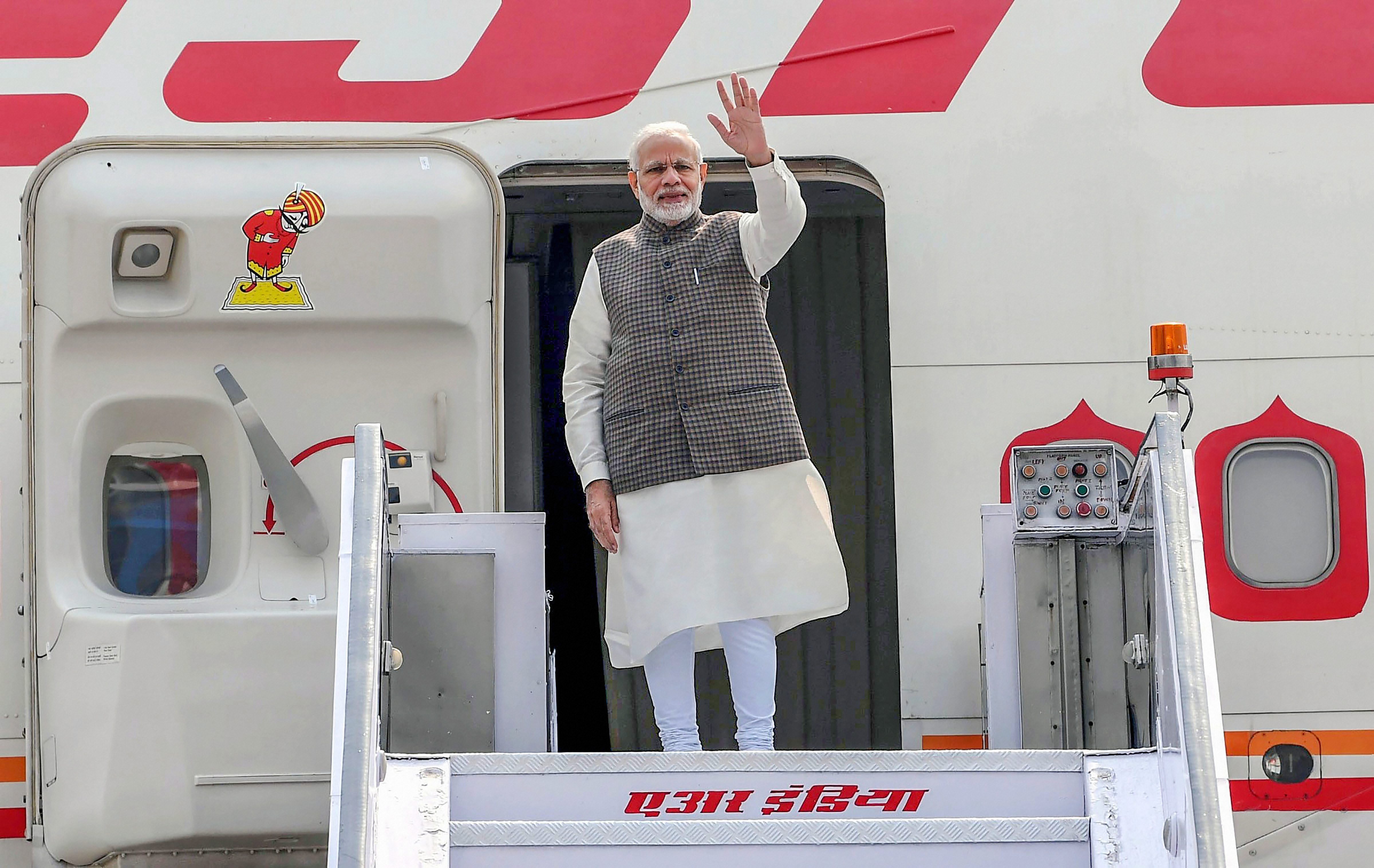
Prime Minister Narendra Modi will embark on a two-day official visit to Japan on Aug. 28. He will take part in the 15th India-Japan Annual Summit with his counterpart, Prime Minister Shigeru Ishiba, on Aug. 29 and 30.
This will be PM Modi's first Annual Summit with Prime Minister Ishiba, said foreign secretary Vikram Misri. “It is also his first standalone visit to Japan in nearly seven years. He last visited for the Annual Summit in 2018. Since then, of course, he has visited Japan, but that has been for multilateral engagements and other ceremonial events. So, this will be a visit that will be fully dedicated to the bilateral agenda between India and Japan. This is also the Prime Minister's eighth visit to Japan since he took office in 2014,” Misri told reporters in New Delhi ahead of the trip.
Strengthening Bilateral Ties
The summit is the cornerstone of the India-Japan special strategic and global partnership. It provides both leaders an opportunity to take stock of recent progress, assess cooperation across a range of areas and exchange views on pressing regional and global developments.
Misri said that discussions would cover sectors including trade and investment, defence and security, as well as science and technology. Modi's itinerary also includes meetings with Japanese political leaders and participation in a business leaders' forum alongside senior figures from Indian and Japanese industry.
“This will also be an opportunity to launch several new initiatives in order to build greater resilience in the relationship, and to respond to emerging opportunities and challenges,” Misri noted, though he did not disclose further details.
According to Japanese media reports cited by the Japanese Foreign Ministry, Modi and Ishiba will also travel to Miyagi Prefecture on Aug. 30 to inspect the Tohoku Shinkansen plant in Sendai. Both sides are expected to sign an agreement to transfer Japanese E-10 coaches to India by 2030 for use in the Mumbai-Ahmedabad High Speed Rail, popularly known as the “Bullet Train” project.
Quad And Indo-Pacific Focus
On wider strategic matters, Misri said that the Quadrilateral Security Dialogue, or Quad, remains central to India-Japan engagement. “The Quad is an important platform for working on and promoting peace, stability, prosperity and development in the Indo-Pacific region,” he said.
The foreign secretary added that the group's agenda now extends beyond security. “In more recent years, its agenda has expanded to take on issues of practical cooperation and health security. It covers critical and emerging technologies. There's an initiative with regard to critical minerals that has been discussed recently, he said.
“Both our countries attach high value to this forum and to this partnership. I'm sure when the two prime ministers meet, the Quad will be a subject that will be discussed between the two of them,” Misri added.
China Visit After Japan
Following his engagements in Japan, PM Modi will proceed to Tianjin, China, where he has been invited by Chinese President Xi Jinping to attend the 25th meeting of the Shanghai Cooperation Organisation (SCO) Heads of State on Aug. 31 and Sept. 1.

-
AI Bias In Investing Cannot Be Eliminated, But It Can Be Governed

Framing is a particularly important example as identical financial information presented in terms of gains rather than losses can lead an LLM to reach a different assessment.
-
Joining The Dots | Dark Skies, Steady Diya: Why Hope Holds This Diwali
With war, a weak rupee and foreign outflows weighing on sentiment, policymakers at the NDTV World Summit and market veterans at NDTV Profit Ignite: Diwali Edition offered the same advice: stay invested and filter out the noise.
-
The Curious Case of Equitas Small Finance Bank And A CEO Who Quit For Stock
PN Vasudevan believes persistent investor concerns over a perceived conflict of interest had become a governance overhang on Equitas Small Finance Bank's stock, even as the lender improved profitability and asset quality.
-
Talking Points This Week: AI Cash Burn, A Tiger Comeback And An India That Still Finds Its Own Path
India is not immune to higher oil or tighter global liquidity, yet its earnings base is broader, its domestic policy levers are still available.
-
Foreign Investors Own Half Of HDFC Bank and ICICI Bank. An LTCG Cut Could Matter Most Here
Foreign portfolio investors have US$115 billion parked in HDFC Bank, ICICI Bank. If the government cuts long-term capital gains tax, Jefferies says returning foreign money could land here first.
-
'Never Seen This Level Of Negativity': Sandeep Tandon Says The Next Rally May Be Closer Than You Think
Veteran investor Sandeep Tandon says foreign selling is easing, large-caps are due a comeback and mid-caps are crowded, while he turns positive on gold, power and pharma this Diwali.
-
Indians Stay With Family, Not In Hotels | The Reason Why
India still lacks enough clean, reliable and affordable hotels for budget-conscious travellers.
-
The Economic Imperative: Analysing The Material Driving Force Behind India-Canada Strategic Reset
This economic complementarity is further reinforced by deep institutional investment ties and talent mobility, which form the bedrock of the bilateral framework.
-
Medicine Pricing: Where Must Profit Stop?
India must confront excessive margins, hidden incentives and regulatory gaps that threaten the integrity of medicine.
-
Why Amazon And Flipkart Are Struggling To Beat Meesho In India's Smaller Cities
With 274 million users and lowest-cost logistics, Meesho is defending its value commerce crown against giants like Amazon and Flipkart.










