What OPEC+’s Production Decision Means for Global Oil Markets
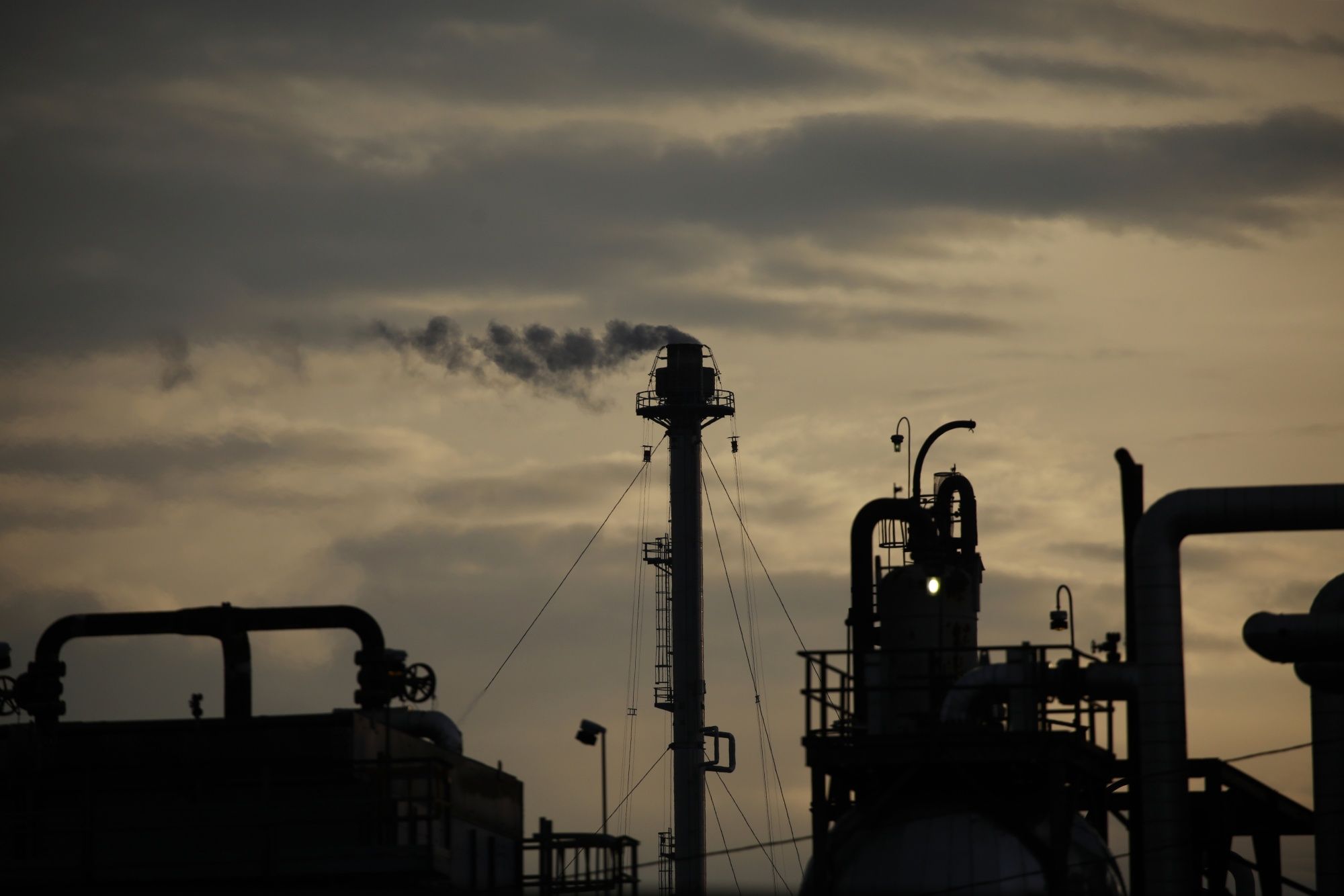
(Bloomberg) -- OPEC+'s hotly anticipated output meeting on Thursday underwhelmed the market, with oil prices closing up after the decision.
The alliance agreed to production hikes of 648,000 barrels a day for July and August, about 50% bigger than those seen in recent months. But there were doubts about the group's ability to fully deliver the increases, given they will be spread across its members, many of whom have struggled to raise output.
Oil's just capped its sixth straight monthly gain -- the longest such run in a decade -- and the rally now looks set to continue as the supply deficit widens.
Here's what leading analysts had to say about the OPEC+ decision and what it would mean for oil prices.
Goldman Sachs Group Inc.
The latest OPEC+ decision translates to an increase of 200,000 barrels a day in summer output levels with Russia still keeping its quota share and many countries falling behind target, analysts Damien Courvalin and Callum Bruce said in a note. The deal doesn't represent higher output levels for later this year, with production simply brought forward from September.
The bank continues to see downside risks to its OPEC+ supply expectations for the second half of this year, given the European ban on Russian oil imports and the lack of progress on negotiations with Iran. Goldman reiterated its Brent forecast of $125 a barrel in the second half.
ING Groep NV
The supply increases look big on paper, but it's very unlikely that the group will actually manage to hit these production targets, Warren Patterson, ING's Singapore-based head of commodities strategy, said in an interview. Russian output is likely to edge lower in the months ahead as sanctions bite, while there is limited spare output capacity among the OPEC+ coalition. The bank maintained its forecast for Brent to average $122 a barrel in the second half.
Citigroup Inc.
The decision by OPEC+ could, in practice, mean 132,000 barrels a day each month of actual additional output from Saudi Arabia, the United Arab Emirates, Kuwait, and Iraq, Citi analysts Eric Lee and Francesco Martoccia said in a note. Prices have been marching higher in the past week as markets assessed the European Union move to block Russian oil imports, Chinese lockdowns were lifted and the US summer driving season got underway, it said.
FGE
It's unreasonable to expect OPEC to unleash millions of barrels to take care of the self-sanctioning of Russian oil by many buyers, especially in Europe, FGE Chairman Fereidun Fesharaki said in a Bloomberg TV interview. If OPEC had added 1.5 million barrels a day, there wouldn't have been any extra capacity when demand increases in one to two months from now, he said.
Unless Iranian supplies -- which could immediately push prices down by $10 to $15 a barrel -- come back due to a nuclear deal, the major shut-in of Russian oil would keep prices above $100 a barrel.
More stories like this are available on bloomberg.com
©2022 Bloomberg L.P.

-
Talking Points This Week: Leadership Shock At Nvidia, Earnings Strength, And The Fog Over Hormuz

The Anthropic IPO pricing and first trading day, Nvidia's upcoming earnings, and any fresh signals from Iran will set the tone for the following week.
-
Signature Play: The Classic Cocktail Is Dead. Or Is It?
Classic cocktails are disappearing from India's cocktail menus. But they're still being ordered, taught to bartenders and borrowed from. So, who's really having the last drink?
-
A New Samvat Wishlist: Inclusive Prosperity And Human Development
India has strengthened its economic foundations through infrastructure, digital access and enterprise. Its next growth chapter must deepen productivity, create better livelihoods and widen participation in prosperity.
-
Love, Sex Aur Dhokha: The Audacious Plot To Spy On Jensen Huang
A Taipei dinner, a Singapore chip buyer and a suspected Chinese asset: inside the alleged spy operation that got close to NVIDIA's Jensen Huang.
-
Ten Things I Learnt This Samvat
Patience can be a trap. Cheap stocks can stay cheap. Leverage can wipe you out. What did Samvat 2082 teach us? Niraj Shah writes on 10 lessons from the year gone by.
-
Talking Points This Week: Tech Nerves, FII Buying, And A Faraway Banking Shock
The global markets are not shining this Diwali. The exception in the large markets is, India.
-
Midterm Rally Lasted A Day. The Hard Reality Of A Divided US May Last Two Years | Opinion
Between a contested AI boom, a debt ceiling that arrives in 2027 and a president with every incentive to act alone, the next two years may prove more volatile than the first day's rally suggests.
-
Blue Wave Will Derail the AI Trade but Won't Dismantle the AI Era | Unhedged Position
The Democrats' sweep of the US Congress will see politics collide with economic forces both over the long and short term.
-
It's Time To Take The GST Council's Bet On Trust Global
Payment records can prove India's services exports, and clear, proportionate rules can bring foreign digital sellers into the tax net.
-
Opinion | India at 38: From Innovation Overperformer to Innovation Powerhouse
India now has 453 VC-backed deep science startups, 18 of them late-stage, after 117 percent growth since 2020. Laurus Labs, at USD 9.3 billion, is the most valuable deep science company in any middle-income economy outside China.









