Waaree Energies, Premier Energies Get Their Most Bearish Price Target As Bernstein Initiates Coverage
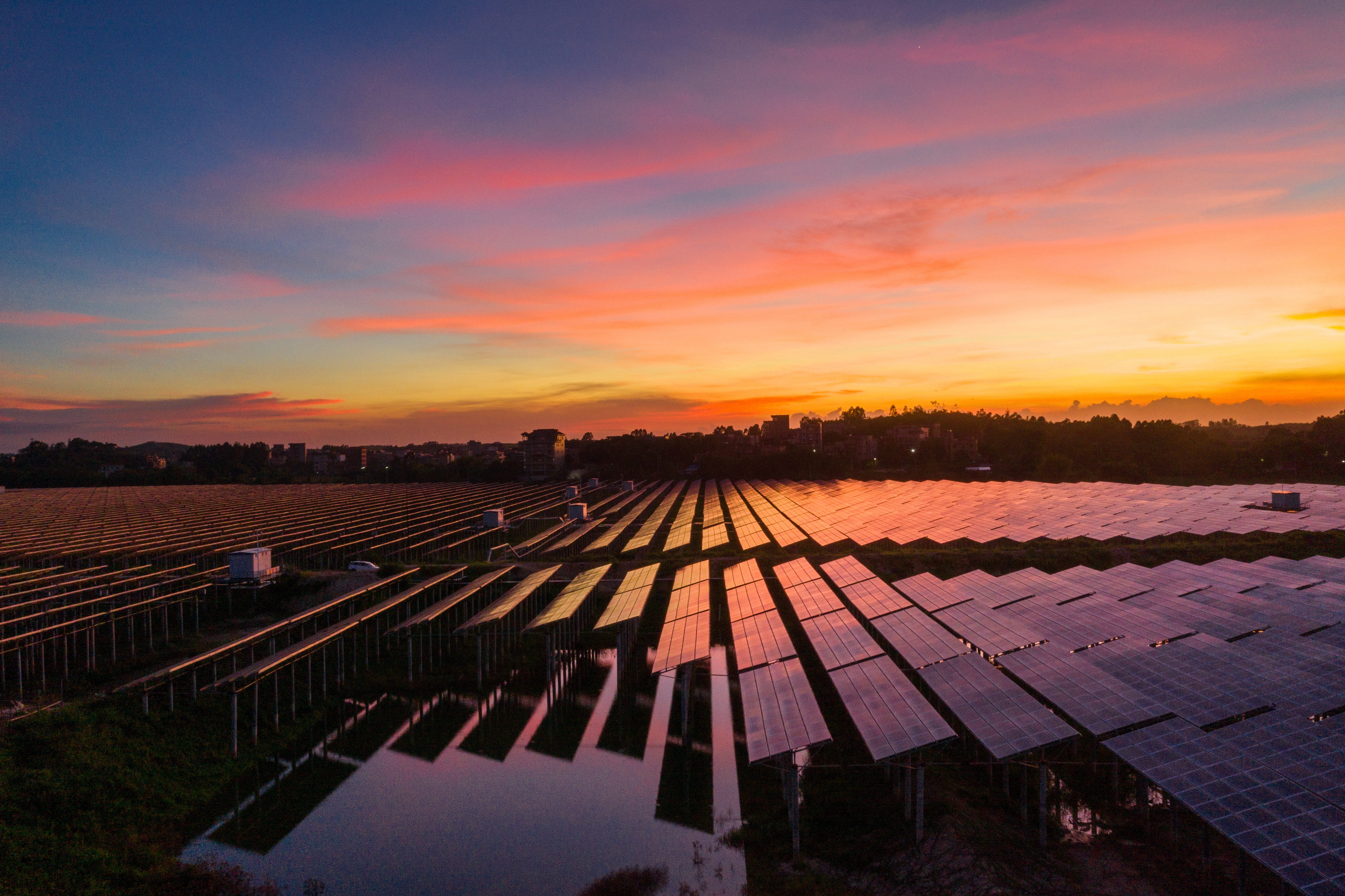
Bernstein has initiated coverage on Waaree Energies Ltd. and Premier Energies Ltd. with an ‘Underperform' rating, assigning the most bearish price targets among analysts. It sees a 21% downside for Waaree and 26% for Premier, valuing them at $6 billion and $4 billion, respectively.
The brokerage warns that India's solar photovoltaic manufacturing sector is nearing peak returns due to oversupply, low barriers to entry, and intensifying competition.
Among the two companies, Bernstein prefers Waaree, citing its potential to expand into producing ingots and wafers—the raw materials used in solar cells—rather than relying on external suppliers.
It has a price target of Rs 1,902 and Rs 693 for Waaree and Premier Energies, respectively. Among all analyst data available on Bloomberg, Bernstein has the lowest target price on both companies.
Waaree's Edge
The analyst notes that Waaree's large international order book provides better visibility on pricing and spreads, a factor missing for Premier.
However, it believes both companies will struggle against larger competitors like Reliance and Adani Enterprises, which have greater financial resources and backward integration capabilities. Bernstein expects returns in the sector to normalise from over 40% to the mid-teens.
Despite challenges, Bernstein considers solar PV manufacturing an important sector to track due to India's renewable energy push and government incentives. However, it warns that the industry is highly cyclical. Globally, manufacturing capacity already stands at 1,200 gigawatts, double the estimated demand of 600 gigawatts.
The brokerage points out that many leading module manufacturers from 15 years ago have either exited the business or gone bankrupt, reinforcing its view that this is a “sell on positive development” story.
Supply Glut Threatens Margins
Bernstein highlights a looming supply glut in India, where solar module demand is expected to reach 40 gigawatts in the financial year 2026, while manufacturing capacity is projected to exceed 70 gigawatts. The solar cell market, which saw tight supplies in financial year 2025, is also expanding rapidly, with capacity expected to rise from 21 gigawatts in March 2025 to over 60 gigawatts by financial year 2027.
While government policies, such as import restrictions and domestic procurement mandates, are currently providing support, Bernstein believes the growing supply pipeline could put pressure on prices and profitability.
The firm also flags risks such as long-term warranties on untested products and heavy dependence on import restrictions in India and the US. It sees export growth, which surged from $0.1 billion in the financial year 2022 to $2 billion in the financial year 2024, as unsustainable.
The US, which pivoted away from Chinese imports, currently has 52 gigawatts of module manufacturing capacity, with another 19 gigawatts under construction, against an expected demand of 54 gigawatts in 2025. Bernstein warns that the large price gap between U.S. and global module prices—25 cents per watt versus 9 cents—could narrow, making exports less attractive.

-
Why Swapping Your Old Gold Can Trigger A Rs 5 Lakh Tax Bill, And How You Can Avoid It Legally

Swapping old gold for new is taxed as a sale and a fresh purchase. Getting your own gold remade can cut most of that bill, though it has its own costs.
-
The AI Trade is Done. The Real Opportunity for Investors Starts in 2027 | Unhedged Position
As pureplay AI stocks plunge and circular, capex-led financing unwinds, 2027 is set to be a year of reckoning for AI companies. Yet the bust clears the way for a better opportunity for investors in 2027 -- shifting the spotlight from AI builders to the companies using AI.
-
Leadership As Mission: Why The Age Of AI Demands More Human Leadership
Debjani Ghosh examines how AI is changing leadership, arguing that its success must be measured by its impact on people and the accountability of those guiding its use.
-
We May Need Another Tukaram Mundhe To Fight Air Pollution | The Reason Why
Developers may install basic measures such as sprinklers and green nets, resume work, and continue violating rules when this equipment stops working.
-
Extracting Value From Battery Scrap Could Be Challenging For India | The Reason Why
A discarded lithium-ion battery still contains valuable materials such as lithium, nickel and cobalt. These can be recovered and reused. When such batteries are crushed and shredded, they produce a dark powder called black mass.
-
One El Nino, India Can Handle. Two Could Break The Granary
India's grain stocks can absorb one bad year, but a second El Nino could drain the buffer in two to three years, economists say.
-
India's Troika Of Good Luck | Joining The Dots
As Jensen Huang's exit drags Nvidia down, a cooling AI trade and resilient earnings have revived investor interest in India. A likely RBI rate hike looms.
-
Talking Points This Week: Leadership Shock At Nvidia, Earnings Strength, And The Fog Over Hormuz
The Anthropic IPO pricing and first trading day, Nvidia's upcoming earnings, and any fresh signals from Iran will set the tone for the following week.
-
Signature Play: The Classic Cocktail Is Dead. Or Is It?
Classic cocktails are disappearing from India's cocktail menus. But they're still being ordered, taught to bartenders and borrowed from. So, who's really having the last drink?
-
A New Samvat Wishlist: Inclusive Prosperity And Human Development
India has strengthened its economic foundations through infrastructure, digital access and enterprise. Its next growth chapter must deepen productivity, create better livelihoods and widen participation in prosperity.









