Treasuries Post First Gain Since 2020 As Fed Pivot Gets Traction
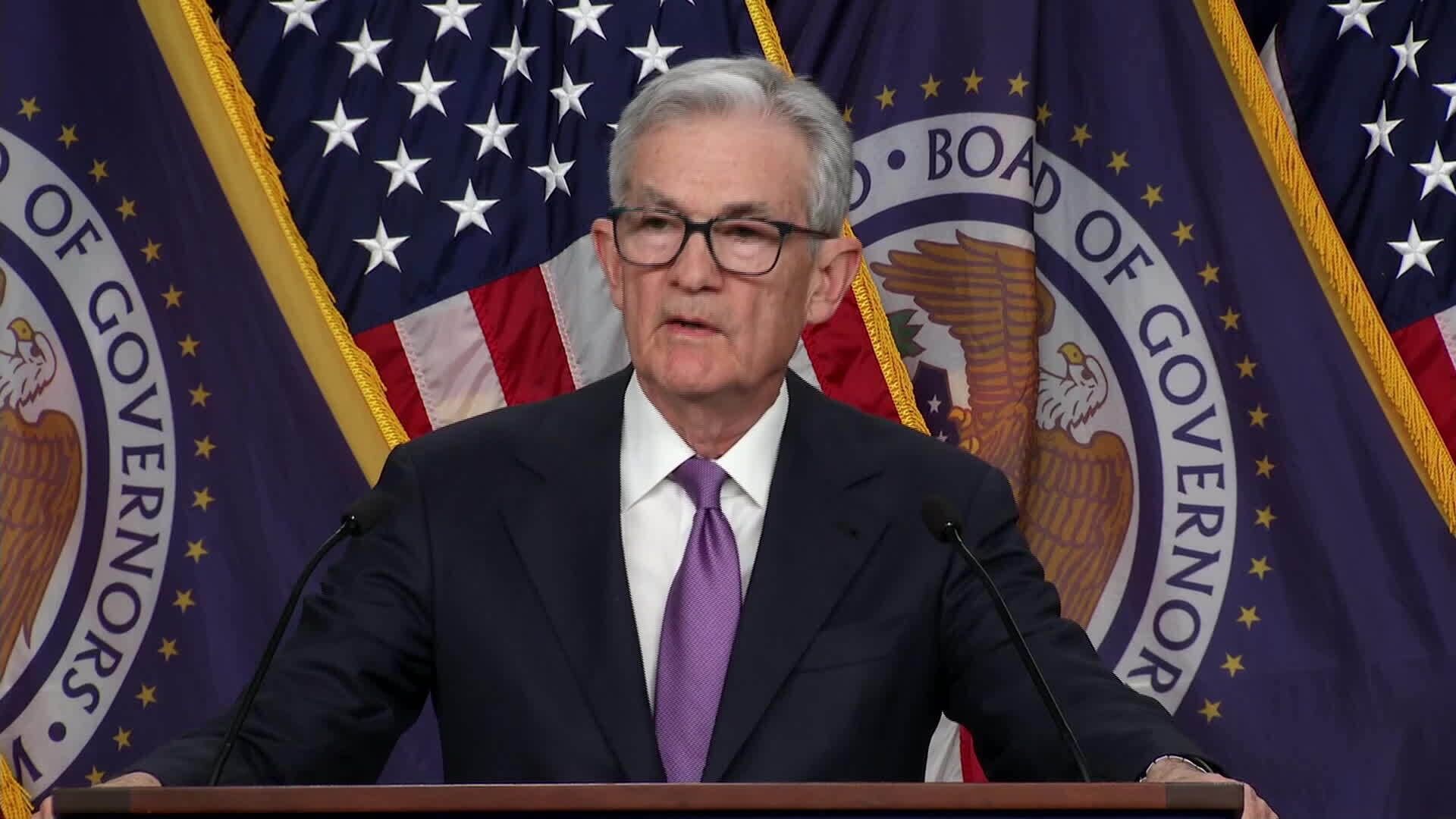
(Bloomberg) -- The US Treasury market posted its first annual gain since 2020 as slowing growth and inflation bolstered views that the Federal Reserve's campaign of interest-rate increases is likely over.
The result stands in sharp contrast to the market's performance for most of 2023. Benchmark yields were propelled to multiyear highs in October by the prospect that monetary policy would remain tight indefinitely. Growth in the supply of Treasury debt also spurred investors to demand higher rates of return. At its worst point on Oct. 19, year-to-date losses reached 3.3%.
But then a slower pace of employment growth was sustained and inflation rates ebbed to levels last seen in 2021. Fed policymakers began to signal that additional rate increases appeared unnecessary. At the same time, the Treasury Department slowed the pace of its auction-size increases, and crude oil and gasoline prices declined.
As measured by the Bloomberg US Treasury Index, the market's gains in December and November were among its biggest in years. Short-maturity yields, more sensitive to changes in monetary policy, declined the most, leaving yield-curve spreads steeper or less inverted.
For 2024, many US interest-rate strategists expect that short-maturity yields will continue to decline as the Fed lowers its target for the fed funds rate from 5.25%-5%, with most expecting cumulative cuts of one to two percentage points.
- The Bloomberg US Treasury Index returned 4.1%, its first full-year gain since 2020, when the Covid-19 pandemic caused a global recession; the best months for the index were November (3.5%), December (3.4%), March (2.9%) and January (2.5%); the worst were February (-2.3%) and September (-2.2%)
- 2023 changes for benchmark yields:
- 2Y -18bp
- 5Y -16bp
- 10Y +0.4bp
- 30Y +6.5bp
- Yields charted a meandering course during the early part of the year as a regional bank crisis in March cast doubt on the economy's prospects; they began a sustained rise in May as expectations for another Fed rate increase mounted amid strong economic data, stability in regional bank shares and an agreement to suspend the federal debt ceiling
- 10-year yields reached their lowest level of the year, 3.25%, in April and peaked near 5.02% in October
- The Fed raised rates for the last time in July, its 11th increase since March 2022
- Oil and gasoline prices were a factor; WTI crude futures began the year at about $80, peaked in late September near $95 and ended around $72
- Inflation expectations implied by yields on Treasury inflation-protected securities declined, with the five-year breakeven rate reaching lowest level since early 2021
- Actual inflation continued to slow, with the Consumer Price Index up 3.1% y/y in November; core inflation rose 4%
- Expectations for Fed rate changes shifted dramatically after the central bank's final meeting of the year on Dec. 12-13, which included new quarterly forecasts for the fed funds rate with a median of 4.625% for end-2024, down from 5.125% previously
- Other major sovereign bond markets followed a similar course, with 10-year yields in the UK, Germany and Japan also retreating from year-to-date highs reached during the second half of the year; key central banks around the world also are expected to pivot to rate cuts in 2024
- Frequent large daily swings in yield remained a feature of the landscape, and gauges of volatility and liquidity reached historically high levels
- Some of the biggest daily moves occurred on:
- March 10 (Silicon Valley Bank collapses)
- March 13 (high-volume global bond rally as rate-hike expectations crumble after US authorities took extraordinary measures to shore up confidence in the financial system)
- March 15 (Credit Suisse heads for takeover after deposits plunge)
- March 27 (poor 2-year note auction, corporate bond supply)
- May 1 (strong ISM manufacturing, corporate bond supply)
- May 2 (weak job-openings data, stock-market selloff)
- June 29 (strong GDP data)
- Oct. 12 (poor 30-year bond auction)
- Nov. 9 (poor 30-year bond auction)
- Nov. 14 (benign CPI data)
- Dec. 13 (FOMC rate decision)
- The Treasury Department resumed increasing auction sizes in August, announcing a quarterly plan that was more ambitious than most Wall Street dealers anticipated; by contrast, the next plan announced in November entailed smaller increases for longer-maturity debt offerings than most dealers thought were likely
- See also:
- 2022 summary
- 2021 summary
- 2020 summary
- 2019 summary
- 2018 summary
- 2017 summary
- 2016 summary
- 2015 summary
- 2014 summary
- Economic data:
- Jan. 2: S&P Global US manufacturing PMI; construction spending
- Jan. 3: MBA mortgage applications; ISM manufacturing; JOLTS jobs openings
- Jan. 4: ADP employment; Challenger job cuts; jobless claims; S&P Global US services PMI
- Jan. 5: Employment report; factory orders; ISM services
- Fed Calendar:
- Jan. 3: Federal Open Market Committee Dec. 12-13 meeting minutes; Richmond Fed President Tom Barkin
- Jan. 5: Barkin
- Auction calendar:
- Jan. 2: 13-, 26-week bills and 42-day cash-management bill
- Jan. 3: 17-week bills
- Jan. 4: 4-, 8-week bills
--With assistance from Michael Mackenzie.
More stories like this are available on bloomberg.com
©2023 Bloomberg L.P.
The first trading week of 2024 brings a heavy slate of US economic data and the minutes of last month's Fed meeting. Data include the December employment report on Jan. 5, among other key labor-market indicators, and gauges of manufacturing and service-sector activity. Treasury supply includes only bill auctions.
What to Watch

-
Getting To Work Costs Women More | The Reason Why

It is not just about women paying more than men. It is about women paying much more in cities than in villages.
-
AI Bias In Investing Cannot Be Eliminated, But It Can Be Governed
Framing is a particularly important example as identical financial information presented in terms of gains rather than losses can lead an LLM to reach a different assessment.
-
Joining The Dots | Dark Skies, Steady Diya: Why Hope Holds This Diwali
With war, a weak rupee and foreign outflows weighing on sentiment, policymakers at the NDTV World Summit and market veterans at NDTV Profit Ignite: Diwali Edition offered the same advice: stay invested and filter out the noise.
-
The Curious Case of Equitas Small Finance Bank And A CEO Who Quit For Stock
PN Vasudevan believes persistent investor concerns over a perceived conflict of interest had become a governance overhang on Equitas Small Finance Bank's stock, even as the lender improved profitability and asset quality.
-
Talking Points This Week: AI Cash Burn, A Tiger Comeback And An India That Still Finds Its Own Path
India is not immune to higher oil or tighter global liquidity, yet its earnings base is broader, its domestic policy levers are still available.
-
Foreign Investors Own Half Of HDFC Bank and ICICI Bank. An LTCG Cut Could Matter Most Here
Foreign portfolio investors have US$115 billion parked in HDFC Bank, ICICI Bank. If the government cuts long-term capital gains tax, Jefferies says returning foreign money could land here first.
-
'Never Seen This Level Of Negativity': Sandeep Tandon Says The Next Rally May Be Closer Than You Think
Veteran investor Sandeep Tandon says foreign selling is easing, large-caps are due a comeback and mid-caps are crowded, while he turns positive on gold, power and pharma this Diwali.
-
Indians Stay With Family, Not In Hotels | The Reason Why
India still lacks enough clean, reliable and affordable hotels for budget-conscious travellers.
-
The Economic Imperative: Analysing The Material Driving Force Behind India-Canada Strategic Reset
This economic complementarity is further reinforced by deep institutional investment ties and talent mobility, which form the bedrock of the bilateral framework.
-
Medicine Pricing: Where Must Profit Stop?
India must confront excessive margins, hidden incentives and regulatory gaps that threaten the integrity of medicine.










