Short-Selling Bans Are Counterproductive Panic Policies
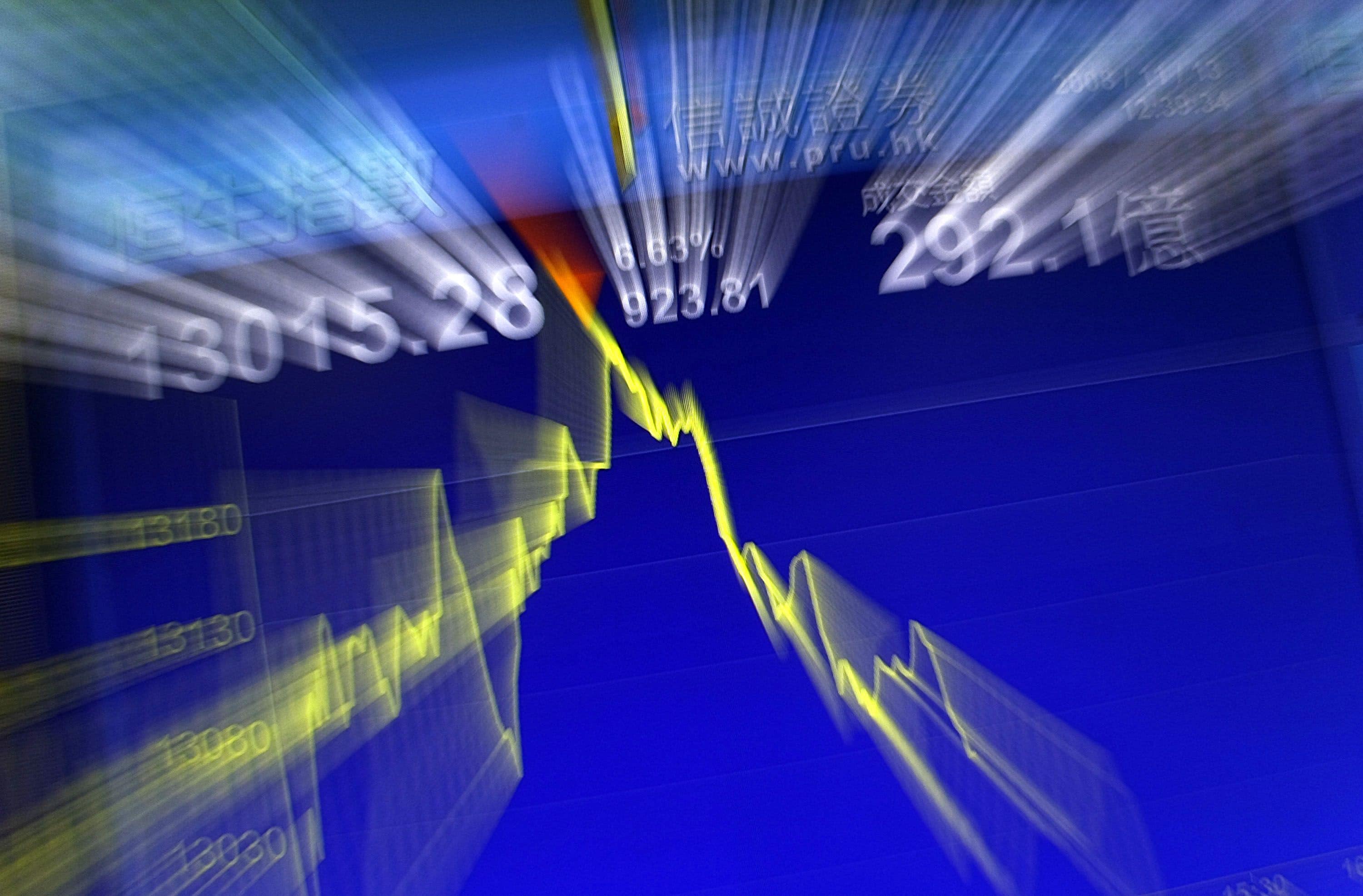
As the markets gyrate wildly, restricting or imposing a ban on short-selling seems like a quick fix. Motivated by a desire to protect investors and markets, such a ban is not only ineffective but also counterproductive, and could prove to be detrimental to overall market sentiment and health. Prohibition of short-selling drastically reduces liquidity and creates panic - prompting investors to hold cash and withdraw from their market positions in droves, or reduce them drastically.
In 1917, American financier and investor Bernard Baruch said, “a market without bears would be like a nation without a free press. There would be no one to criticize and retrain the false optimism that always leads to disaster.”
Decades later, hedge fund manager Fahmi Quadir echoed that sentiment while betting against what she saw as corrupt pharma, “I make money by finding companies that exploit people” and that “short-sellers don't exist to fix the problems. They exist to shed light on the problems.” Short-sellers such as Quadir derive moral satisfaction from their shorts.
Still, even if there was no crusader element behind short-selling positions, and hedge funds took them pure-play for profit – short-selling still does not hurt markets. But a ban or a restriction on short-selling certainly will.
Misunderstood Concept
Short-selling, as a process, must be made more transparent because the more it is understood, the more accepted it will be as another investment vehicle, and the less likely it will be blamed when the next bear market comes.
After instituting the ban on short-selling in 2008, the cost of trading U.S. securities rose more than 200 percent because a short-selling ban essentially acts as a tax on all investors selling the affecting securities. This is extremely counterproductive as investors rely on traders who can hedge the downside of markets even in times of volatility.
In effect, short-selling provides a tool to preserve investor capital and profit even when market indices are falling.
There is a misconception that the investors whose capital is being deployed by funds who short-sell are ultra-high net worth individuals. 60 percent of assets managed by such hedge funds are charitable funds, private and public pension funds.
Conclusion
A ban on short-selling hurts the economy in two ways - first it will impact the nascent hedge fund industry in India, and then, the overall market. A short-selling ban would make investors pull out from their positions and take smaller positions than they typically would.
After the ban on short-selling in 2008, the U.S. Securities Exchange Commission's study found that companies' stock prices continued to deteriorate. The drop was not related to short-selling but balance sheet imbalances and external threats to the business. Meanwhile, a ban on short-selling has a definite correlation to lowered market liquidity and increased trading costs. Christopher Cox, the U.S. SEC chairman who instituted the ban, famously regretted doing so.
Governments must address systemic issues instead of looking for a quick fix solution that ends up being counterproductive.
Short-selling allows hedge funds to manage risk and volatility in their portfolios, particularly in uncertain times. It gives them the ability to deliver returns regardless of market performance. A viable solution to relieve stress in the market would be to inject liquidity or provide fiscal stimulus and address the systemic problem. Any decision to ban short-selling will prove to be a hasty decision, that results in unintended disastrous consequences.
Nikhil Kamath is Co-Founder and Chief Investment Officer of investment advisory and portfolio firm True Beacon and online broker Zerodha.
The views expressed here are those of the author and do not necessarily represent the views of BloombergQuint or its editorial team.

-
We May Need Another Tukaram Mundhe To Fight Air Pollution | The Reason Why

Developers may install basic measures such as sprinklers and green nets, resume work, and continue violating rules when this equipment stops working.
-
Extracting Value From Battery Scrap Could Be Challenging For India | The Reason Why
A discarded lithium-ion battery still contains valuable materials such as lithium, nickel and cobalt. These can be recovered and reused. When such batteries are crushed and shredded, they produce a dark powder called black mass.
-
One El Nino, India Can Handle. Two Could Break The Granary
India's grain stocks can absorb one bad year, but a second El Nino could drain the buffer in two to three years, economists say.
-
India's Troika Of Good Luck | Joining The Dots
As Jensen Huang's exit drags Nvidia down, a cooling AI trade and resilient earnings have revived investor interest in India. A likely RBI rate hike looms.
-
Talking Points This Week: Leadership Shock At Nvidia, Earnings Strength, And The Fog Over Hormuz
The Anthropic IPO pricing and first trading day, Nvidia's upcoming earnings, and any fresh signals from Iran will set the tone for the following week.
-
Signature Play: The Classic Cocktail Is Dead. Or Is It?
Classic cocktails are disappearing from India's cocktail menus. But they're still being ordered, taught to bartenders and borrowed from. So, who's really having the last drink?
-
A New Samvat Wishlist: Inclusive Prosperity And Human Development
India has strengthened its economic foundations through infrastructure, digital access and enterprise. Its next growth chapter must deepen productivity, create better livelihoods and widen participation in prosperity.
-
Love, Sex Aur Dhokha: The Audacious Plot To Spy On Jensen Huang
A Taipei dinner, a Singapore chip buyer and a suspected Chinese asset: inside the alleged spy operation that got close to NVIDIA's Jensen Huang.
-
Ten Things I Learnt This Samvat
Patience can be a trap. Cheap stocks can stay cheap. Leverage can wipe you out. What did Samvat 2082 teach us? Niraj Shah writes on 10 lessons from the year gone by.
-
Talking Points This Week: Tech Nerves, FII Buying, And A Faraway Banking Shock
The global markets are not shining this Diwali. The exception in the large markets is, India.









