Shanghai Exchange Races To Fix Glitch That Rocked Hedge Funds
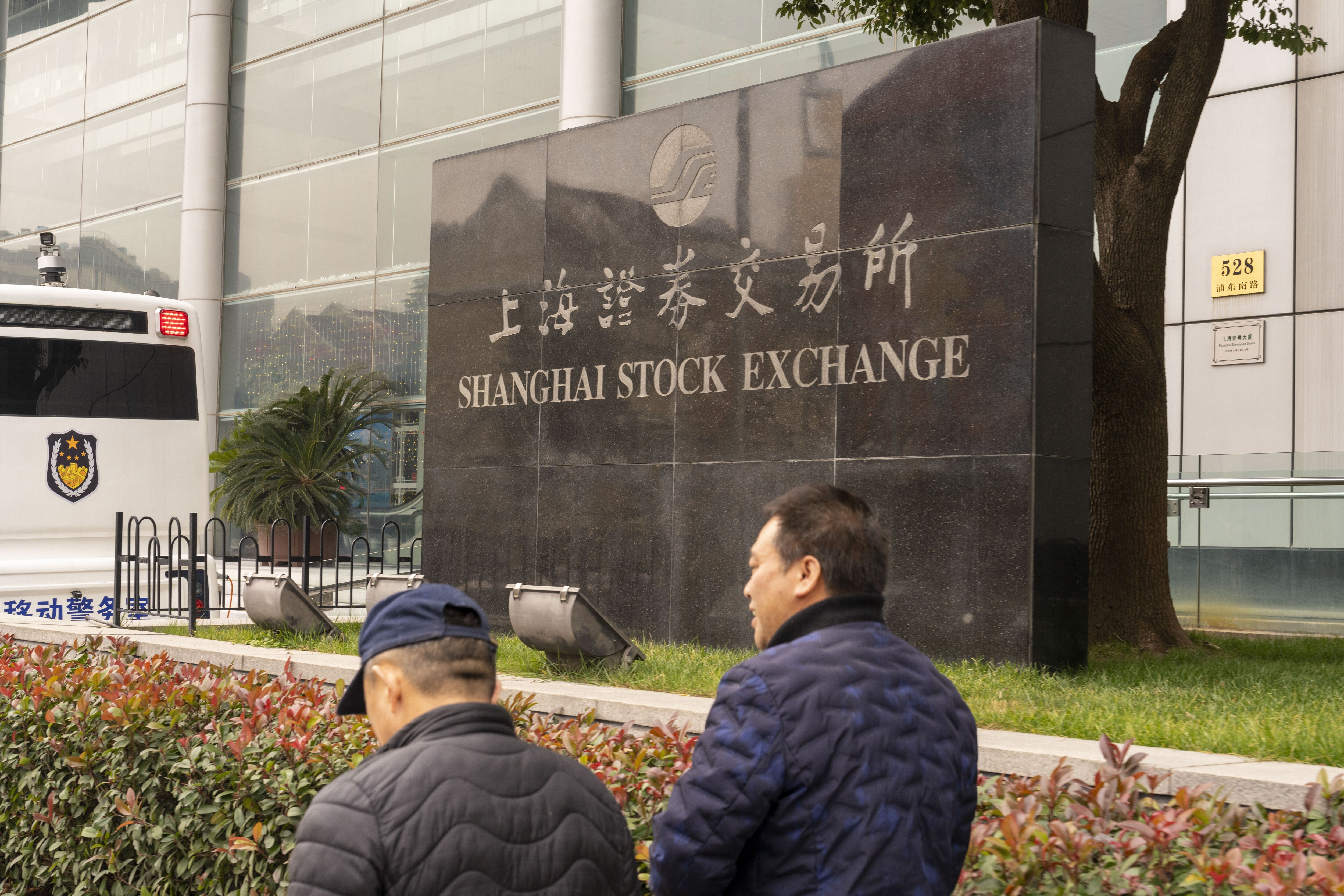
(Bloomberg) --The Shanghai Stock Exchange ran weekend stress tests and traders braced for a potentially volatile session on Monday after transaction problems at the end of last week wrongfooted a number of quantitative hedge funds.
The exchange asked brokerages to participate in the tests after its systems struggled to cope with a surge in trading activity on Friday as stocks soared. The exchange processed 270 million transactions in the weekend simulations, twice as many as the previous peak and three times the orders placed on Friday, it said in a statement.
Some hedge funds that had short positions in stock-index futures and long positions in equities were unable to sell their shares fast enough on Friday to meet futures margin calls because of exchange issues that led to order delays.
With the readiness of the Shanghai market still uncertain as China heads into its last trading session before the week-long National Day holiday, market professionals are preparing for more big swings. Some hedge funds are also still working through their margin calls after brokerages gave them extra time to come up with cash. That could lead to selling pressure in some shares and government bonds on Monday.
At the same time, there's little sign of buying fatigue among China's individual investors. New account openings surged over the weekend, with some brokerages offering 24/7 services to meet the demand, according to local media.
China's CSI 300 Index of large-cap shares soared 4.5% on Friday—bringing the week's gain to 16%—after authorities announced a long-awaited package of economic stimulus and signaled more to come. The ChiNext index, a tech-heavy gauge, rose a record 10% on Friday.
China's total turnover for the day topped 1.4 trillion yuan ($200 billion), reaching the highest in three years, despite the trading issues that left Shanghai's market static for large chunks of the session. Turnover in Hong Kong reached 445 billion Hong Kong Dollars ($57.2 billion), the highest on record.
Some firms suffered heavy losses because they shorted index futures for their so-called Direct Market Access strategies, according to people familiar with the matter.
The DMA strategy typically uses high leverage and involves holding long positions in individual stocks while shorting stock index futures. The surge in index futures on Friday exceeded gains in stocks, switching a persistent discount to a premium and imposing losses on market-neutral products' positions, said Li Minghong, founding partner of Shanghai Jiutouxiang Financial Information Services.
The losses come as many quants are still recovering from record drawdowns suffered during China's stock market meltdown in February, when their favored small-cap stocks crashed, prompting regulators to push for the DMA products to be phased out.

-
Getting To Work Costs Women More | The Reason Why

It is not just about women paying more than men. It is about women paying much more in cities than in villages.
-
AI Bias In Investing Cannot Be Eliminated, But It Can Be Governed
Framing is a particularly important example as identical financial information presented in terms of gains rather than losses can lead an LLM to reach a different assessment.
-
Joining The Dots | Dark Skies, Steady Diya: Why Hope Holds This Diwali
With war, a weak rupee and foreign outflows weighing on sentiment, policymakers at the NDTV World Summit and market veterans at NDTV Profit Ignite: Diwali Edition offered the same advice: stay invested and filter out the noise.
-
The Curious Case of Equitas Small Finance Bank And A CEO Who Quit For Stock
PN Vasudevan believes persistent investor concerns over a perceived conflict of interest had become a governance overhang on Equitas Small Finance Bank's stock, even as the lender improved profitability and asset quality.
-
Talking Points This Week: AI Cash Burn, A Tiger Comeback And An India That Still Finds Its Own Path
India is not immune to higher oil or tighter global liquidity, yet its earnings base is broader, its domestic policy levers are still available.
-
Foreign Investors Own Half Of HDFC Bank and ICICI Bank. An LTCG Cut Could Matter Most Here
Foreign portfolio investors have US$115 billion parked in HDFC Bank, ICICI Bank. If the government cuts long-term capital gains tax, Jefferies says returning foreign money could land here first.
-
'Never Seen This Level Of Negativity': Sandeep Tandon Says The Next Rally May Be Closer Than You Think
Veteran investor Sandeep Tandon says foreign selling is easing, large-caps are due a comeback and mid-caps are crowded, while he turns positive on gold, power and pharma this Diwali.
-
Indians Stay With Family, Not In Hotels | The Reason Why
India still lacks enough clean, reliable and affordable hotels for budget-conscious travellers.
-
The Economic Imperative: Analysing The Material Driving Force Behind India-Canada Strategic Reset
This economic complementarity is further reinforced by deep institutional investment ties and talent mobility, which form the bedrock of the bilateral framework.
-
Medicine Pricing: Where Must Profit Stop?
India must confront excessive margins, hidden incentives and regulatory gaps that threaten the integrity of medicine.










