SEBI’s 'When-Listed' Mechanism: What It Means For Pre-IPO Trading—Profit Explains
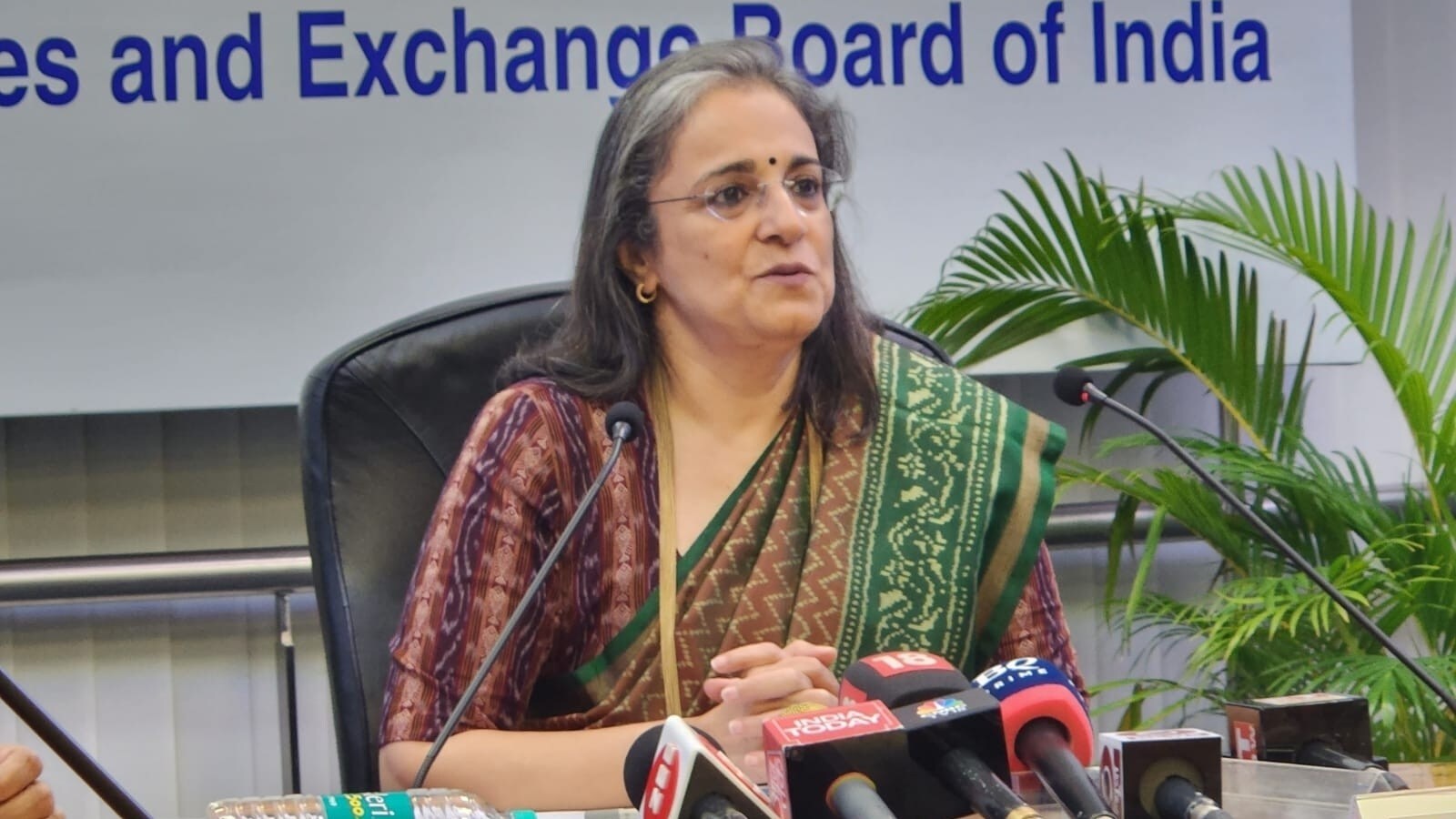
Earlier this week, the Indian markets regulator's chief said that it is considering bringing in a 'when-listed' mechanism, which will likely regulate India's market for IPO shares before they are listed.
"Trading of 'when-listed' securities is something we are actively looking at with both the exchanges," Madhabi Puri Buch said at an event on Jan. 21. "We feel that if anyway investors want to do [curb trading], why not give them that opportunity in a proper regulated way?"
Through this new proposed mechanism, the Securities and Exchange Board of India will look at regulating the frenzied trade that takes place in the three days between an IPO stock's allotment and its listing.
The pre-IPO market is different than the traditional 'grey market', even though both terms are associated with market operations taking place outside of formal oversight.
While the grey market has long been a parallel platform for trading shares, largely through cash transactions, a pre-IPO market deals with the buying and selling of stocks right before their official listing.
Three brokers who spoke to NDTV Profit on conditions of anonymity explained the dynamics of this market.
An Exclusive Club
India's pre-IPO market is an exclusive club. Unless you come with an existing trader's reference, you can't get in, a broker told NDTV Profit.
Once a trader is in, they can buy and sell shares that are available with other traders through brokers specialising in such dealings. The broker can offer shares that are up for an IPO in lots of varying sizes, from as small as Rs 1,000 going up to Rs 10 lakh.
Before an IPO opens, shares are made available by individuals who have had pre-IPO allotment, such as those who have ESOPs to their name and are looking to profit off of them, a second broker told NDTV Profit.
Brokerages for the trades can vary anywhere between 1-2% of the investment, changing on a stock-to-stock and broker-to-broker basis. This is significantly higher than the typical 0.01% to 0.02% fees that brokers in the regulated stock market charge.
The trades are settled once every week, usually on Saturdays, but this duration can shorten as the IPO's opening date draws near. As the IPO opens, individuals subscribe to shares and simultaneously offer them to their broker, usually at a premium to the upper price band—the so-called grey market premium.
The hope is to offer their shares at a premium higher than what they expect the listing premium to be and thus pocket the difference, usually in cash, explained a third broker.
Once such a retail investor gets allotted the shares, they then transfer them to the broker at the predetermined premium.
Will SEBI's Mechanism Take Wing?
In March 2024, Buch had told reporters about the heightened activity in the pre-IPO grey market being a matter of concern. But in her most recent comment, she gave no details on how the proposed mechanism will be formulated or by when.
A former SEBI official told NDTV Profit that the regulator's ambit will need to be increased in order for the proposed mechanism to take shape. Current regulations only apply to listed securities. We have to wait and see what the regulator is proposing for monitoring the unlisted market, this official explained.
Two of the three brokers NDTV Profit talked to said that they don't expect the mechanism to be immediately popular since traders will want to keep their profits off-record.
Big-ticket traders will still continue outside the purview of any regulated pre-IPO mechanism, as most of them want to retain the advantages of a cash-based system, the first broker elaborated.
The former SEBI official also said that Buch's comment comes at a time of heightened IPO activity, where grey market premiums have become an important factor that retail investors look out for.
The former official also highlighted increasing pump-and-dump IPOs in a capital market that continues to see an appetite for newly-listed stocks. In fact, the Association of Investment Bankers of India sees 1,000 stock debuts over the next two years.

-
Why Swapping Your Old Gold Can Trigger A Rs 5 Lakh Tax Bill, And How You Can Avoid It Legally

Swapping old gold for new is taxed as a sale and a fresh purchase. Getting your own gold remade can cut most of that bill, though it has its own costs.
-
The AI Trade is Done. The Real Opportunity for Investors Starts in 2027 | Unhedged Position
As pureplay AI stocks plunge and circular, capex-led financing unwinds, 2027 is set to be a year of reckoning for AI companies. Yet the bust clears the way for a better opportunity for investors in 2027 -- shifting the spotlight from AI builders to the companies using AI.
-
Leadership As Mission: Why The Age Of AI Demands More Human Leadership
Debjani Ghosh examines how AI is changing leadership, arguing that its success must be measured by its impact on people and the accountability of those guiding its use.
-
We May Need Another Tukaram Mundhe To Fight Air Pollution | The Reason Why
Developers may install basic measures such as sprinklers and green nets, resume work, and continue violating rules when this equipment stops working.
-
Extracting Value From Battery Scrap Could Be Challenging For India | The Reason Why
A discarded lithium-ion battery still contains valuable materials such as lithium, nickel and cobalt. These can be recovered and reused. When such batteries are crushed and shredded, they produce a dark powder called black mass.
-
One El Nino, India Can Handle. Two Could Break The Granary
India's grain stocks can absorb one bad year, but a second El Nino could drain the buffer in two to three years, economists say.
-
India's Troika Of Good Luck | Joining The Dots
As Jensen Huang's exit drags Nvidia down, a cooling AI trade and resilient earnings have revived investor interest in India. A likely RBI rate hike looms.
-
Talking Points This Week: Leadership Shock At Nvidia, Earnings Strength, And The Fog Over Hormuz
The Anthropic IPO pricing and first trading day, Nvidia's upcoming earnings, and any fresh signals from Iran will set the tone for the following week.
-
Signature Play: The Classic Cocktail Is Dead. Or Is It?
Classic cocktails are disappearing from India's cocktail menus. But they're still being ordered, taught to bartenders and borrowed from. So, who's really having the last drink?
-
A New Samvat Wishlist: Inclusive Prosperity And Human Development
India has strengthened its economic foundations through infrastructure, digital access and enterprise. Its next growth chapter must deepen productivity, create better livelihoods and widen participation in prosperity.









