SEBI Issues New Rules To Streamline Mutual Fund Schemes
- Schemes to be categorized into 5 groups - equity, debt, hybrid, solution oriented and other schemes
- Specified period of lock in for solution oriented schemes
- Large cap, mid cap and small cap defined to ensure uniformity
- Only one scheme per category permitted except for Index Funds/ETFs, Fund of Funds and Sectoral/Thematic Funds
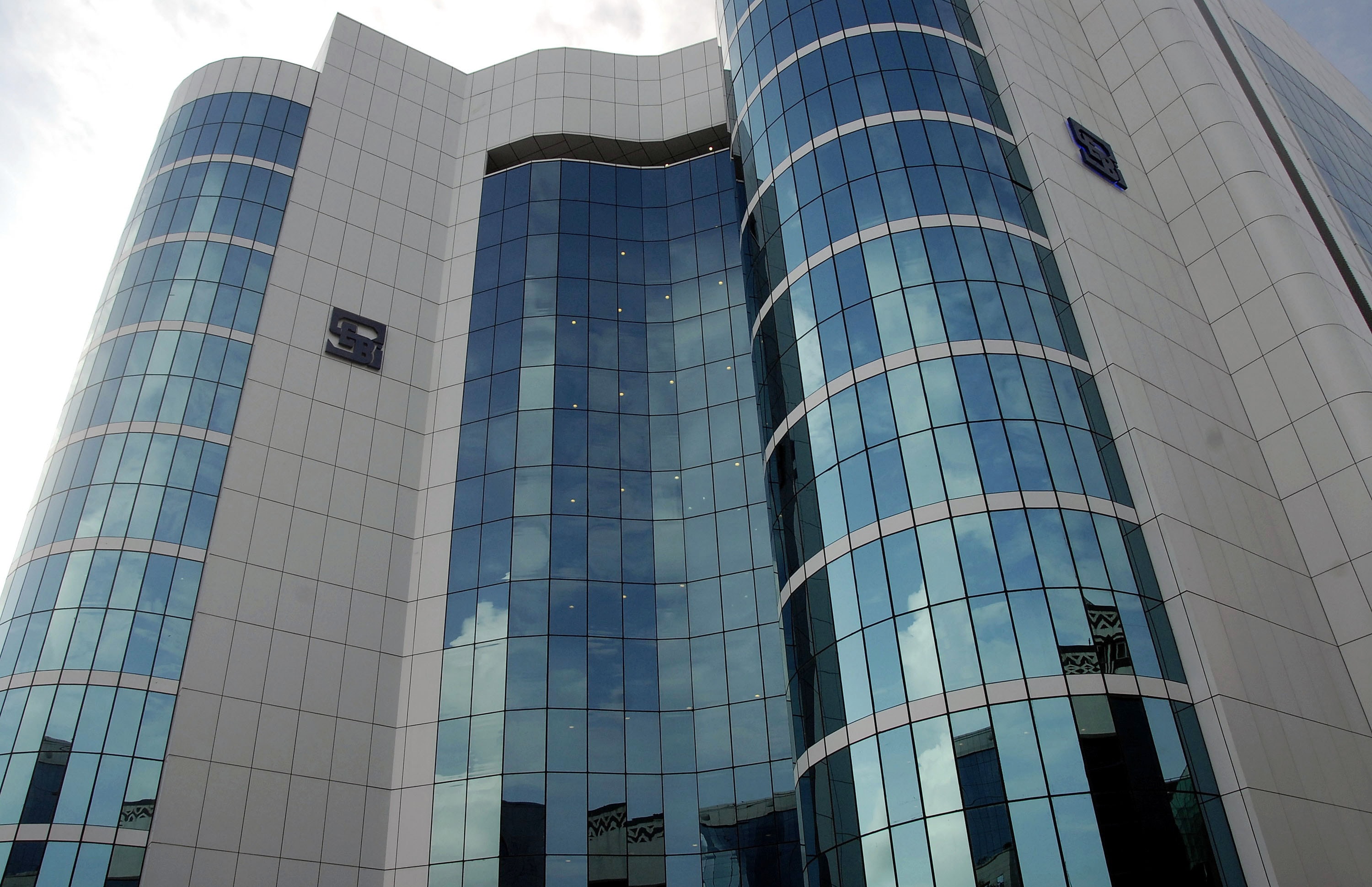
Market regulator SEBI today asked mutual funds to categorise all their schemes within five baskets, a move that will weed out the practice of multiple funds being launched on similar themes.
The schemes will be broadly classified in five groups – equity, debt, hybrid, solution oriented and other schemes, Securities and Exchange Board of India said in a circular.
SEBI asked mutual funds to ensure that schemes devised under the news norms should not result in duplication of other plans offered by them.
Only one scheme per category would be permitted except index funds, exchange traded funds tracking different indices; fund of funds having different underlying schemes; sectoral or thematic funds investing in different themes.
Mutual funds will be required to analyse each of their existing schemes in light of these categories and submit their proposals to SEBI after obtaining due approvals from their trustees as early as possible, but not later than two months. The fund houses will have to carry out the necessary changes in all respects within a maximum period of three months.
Read: Bring In Discipline Before Good Time Runs Out, SEBI Tells Mutual Funds
SEBI said it is desirable that different schemes launched by a mutual fund are clearly distinct in terms of asset allocation, and investment strategy. Further, there is a need to bring in uniformity in the characteristics of similar type of schemes launched by different mutual funds.
The move will ensure that an investor of mutual fund is able to evaluate the different options available, before taking an informed decision to invest in a scheme.
The circular will apply to all existing open ended schemes of all mutual funds; all such open ended schemes where SEBI has issued final observations but have not yet been launched; and all open-ended schemes in respect of which draft scheme documents have been filed with the regulator.
In order to ensure uniformity in respect of the investment universe for equity schemes, SEBI has decided to define large cap, mid cap and small cap. Top 100 companies in terms of market capitalisation will come under the large cap segment, while the 101st to 250th firms will be mid cap and 251st company onwards, in terms of market capitalisation, will be small cap.
Also Read: SEBI's Corporate Governance Committee Proposes, Government Opposes

-
The Economic Imperative: Analysing The Material Driving Force Behind India-Canada Strategic Reset

This economic complementarity is further reinforced by deep institutional investment ties and talent mobility, which form the bedrock of the bilateral framework.
-
Medicine Pricing: Where Must Profit Stop?
India must confront excessive margins, hidden incentives and regulatory gaps that threaten the integrity of medicine.
-
Why Amazon And Flipkart Are Struggling To Beat Meesho In India's Smaller Cities
With 274 million users and lowest-cost logistics, Meesho is defending its value commerce crown against giants like Amazon and Flipkart.
-
High US Salaries, No Green Card Certainty: The Financial Calculation Facing Indian H-1B Families
The suspension of PERM processing at eight technology employers does not cancel existing H-1B visas. What it does is force a question many Indian families have been avoiding: is the US salary worth tying your career and family plans to one employer?
-
Swiggy vs Eternal: Food Delivery's Two Rivals Are No Longer In The Same Race
Eternal is building a private AI assistant, dark.ai. Swiggy is still working out how to make Instamart pay, with an operating loss of Rs 895 crore in the July-September quarter while Blinkit stayed profitable.
-
Where You Live Shapes How You Get To Work | The Reason Why
Two-wheelers are the most popular way to get to work in India, accounting for nearly 43% of workplace commutes.
-
Unhedged Position: Can India See An Indonesia-Style Time Correction?
The Nifty is trading below levels it first clocked in 2024. Is there, then, as I have suggested in the headline, potential that the current time correction drags on painfully for the next three-five, even ten years?
-
Navigating Friction And Energy Realities: An Analysis Of Marco Rubio's October Visit To India
Occurring at a critical juncture marked by stalled trade negotiations and escalating geopolitical pressures over global energy supplies, the visit offers a profound window into modern US-India relations.
-
India Exports Capital. Why Not Export Trusteeship?
The big question, then, is whether India can build an institution that global borrowers, investors, banks, and lawyers can trust, even without an Indian connection.
-
France's Economy & Politics Are In Crisis | The Reason Why
Let's look at how the French economy and politics evolved under Nicolas Sarkozy, Franois Hollande and Emmanuel Macron.










