SEBI Action Against ICICI Prudential Mutual Fund Is A ‘Big Lesson’: Dhirendra Kumar
.jpg?downsize=1010:568 "SEBI Action Against ICICI Prudential Mutual Fund Is A ‘Big Lesson’: Dhirendra Kumar")
By penalising ICICI Prudential Mutual Fund, the market regulator has sent a message to the entire fund industry to act responsibly, said Dhirendra Kumar, founder and chief executive officer of Value Research, to BloombergQuint. “This is a big lesson”.
Kumar was commenting on a report by news agency PTI that the Securities and Exchange Board of India found ICICI Prudential Mutual Fund had bailed out the initial public offer of group company ICICI Securities Ltd.
The mutual fund applied for Rs 400 crore worth of shares on day one of the offer. And on the last day, it applied for another Rs 240-crore shares. This was “a clear indication of facilitating subscription in the QIB portion so that the issue does not fail,” PTI reported quoting a SEBI letter to ICICI Pru MF.
If the last day subscription by ICICI Mutual Fund is not considered, the total qualified institutional buyer subscription would have amounted to 70.11 percent of the offer size as against the required 75 percent for the issue to be successful in terms of SEBI's regulation. - PTI Report
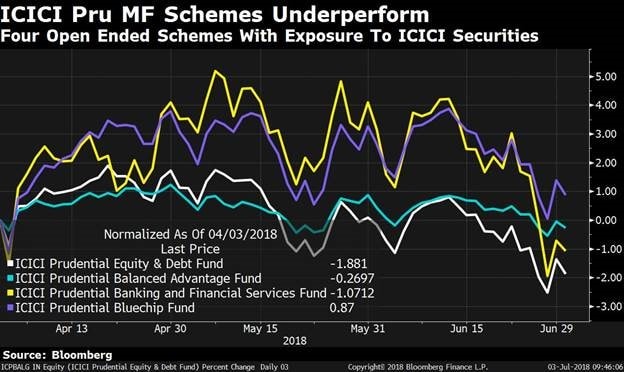
SEBI has asked the fund house to pay back Rs 240 crore, with 15 percent interest, to its five schemes from which the money was taken for the IPO subscription. It has also been asked to recompense unitholders, who redeemed their units after allotment of ICICI Securities shares, for the loss incurred by the schemes due to a fall in the ICICI Securities share price since listing.
It is clearly a signal that fund companies are being reminded that they are managing other people's money and they have to act differently. That responsibility has been compromised.Dhirendra Kumar, Founder & CEO, Value Research
The SEBI order clearly shows that the investment decision of ICICI Prudential AMC was not guided by the philosophy of investment, but it was to support the public offer of its sister concern, said J N Gupta, founder of proxy advisory firm Stakeholders Empowerment Services. It needs to be reiterated that a regulated entity should not walk on thin ice, he added.
On the compensation mechanism, Kumar said since ICICI Securities had issued the shares against the money received, the cost of the refund to unitholders will have to be borne by ICICI Prudential Asset Management Company.
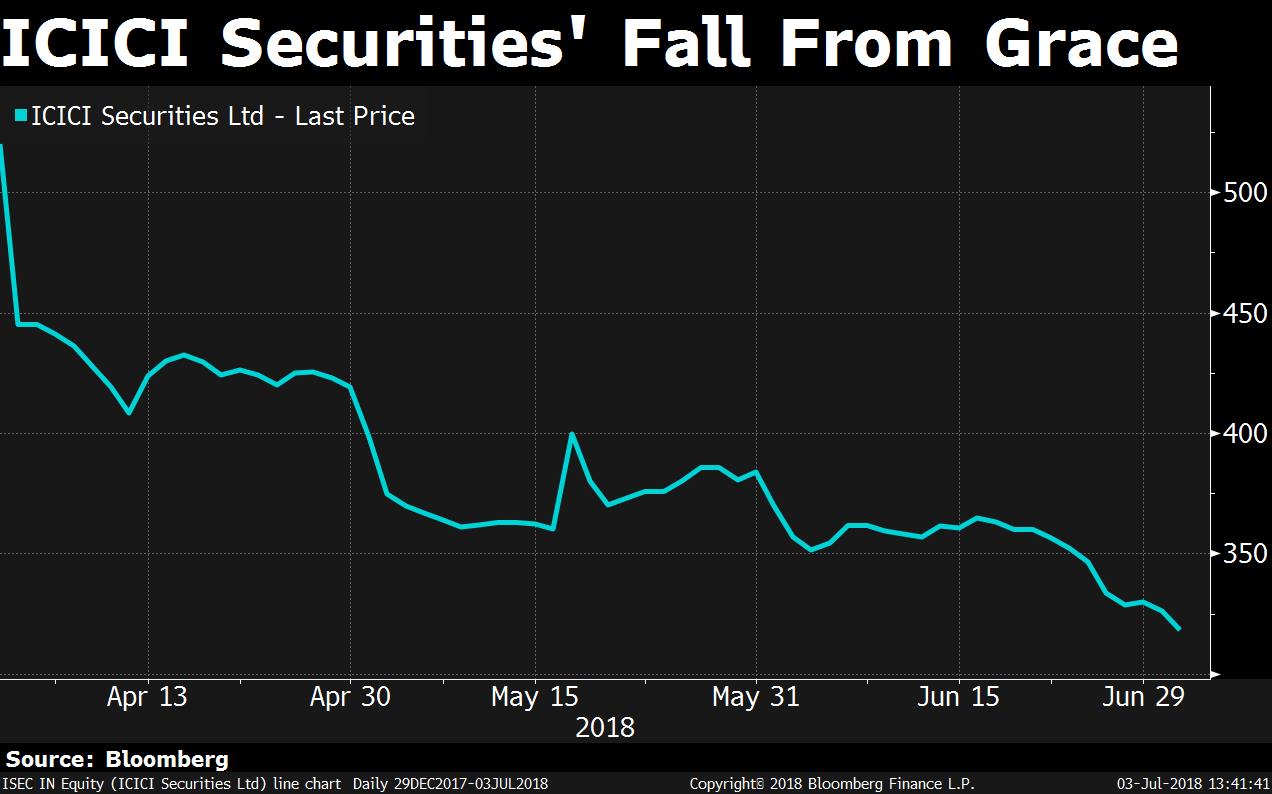
The SEBI action has raised two important points.
- Had the ICICI Securities share price not declined after the IPO listing, would SEBI have taken similar action against the fund house?
“Everything would have been different if the issue was trading at a premium,” Kumar said in an interview to BloombergQuint.
- Had ICICI Prudential MF not invested on the last day, the ICICI Securities IPO would have likely failed. What further action should the regulator take?
ICICI Prudential is addressing the matter to the satisfaction of the regulator, the AMC said in a reply to BloombergQuint's emailed query. “We remain fully committed to investors' interest.”
Watch the full interview with Dhirendra Kumar of Value Research here.

-
Indians Stay With Family, Not In Hotels | The Reason Why

India still lacks enough clean, reliable and affordable hotels for budget-conscious travellers.
-
The Economic Imperative: Analysing The Material Driving Force Behind India-Canada Strategic Reset
This economic complementarity is further reinforced by deep institutional investment ties and talent mobility, which form the bedrock of the bilateral framework.
-
Medicine Pricing: Where Must Profit Stop?
India must confront excessive margins, hidden incentives and regulatory gaps that threaten the integrity of medicine.
-
Why Amazon And Flipkart Are Struggling To Beat Meesho In India's Smaller Cities
With 274 million users and lowest-cost logistics, Meesho is defending its value commerce crown against giants like Amazon and Flipkart.
-
High US Salaries, No Green Card Certainty: The Financial Calculation Facing Indian H-1B Families
The suspension of PERM processing at eight technology employers does not cancel existing H-1B visas. What it does is force a question many Indian families have been avoiding: is the US salary worth tying your career and family plans to one employer?
-
Swiggy vs Eternal: Food Delivery's Two Rivals Are No Longer In The Same Race
Eternal is building a private AI assistant, dark.ai. Swiggy is still working out how to make Instamart pay, with an operating loss of Rs 895 crore in the July-September quarter while Blinkit stayed profitable.
-
Where You Live Shapes How You Get To Work | The Reason Why
Two-wheelers are the most popular way to get to work in India, accounting for nearly 43% of workplace commutes.
-
Unhedged Position: Can India See An Indonesia-Style Time Correction?
The Nifty is trading below levels it first clocked in 2024. Is there, then, as I have suggested in the headline, potential that the current time correction drags on painfully for the next three-five, even ten years?
-
Navigating Friction And Energy Realities: An Analysis Of Marco Rubio's October Visit To India
Occurring at a critical juncture marked by stalled trade negotiations and escalating geopolitical pressures over global energy supplies, the visit offers a profound window into modern US-India relations.
-
India Exports Capital. Why Not Export Trusteeship?
The big question, then, is whether India can build an institution that global borrowers, investors, banks, and lawyers can trust, even without an Indian connection.










