Why The Oil Price Rise Isn’t Pinching You More
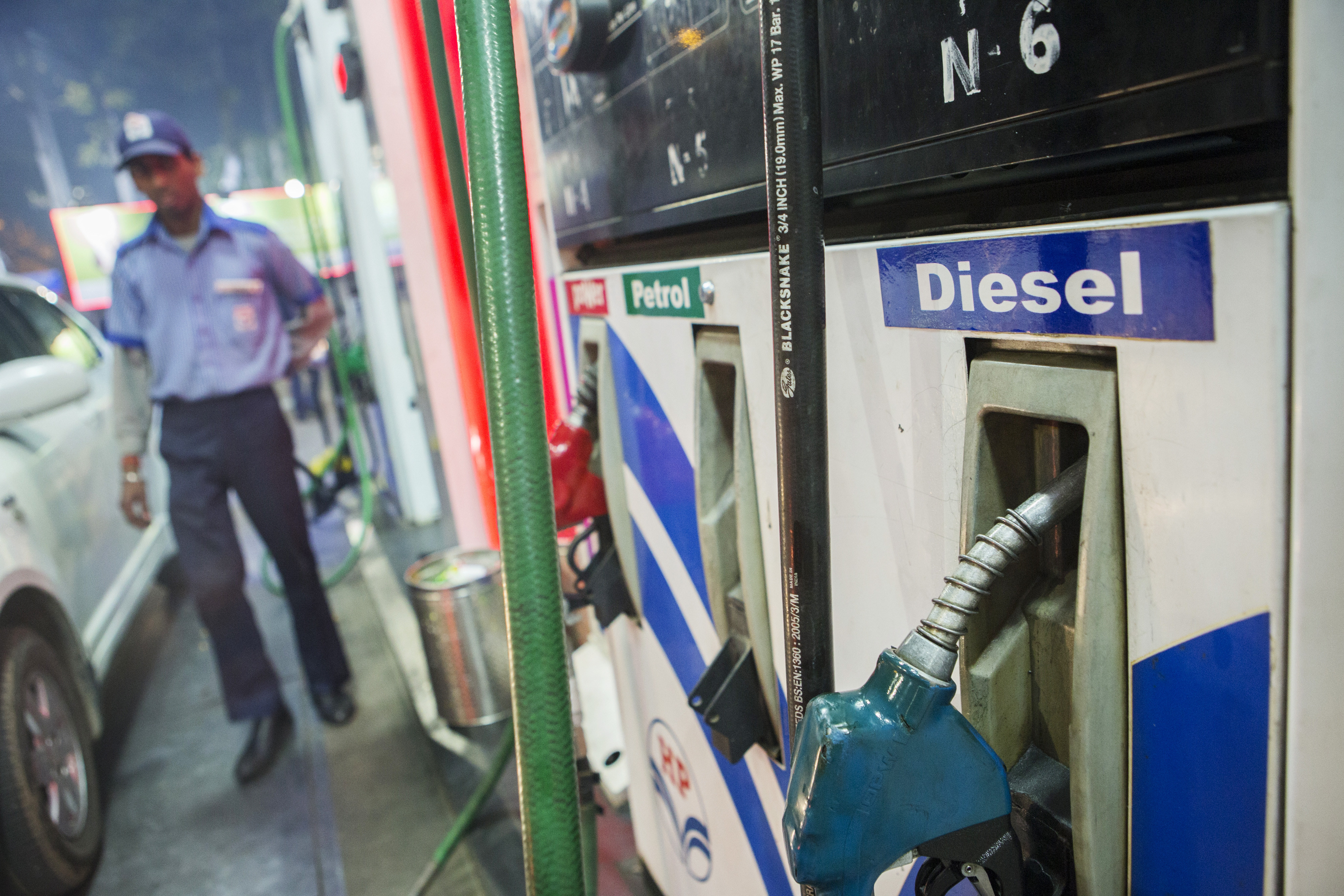
Think fuel prices are high? They would have burnt a deeper hole in your pocket if not for oil refiners and marketers, with some help from the government.
Retail fuel prices have not kept pace with the oil surge in the last six months. Petrol and diesel prices rose 9-11 percent during the period even as Brent crude, the Asian benchmark, jumped 45 percent to a three-year high of around $69 a barrel.

Also Read: Oil Set For 4th Weekly Gain As U.S. Glut Eases On Winter Decline
That's because oil marketing companies like Hindustan Petroleum Corporation Ltd., Bharat Petroleum Corporation Ltd. and Indian Oil Corporation Ltd. chose to lower margins instead of increasing prices. For those unaware, India has deregulated fuel prices. Which means they are linked to market rates and change—or should change—every day.

India imports about 80 percent of the oil consumed in Asia's third-largest economy. Government levies kept the prices high even as Brent retreated from $115 a barrel about four years to ago to below $30 in early 2016. The fossil fuel began rallying again on production cuts by the Organization of Petroleum Exporting Countries in January last year. Low inventories in the U.S., the biggest consumer of fossil fuels, and geo-political tensions aided its rise.
Lower Marketing Margins
Indian oil marketers didn't hike prices proportionately. That hurt their margins, which reduced from Rs 3.6 a barrel for petrol and Rs 3.3 for diesel in July last year to about Rs 1 for both in December. Marketing margins is the difference between the cost to produce fuel and the price charged to dealers.

Excise Cut By Government
Even the government gave up on part of its income. On Oct. 3, it lowered excise duty on petrol and diesel by Rs 2 each. But the central levy on fuels is still twice of what was charged three years ago. (Read more about it here)
Stronger Rupee
Refiners pay in dollars to import fuel. Since the rupee strengthened 1.3 percent against the greenback in the past six months, it eased the burden as they paid less in rupees for every barrel of fuel purchased.
Falling Demand
Demand for petrol and diesel slowed down last year, keeping prices in check. Fuel consumption rose 4 percent in 2017. That compares with 7 percent growth in each of the previous two years.


-
Talking Points This Week: Leadership Shock At Nvidia, Earnings Strength, And The Fog Over Hormuz

The Anthropic IPO pricing and first trading day, Nvidia's upcoming earnings, and any fresh signals from Iran will set the tone for the following week.
-
Signature Play: The Classic Cocktail Is Dead. Or Is It?
Classic cocktails are disappearing from India's cocktail menus. But they're still being ordered, taught to bartenders and borrowed from. So, who's really having the last drink?
-
A New Samvat Wishlist: Inclusive Prosperity And Human Development
India has strengthened its economic foundations through infrastructure, digital access and enterprise. Its next growth chapter must deepen productivity, create better livelihoods and widen participation in prosperity.
-
Love, Sex Aur Dhokha: The Audacious Plot To Spy On Jensen Huang
A Taipei dinner, a Singapore chip buyer and a suspected Chinese asset: inside the alleged spy operation that got close to NVIDIA's Jensen Huang.
-
Ten Things I Learnt This Samvat
Patience can be a trap. Cheap stocks can stay cheap. Leverage can wipe you out. What did Samvat 2082 teach us? Niraj Shah writes on 10 lessons from the year gone by.
-
Talking Points This Week: Tech Nerves, FII Buying, And A Faraway Banking Shock
The global markets are not shining this Diwali. The exception in the large markets is, India.
-
Midterm Rally Lasted A Day. The Hard Reality Of A Divided US May Last Two Years | Opinion
Between a contested AI boom, a debt ceiling that arrives in 2027 and a president with every incentive to act alone, the next two years may prove more volatile than the first day's rally suggests.
-
Blue Wave Will Derail the AI Trade but Won't Dismantle the AI Era | Unhedged Position
The Democrats' sweep of the US Congress will see politics collide with economic forces both over the long and short term.
-
It's Time To Take The GST Council's Bet On Trust Global
Payment records can prove India's services exports, and clear, proportionate rules can bring foreign digital sellers into the tax net.
-
Opinion | India at 38: From Innovation Overperformer to Innovation Powerhouse
India now has 453 VC-backed deep science startups, 18 of them late-stage, after 117 percent growth since 2020. Laurus Labs, at USD 9.3 billion, is the most valuable deep science company in any middle-income economy outside China.









