Oil Slides To Four-Year Low On Hit From Tariffs And OPEC Supply
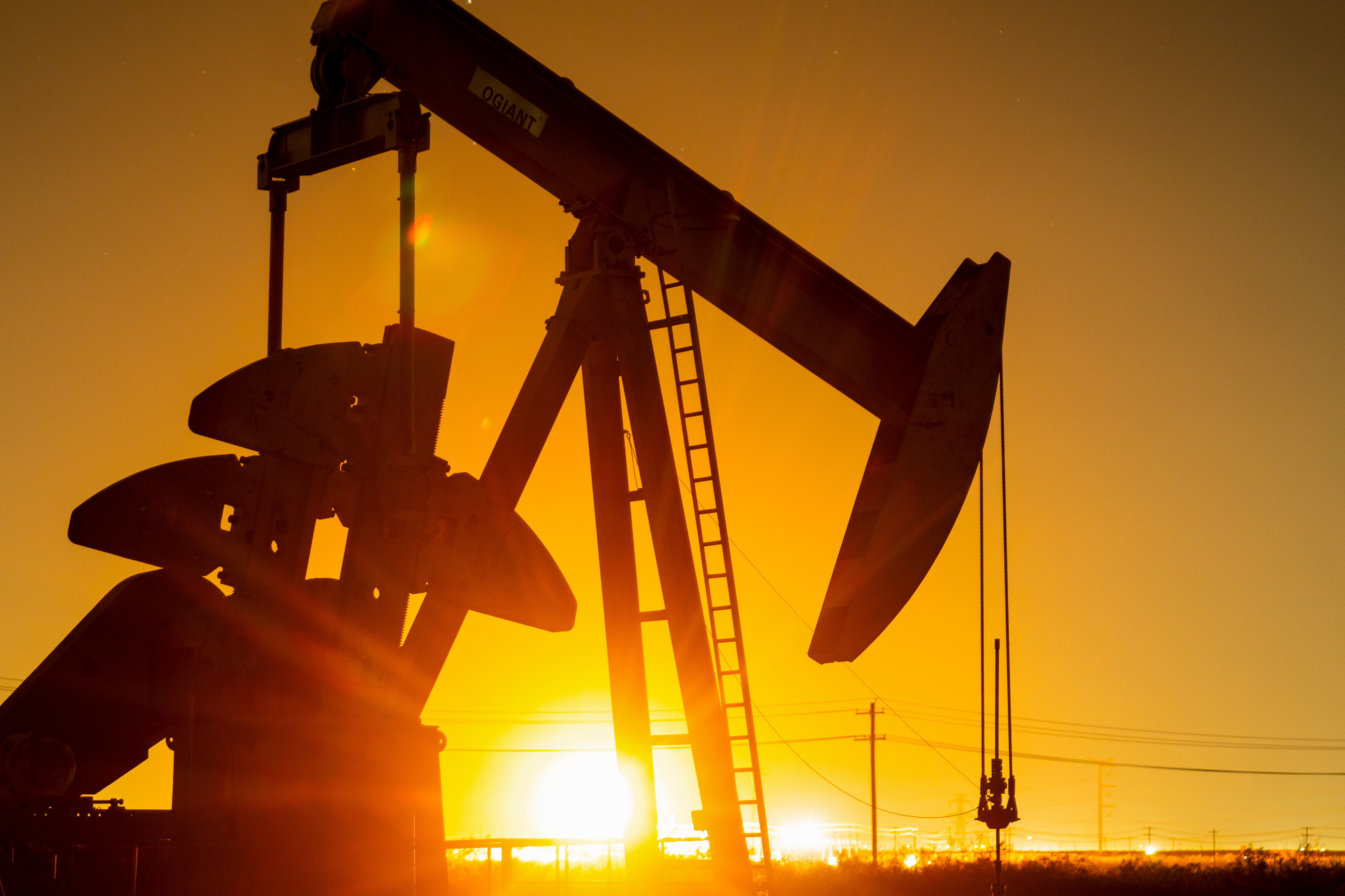
Oil tumbled to the lowest in four years, following a surprise output increase by OPEC+ and a rapidly escalating global trade war that's also rattling commodities markets from metals to gas.
Oil's rout was triggered Thursday by a deluge of tariffs from US President Donald Trump, which threaten both global economic growth and consumption. Hours later, OPEC+ tripled a planned output hike for May, in what delegates called a deliberate effort to drive down prices to punish members pumping above their quota.
Benchmark Brent has lost 14% in just two days — falling below $65 a barrel — while US futures have also hit the lowest since 2021. The losses were exacerbated on Friday by China's retaliation against US duties, worsening a trade war that's threatening the global economy and demand for raw materials. Beijing will impose a 34% tariff on all imports from the US starting April 10.
Other commodities also slumped as broader financial markets took a hit. Copper slid as much as 5.1% to the lowest since January, while benchmark European natural gas futures tumbled almost 10%. Glencore Plc plunged 11%, with fellow major miners BHP Group and Rio Tinto Group also sliding.

Oil's retreat marks a fresh attempt to break out of the $15 trading range of the past six months. During that period, OPEC+ supply curbs were seen to put a floor under the market, while the group's ample spare capacity acted as a ceiling. This week's unexpected production increase raises questions about whether the alliance will continue to defend higher prices.
The dual hit from OPEC+ and tariffs has prompted a rush by traders and Wall Street banks to reassess their outlook for the market. Goldman Sachs Group Inc. and ING Groep NV are among those lowering their price forecasts, citing risks to demand and higher supplies from the producer group.
“The two key downside risks we have flagged are realizing: namely tariff escalation and somewhat higher OPEC+ supply,” Goldman analysts including Daan Struyven wrote in a note. “Price volatility is likely to stay elevated on higher recession risk.”
The pullback has also had a broader impact on key market gauges. Timespreads softened in a sign of expected looser balances, particularly further along the futures curve. At the same time, bearish oil options volumes soared to the highest level on record.
Still, wider supply risks remain. The Trump administration has threatened a maximum-pressure policy on oil-producing nations that are subject to US sanctions, including Iran and Venezuela. Any retreat in prices offers a bigger opportunity to restrict output in those nations without having an inflationary price spike.
“With potential supply disruptions stemming from sanctions and tariffs — on both sellers and buyers — oil prices are unlikely to stay below $70 for long,” said Mukesh Sahdev, global head of commodity markets at Rystad Energy.
Prices:
Brent for June settlement was down 7.7% at $64.73 a barrel as of 12:34 p.m. in London.
West Texas Intermediate for May delivery dropped 8.4% to $61.35 a barrel.

-
Getting To Work Costs Women More | The Reason Why

It is not just about women paying more than men. It is about women paying much more in cities than in villages.
-
AI Bias In Investing Cannot Be Eliminated, But It Can Be Governed
Framing is a particularly important example as identical financial information presented in terms of gains rather than losses can lead an LLM to reach a different assessment.
-
Joining The Dots | Dark Skies, Steady Diya: Why Hope Holds This Diwali
With war, a weak rupee and foreign outflows weighing on sentiment, policymakers at the NDTV World Summit and market veterans at NDTV Profit Ignite: Diwali Edition offered the same advice: stay invested and filter out the noise.
-
The Curious Case of Equitas Small Finance Bank And A CEO Who Quit For Stock
PN Vasudevan believes persistent investor concerns over a perceived conflict of interest had become a governance overhang on Equitas Small Finance Bank's stock, even as the lender improved profitability and asset quality.
-
Talking Points This Week: AI Cash Burn, A Tiger Comeback And An India That Still Finds Its Own Path
India is not immune to higher oil or tighter global liquidity, yet its earnings base is broader, its domestic policy levers are still available.
-
Foreign Investors Own Half Of HDFC Bank and ICICI Bank. An LTCG Cut Could Matter Most Here
Foreign portfolio investors have US$115 billion parked in HDFC Bank, ICICI Bank. If the government cuts long-term capital gains tax, Jefferies says returning foreign money could land here first.
-
'Never Seen This Level Of Negativity': Sandeep Tandon Says The Next Rally May Be Closer Than You Think
Veteran investor Sandeep Tandon says foreign selling is easing, large-caps are due a comeback and mid-caps are crowded, while he turns positive on gold, power and pharma this Diwali.
-
Indians Stay With Family, Not In Hotels | The Reason Why
India still lacks enough clean, reliable and affordable hotels for budget-conscious travellers.
-
The Economic Imperative: Analysing The Material Driving Force Behind India-Canada Strategic Reset
This economic complementarity is further reinforced by deep institutional investment ties and talent mobility, which form the bedrock of the bilateral framework.
-
Medicine Pricing: Where Must Profit Stop?
India must confront excessive margins, hidden incentives and regulatory gaps that threaten the integrity of medicine.










