Oil Holds Losses Near Three-Month Low After OPEC+ Signals Hike
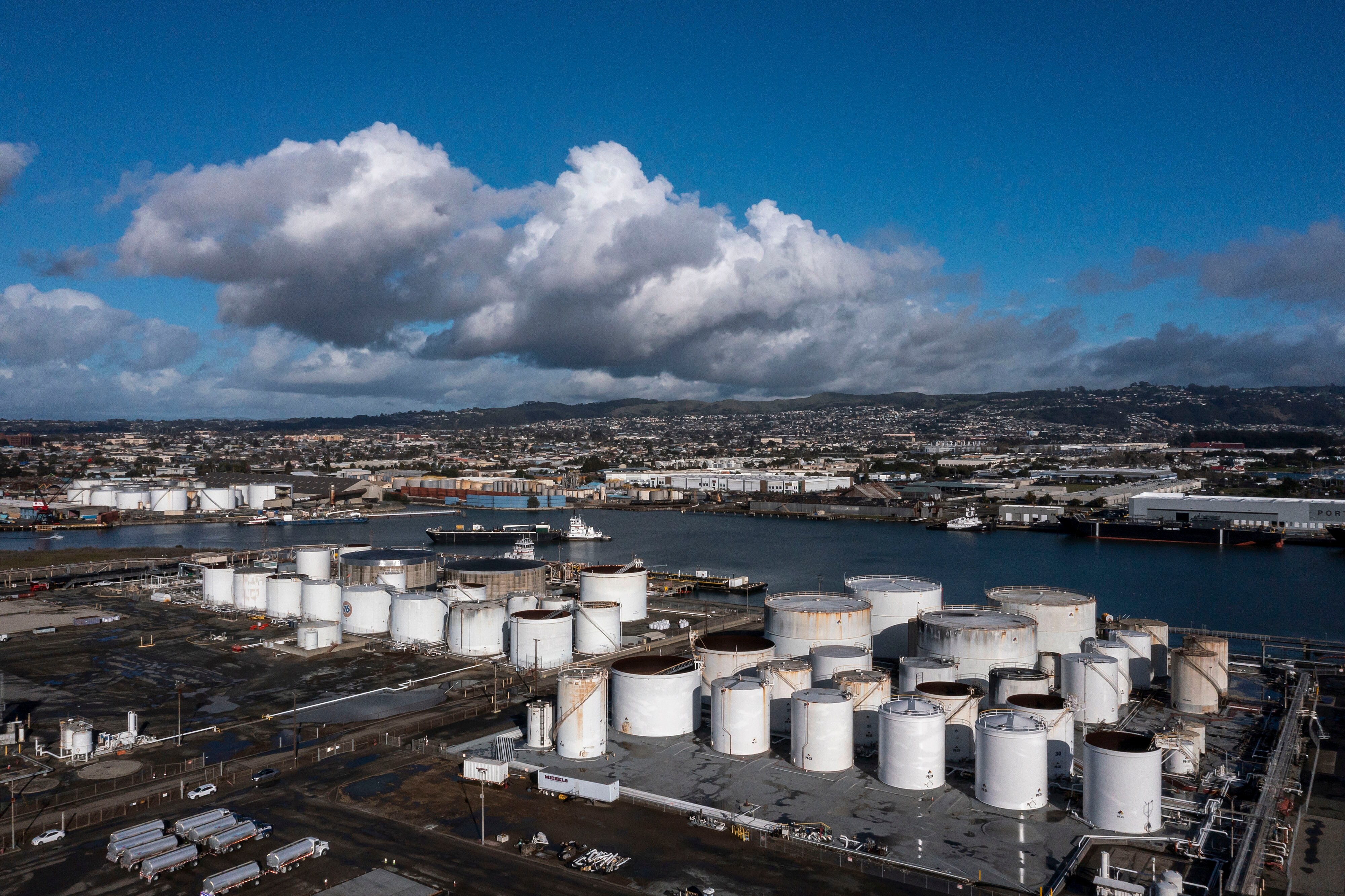
Oil held near the lowest in almost three months after OPEC+ signaled plans to revive halted production, just as the Trump administration threatens trade wars on multiple fronts.
West Texas Intermediate was near $68 a barrel after dropping 2% on Monday, while Brent closed below $72. In a surprise move, the producer group will start increasing output in April following repeated delays, though OPEC+ said the boost could be paused or reversed subject to market conditions.

Global oil markets face a supply surplus this year, even if OPEC+ keeps output flat, the International Energy Agency said in a report last month. The cartel, led by Saudi Arabia and Russia, plans to increase production by 138,000 barrels a day, according to a statement posted on its website.
Oil has trended lower since mid-January on concerns about lackluster demand and the fallout from President Donald Trump's trade policies. US tariffs on its trading partners — China, Canada and Mexico — come into effect on Tuesday, and the market will be watching for any retaliatory measures.
China is considering actions targeting American agriculture and food products, according to the Global Times, a Communist Party-backed news outlet, while Canada's foreign minister said the nation has prepared a sweeping package of counter-tariffs against US-made products.
Trump's executive order calls for 25% levies against most of what the US imports from Canada and Mexico, and 10% on Canadian energy such as crude. While Mexico could reroute flows to Asia and Europe, Canada is, by most measures, stuck with selling the majority of its oil to American refiners.
© 2025 Bloomberg L.P.

-
Foreign Investors Own Half Of HDFC Bank and ICICI Bank. An LTCG Cut Could Matter Most Here

Foreign portfolio investors have US$115 billion parked in HDFC Bank, ICICI Bank. If the government cuts long-term capital gains tax, Jefferies says returning foreign money could land here first.
-
'Never Seen This Level Of Negativity': Sandeep Tandon Says The Next Rally May Be Closer Than You Think
Veteran investor Sandeep Tandon says foreign selling is easing, large-caps are due a comeback and mid-caps are crowded, while he turns positive on gold, power and pharma this Diwali.
-
Indians Stay With Family, Not In Hotels | The Reason Why
India still lacks enough clean, reliable and affordable hotels for budget-conscious travellers.
-
The Economic Imperative: Analysing The Material Driving Force Behind India-Canada Strategic Reset
This economic complementarity is further reinforced by deep institutional investment ties and talent mobility, which form the bedrock of the bilateral framework.
-
Medicine Pricing: Where Must Profit Stop?
India must confront excessive margins, hidden incentives and regulatory gaps that threaten the integrity of medicine.
-
Why Amazon And Flipkart Are Struggling To Beat Meesho In India's Smaller Cities
With 274 million users and lowest-cost logistics, Meesho is defending its value commerce crown against giants like Amazon and Flipkart.
-
High US Salaries, No Green Card Certainty: The Financial Calculation Facing Indian H-1B Families
The suspension of PERM processing at eight technology employers does not cancel existing H-1B visas. What it does is force a question many Indian families have been avoiding: is the US salary worth tying your career and family plans to one employer?
-
Swiggy vs Eternal: Food Delivery's Two Rivals Are No Longer In The Same Race
Eternal is building a private AI assistant, dark.ai. Swiggy is still working out how to make Instamart pay, with an operating loss of Rs 895 crore in the July-September quarter while Blinkit stayed profitable.
-
Where You Live Shapes How You Get To Work | The Reason Why
Two-wheelers are the most popular way to get to work in India, accounting for nearly 43% of workplace commutes.
-
Unhedged Position: Can India See An Indonesia-Style Time Correction?
The Nifty is trading below levels it first clocked in 2024. Is there, then, as I have suggested in the headline, potential that the current time correction drags on painfully for the next three-five, even ten years?










