NSE IPO May Take Off Around Diwali? SEBI No Objection To Come Post Settlement
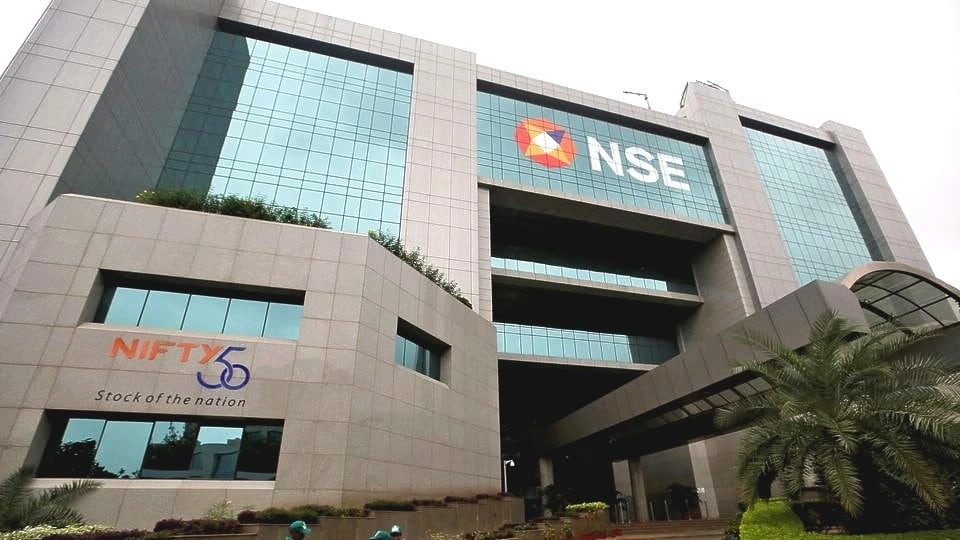
The National Stock Exchange is inching closer to its long-pending initial public offering, which could materialise around Diwali, subject to regulatory clearance. A crucial step remains — securing a No Objection Certificate from the Securities and Exchange Board of India.
SEBI's NoC, a mandatory requirement for Market Infrastructure Institutions to list publicly, will only be considered after the conclusion of an ongoing settlement process involving the exchange.
NSE has proposed a Rs 1,600 crore payout to settle regulatory proceedings related to past compliance lapses — the largest settlement amount ever offered to SEBI. The proposal is currently under examination by a High-Powered Advisory Committee, which will submit its recommendation to SEBI's Whole-Time Member for a final decision.
Once the WTM clears the proposal, SEBI is expected to issue a formal settlement order. Only after this order is finalised will the market regulator take up NSE's request for a NoC, paving the way for the IPO.
According to sources familiar with the matter, the entire process could take up to two months, aligning the timeline with the festive season.
“The NoC is a non-negotiable requirement under SEBI regulations for MIIs seeking to go public. Until the settlement is completed and the order is issued, the process cannot move forward,” said a person aware of the development.
The IPO of NSE, one of India's most prominent financial institutions, has been on hold for several years due to unresolved legal issues including Co-location and Dark Fiber. With the proposed settlement now on the table, this marks a significant step towards resolution and potential listing.
If cleared, NSE's listing would be among the most anticipated public offerings in the Indian capital markets.

-
We May Need Another Tukaram Mundhe To Fight Air Pollution | The Reason Why

Developers may install basic measures such as sprinklers and green nets, resume work, and continue violating rules when this equipment stops working.
-
Extracting Value From Battery Scrap Could Be Challenging For India | The Reason Why
A discarded lithium-ion battery still contains valuable materials such as lithium, nickel and cobalt. These can be recovered and reused. When such batteries are crushed and shredded, they produce a dark powder called black mass.
-
One El Nino, India Can Handle. Two Could Break The Granary
India's grain stocks can absorb one bad year, but a second El Nino could drain the buffer in two to three years, economists say.
-
India's Troika Of Good Luck | Joining The Dots
As Jensen Huang's exit drags Nvidia down, a cooling AI trade and resilient earnings have revived investor interest in India. A likely RBI rate hike looms.
-
Talking Points This Week: Leadership Shock At Nvidia, Earnings Strength, And The Fog Over Hormuz
The Anthropic IPO pricing and first trading day, Nvidia's upcoming earnings, and any fresh signals from Iran will set the tone for the following week.
-
Signature Play: The Classic Cocktail Is Dead. Or Is It?
Classic cocktails are disappearing from India's cocktail menus. But they're still being ordered, taught to bartenders and borrowed from. So, who's really having the last drink?
-
A New Samvat Wishlist: Inclusive Prosperity And Human Development
India has strengthened its economic foundations through infrastructure, digital access and enterprise. Its next growth chapter must deepen productivity, create better livelihoods and widen participation in prosperity.
-
Love, Sex Aur Dhokha: The Audacious Plot To Spy On Jensen Huang
A Taipei dinner, a Singapore chip buyer and a suspected Chinese asset: inside the alleged spy operation that got close to NVIDIA's Jensen Huang.
-
Ten Things I Learnt This Samvat
Patience can be a trap. Cheap stocks can stay cheap. Leverage can wipe you out. What did Samvat 2082 teach us? Niraj Shah writes on 10 lessons from the year gone by.
-
Talking Points This Week: Tech Nerves, FII Buying, And A Faraway Banking Shock
The global markets are not shining this Diwali. The exception in the large markets is, India.









