Nifty Realty At Crossroads: Will New Triggers Spark A Revival After 14% Drop?
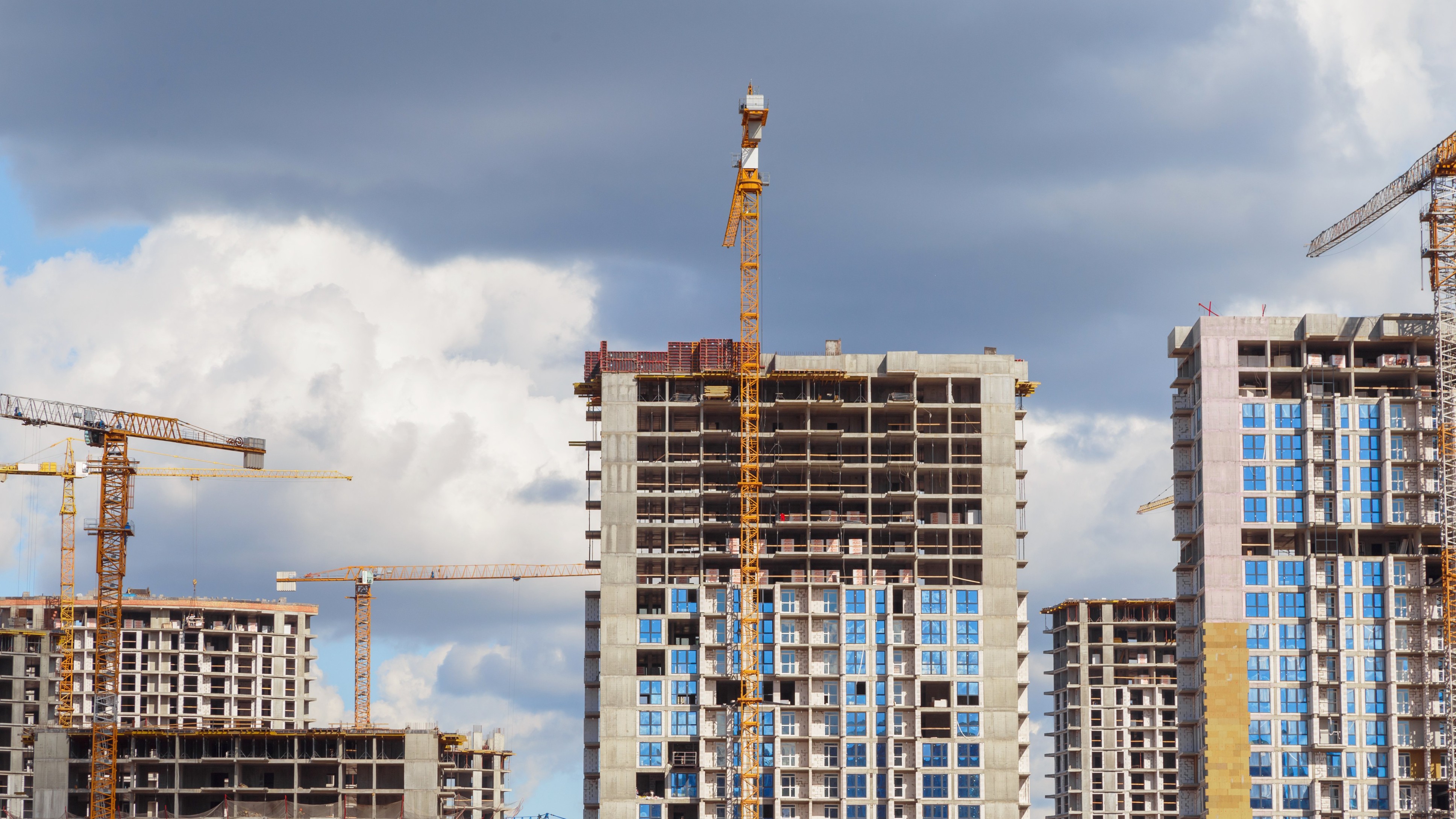
The Nifty Realty Index has experienced a significant downturn in recent period. In the past month, the index has fallen by 6%, whereas the year-to-date decline has been of 7%.
Over the last 12 months, the Nifty Realty Index has seen a substantial drop of 14%, indicating a prolonged period of underperformance in the broader market.
Fiscal year 2025 was relatively lacklustre in terms of the pace of new launches, marked by concerns over approval delays, which led to key real estate players missing their pre-sales booking guidance. Investors, however, are now relatively optimistic on Q1FY26 based on the spillover launches and a low base which is expected to drive higher growth for these companies.
Before drawing in the positives, lets analyse the key concerns that alluded to Nifty Realty's underperformance as compared to the broader markets.
Key Concerns Affecting Investor Confidence
The broader industry points to an overall decline in residential demand, which is a primary concern. As per data from Propequity for April-May 2025, residential property sales in the top seven cities grew 6% YoY by value, while dipping 7% by area sold.
According to HSBC, FY25 was a difficult year in terms of launches, resulting in a decline in overall sales for the market. This was further manifested in listed developers where on an aggregate, they met only 87% of their launch guidance.
Additionally, there are lingering worries about pricing growth, particularly in key markets like the National Capital Region (NCR). According to Knight Frank's report on home affordability trends in top cities in H1 2025, NCR was the only city with a drop in affordability.
Affordability levels have marginally worsened in NCR during the same period with households now needing to pay 28% of their income for acquiring an average property in the city instead of 27% in 2023. This can be attributed to the steep increase in residential prices which have eclipsed the impact of the interest rate cuts in the NCR.
The street also expresses concerns about the sustainability of the current upcycle, especially after a period of strong price appreciation, suggesting a cautious outlook among investors.
Positive Triggers For FY26
Despite the concerns, the positives clearly outweigh the negatives already established in FY25. Higher-than-expected repo rate cuts are anticipated to revive demand in the mid-income and affordable housing segments.
Following a lackluster FY25 in terms of bookings, Q1FY26 has shown robust booking figures on account of a low base and approval delay concerns easing.
Jefferies noted that large project approvals coming through, and a strong response to new launches, are likely to drive coverage companies to post about 60% pre-sales growth in Q1FY26.
The note added that a strong start to the year and the likely impact of mortgage rate cuts could also drive pre-sales estimate upgrades. Strong cash flows and very low gearing levels are additional factors positioning them well to deliver on accelerated growth.
In fact, there are indications that FY26 pre-sales guidance could be upwardly revised for some of these developers like DLF and Prestige Estates given healthy Q1FY26 booking growth.
Some of the big launches in the quarter include DLF clocking in Rs 11,000 crore of pre-sales at the Privana launch in Gurgaon, Prestige with Rs 6,500-7,000 crore of pre-sales at the NCR launch and Rs 800 crore at the Bengaluru launch.
Other developers like Oberoi Realty were also in focus with Rs 1,000 crore at the new phase launch at Elysian, Godrej Properties with Rs 2,000 crore at the project launch in Bengaluru, and Sobha marking a strong debut in Greater Noida.
Q1FY26 Real Estate Business Updates
Performance Against FY26 Guidance
Brokerages Remain Constructive on Godrej Properties, Sobha and DLF

-
'Never Seen This Level Of Negativity': Sandeep Tandon Says The Next Rally May Be Closer Than You Think

Veteran investor Sandeep Tandon says foreign selling is easing, large-caps are due a comeback and mid-caps are crowded, while he turns positive on gold, power and pharma this Diwali.
-
Indians Stay With Family, Not In Hotels | The Reason Why
India still lacks enough clean, reliable and affordable hotels for budget-conscious travellers.
-
The Economic Imperative: Analysing The Material Driving Force Behind India-Canada Strategic Reset
This economic complementarity is further reinforced by deep institutional investment ties and talent mobility, which form the bedrock of the bilateral framework.
-
Medicine Pricing: Where Must Profit Stop?
India must confront excessive margins, hidden incentives and regulatory gaps that threaten the integrity of medicine.
-
Why Amazon And Flipkart Are Struggling To Beat Meesho In India's Smaller Cities
With 274 million users and lowest-cost logistics, Meesho is defending its value commerce crown against giants like Amazon and Flipkart.
-
High US Salaries, No Green Card Certainty: The Financial Calculation Facing Indian H-1B Families
The suspension of PERM processing at eight technology employers does not cancel existing H-1B visas. What it does is force a question many Indian families have been avoiding: is the US salary worth tying your career and family plans to one employer?
-
Swiggy vs Eternal: Food Delivery's Two Rivals Are No Longer In The Same Race
Eternal is building a private AI assistant, dark.ai. Swiggy is still working out how to make Instamart pay, with an operating loss of Rs 895 crore in the July-September quarter while Blinkit stayed profitable.
-
Where You Live Shapes How You Get To Work | The Reason Why
Two-wheelers are the most popular way to get to work in India, accounting for nearly 43% of workplace commutes.
-
Unhedged Position: Can India See An Indonesia-Style Time Correction?
The Nifty is trading below levels it first clocked in 2024. Is there, then, as I have suggested in the headline, potential that the current time correction drags on painfully for the next three-five, even ten years?
-
Navigating Friction And Energy Realities: An Analysis Of Marco Rubio's October Visit To India
Occurring at a critical juncture marked by stalled trade negotiations and escalating geopolitical pressures over global energy supplies, the visit offers a profound window into modern US-India relations.










