Nestle Q2 Preview: Demand Recovery In Sight, But Coffee And Palm Oil Costs A Concern
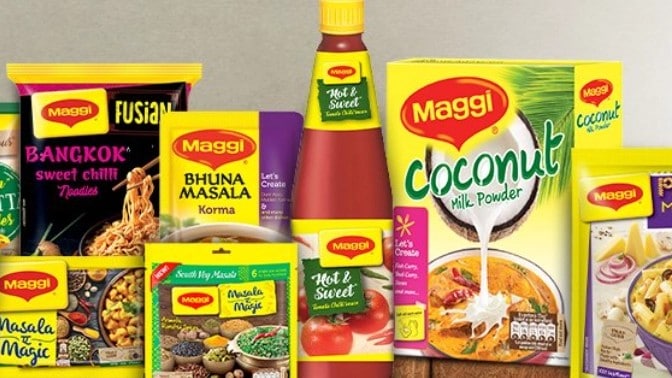
Nestle India Ltd. is set to announce its second quarter results amid a period of steady but moderating growth momentum, with analysts anticipating a mixed performance across key segments.
While demand trends are showing gradual improvement as the urban consumption slowdown eases, margin pressures are likely to persist due to elevated input costs, particularly in coffee and palm oil.
Brokerage estimates suggest modest top-line growth supported by price hikes in premium categories and benefits from recent GST rate cuts, though temporary destocking by trade partners ahead of the tax change may weigh on near-term volumes.
As per Bloomberg estimates, Nestle's consolidated revenue for the March quarter is expected to rise 5% year-on-year to Rs 5,350 crore, compared to Rs 5,104 crore a year ago.
Ebitda is likely to be flat at Rs 1,191 crore from Rs 1,168 crore, while margin is expected to contract to 22.26% from 22.88% a year ago. Net profit is seen rising to Rs 756 crore for the quarter from Rs 986 crore.
Nestle Q2 Preview (Standalone, YoY)
Revenue seen 5% higher at Rs 5,350 crore versus Rs 5,104 crore
Profit seen 23% lower at Rs 756 crore versus Rs 986 crore
Ebitda seen 2% higher at Rs 1,191 crore versus Rs 1,168 crore
Margin seen at 22.26% versus 22.88%
Brokerage Views
Goldman Sachs | Rating: Neutral | Target Price: Rs 1,150
Nestle operates across four key segments — milk products and nutrition, prepared dishes and cooking aids, confectionery, and powdered and liquid beverages.
While the company has a strong portfolio of leading brands in categories with significant growth potential, its largest segment, milk and nutrition, which accounts for around 43% of revenue, has delivered weak growth over the past decade.
This underperformance is attributed to heightened competition and regulatory restrictions on advertising in the infant milk substitutes category.
Additionally, the company has not been particularly aggressive in expanding into new segments such as health food drinks and breakfast cereals.
Goldman Sachs believes that the stock's valuations are already at the upper end of its historical range, and current growth trends do not justify further upside.
Key risks to its outlook include changes in market share in instant noodles, shifts in competitive intensity, success in new category launches, and regulatory developments affecting the infant nutrition segment.
Nirmal Bang | Rating: Hold | Target Price: Rs 1,205
Nestle to post a topline growth of 5.1% year-on-year led by low-single digit volume growth.
Gross margin is likely to decrease by 60 basis points year-on-year, but it increases 80 basis points sequentially.
Expect the Ebitda margin to decrease marginally by 60 basis points year-on-year. However, it is up by 70 basis points sequentially to 22.3%.
Ebitda to increase 2.4% year-on-year and profit to decrease 3% year-on-year.
Nuvama | Rating: Neutral | Target Price: Rs 1,585
Nuvama Institutional Equities has listed Nestle India among its top picks, noting that the company remains one of the stronger performers in the FMCG space.
The brokerage highlighted that coffee prices have seen a decent increase, with a hike of around 3% in the second quarter, particularly in the coffee and premium chocolate segments.
However, it also cautioned that palm oil prices are up 18% from their lows, which could pose a slight concern for Nestle in the third quarter if the elevated levels persist.
Nestle has undertaken price cuts ranging from 3% to 23% across its product range, with nearly its entire India portfolio benefiting from the recent GST rate cut, except for pet food and Nespresso machines.
The GST rate reduction is expected to lower prices for consumers, but a temporary destocking by channel partners was anticipated before Sept. 22 to manage inventory bought at higher tax rates.
Nuvama expects restocking to follow once new lower-priced goods enter the market, boosting consumer demand.
Domestic sales are expected to rise 2.5% year-on-year, with volume growth of 1%.
Export revenues are seen growing 5–6%.
Ebitda is estimated to remain flat year-on-year, while gross and EBITDA margins are expected to decline by 132 and 68 basis points respectively, to 55.3% and 22.2%, owing to elevated coffee input costs.
The brokerage also noted that the decline in profit on a yearly basis is largely due to an exceptional gain of Rs 1,797 million in the base quarter from a slump sale of business.
Overall, Nuvama maintains a positive stance on Nestle, expecting gradual demand recovery, aided by easing urban slowdown and price benefits from the GST cut.
JM Financial | Rating: Reduce | Target Price: Rs 1,200
Volume growth likely to be in low single digit.
GM down 190 basis points year-on-year.
GST transition to impact revenue performance.
GPM to contract 190 basis points due to some RM uptick, translating in Ebitda decline.
Philip Capital| Rating: Neutral | Target Price: Rs 1,117
Volume growth likely to be around mid-single digit.
Expect 6% sales growth, after factoring in some impact of channel destocking.
Beverage's growth to be in double digit, while Confectionary in high single digit and Prepared dishes in high single digit.
Milk and Nutrition to be stable.
Rebound in coffee prices, along with higher trade incentives to keep year-on-year Ebitda margins under pressure.
Expect low single digit Ebitda growth for the quarter.
Milk, Infant Nutrition, Noodles, Pasta, Sauce & Condiment, Chocolate, Coffee to benefit from lower GST. Together contribute to over 90% of domestic sales

-
One Battle After Another: India's Corporate Dynasties Battle For Control

2026 could go down as Corporate India's year of succession wars, governance battles and family fault lines.
-
Rs 50-Lakh Gold In Bank Locker, Rs 3 Lakh Of Protection: The Gap Most Families Don't Know About
The RBI ties a bank's liability to the annual locker rent and families who want to insure their jewellery face a separate question about how to prove what was inside.
-
The More Food Turns Into Fuel, The Harder It Is To Read Agricultural Markets | The Reason Why
A policy designed to reduce dependence on imported fuel can create new pressures elsewhere in the food economy.
-
Your iPhone Costs 12 Grams Of Gold, A Car About 100. What Does Your Life Weigh?
Measured in rupees, almost everything looks more expensive than it did a generation ago. Measured in grams of gold, a lot of it has become cheaper.
-
Gold Is Rs 22,000 Cheaper Than A Month Ago. Should You Buy Amid The Wedding Season?
Gold's potential slide to $3,500 could save around Rs 4,700 per 10 grams, but a soft inflation print could just as easily push prices back up. One way to split the risk is to buy in parts, some now and the rest after the Fed's Dec. 9 decision.
-
AI Agents Are Gaining Power. Who Governs Them?
Artificial intelligence agents promise to transform productivity by moving machines from assisting decisions to executing them. But as organisations delegate greater authority to these AI-agents, they must first establish who controls that authority and who remains accountable when things go wrong.
-
Why Swapping Your Old Gold Can Trigger A Rs 5 Lakh Tax Bill, And How You Can Avoid It Legally
Swapping old gold for new is taxed as a sale and a fresh purchase. Getting your own gold remade can cut most of that bill, though it has its own costs.
-
The AI Trade is Done. The Real Opportunity for Investors Starts in 2027 | Unhedged Position
As pureplay AI stocks plunge and circular, capex-led financing unwinds, 2027 is set to be a year of reckoning for AI companies. Yet the bust clears the way for a better opportunity for investors in 2027 -- shifting the spotlight from AI builders to the companies using AI.
-
Leadership As Mission: Why The Age Of AI Demands More Human Leadership
Debjani Ghosh examines how AI is changing leadership, arguing that its success must be measured by its impact on people and the accountability of those guiding its use.
-
We May Need Another Tukaram Mundhe To Fight Air Pollution | The Reason Why
Developers may install basic measures such as sprinklers and green nets, resume work, and continue violating rules when this equipment stops working.









