MFIs Likely To Shelve Expansion Plans Due To Lockdown
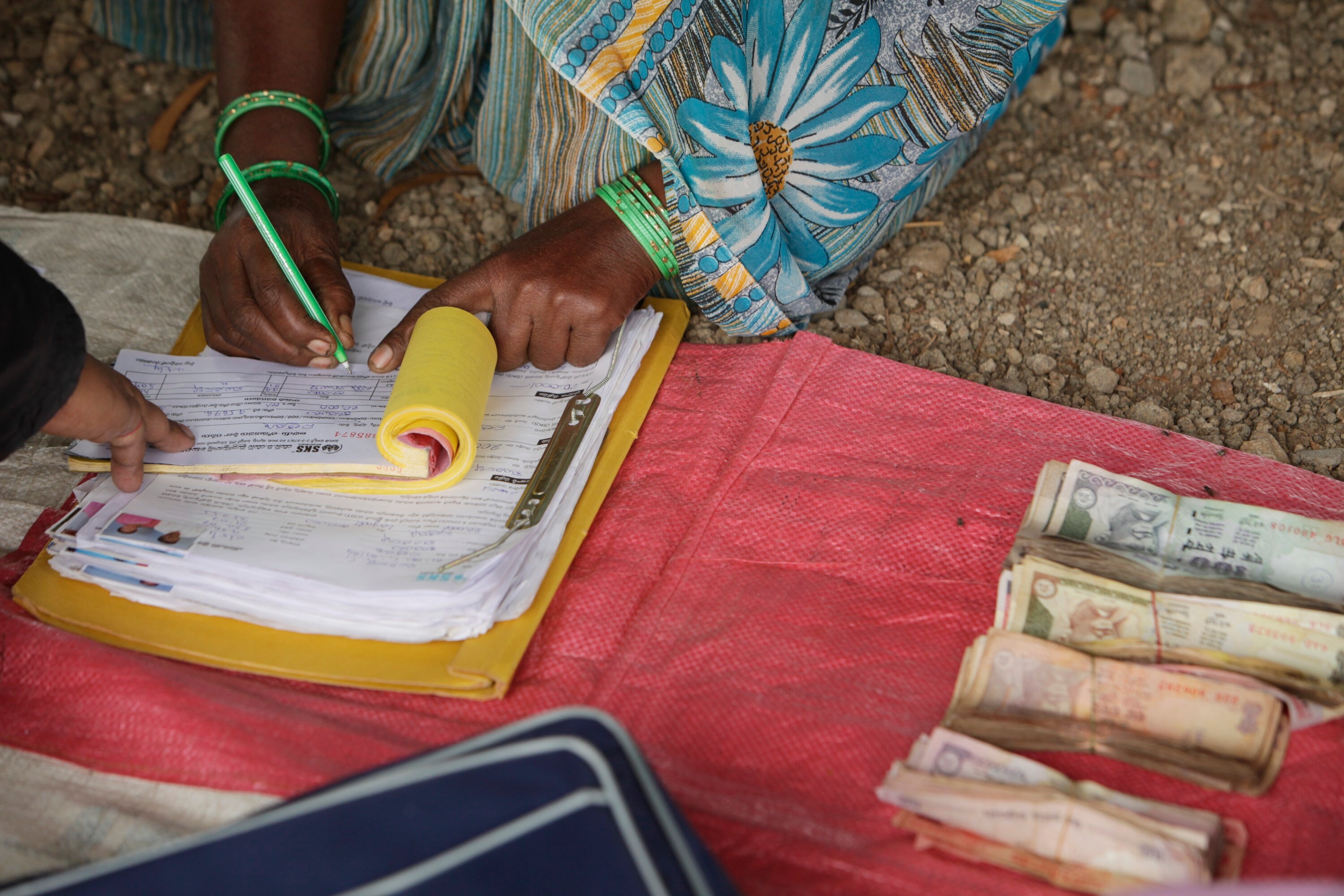
The Microfinance Institutions (MFIs), which are currently feeling the pinch of the coronavirus pandemic with their operations being suspended during the nationwide lockdown, are concerned about the near-term growth of the industry, officials said on Monday.
The MFIs will concentrate more on protecting their existing portfolios, once the lockdown will be lifted, and many of them may shelve their expansion plans for the time being, Microfinance Institutions Network (MFIN) chairperson Manoj Kumar Nambiar said.
Speaking on the outlook for the industry, he told PTI: “Performance of the MFIs in the current fiscal which has just begun, will depend on when the lockdown will be lifted and how quickly the governments, both the Centre and the states, arrest the pandemic.”
“The first quarter will certainly get affected as collections will fall in April and May because many borrowers will opt for the moratorium package,” he added.
Nambiar, further said that disbursements to existing customers will continue but micro-lenders will be cautions to extend credit to the new ones during this crisis period.
The short-to-medium-term impact of the coronavirus outbreak and the subsequent measure of the lockdown to combat the pandemic seems to be more on the urban in-formal sector as compared to agriculture-based rural activities, another self regulatory organisation of the sector, Sa-Dhan executive director P Satish told PTI.
“MFIs with more exposure in urban informal sectors will face more difficulties than an lending institution having a large number of rural sector borrowers,” he said.
The Association of Microfinance Institutions, West Bengal member and Village Financial Services Managing Director Kuldip Maity said it will take at least six months for non-agro portfolios to get into normalcy and the overall industry growth for the FY21 may slip to 15 percent.
Ruling out any possibility of retrenchment in the sector amid the threat that the economic growth will be adversely impacted due to Covid-19 crisis, Nambiar said, “The industry will need to retain their staff so that the collection and the recovery activities can start once the lockdown is over.”
Despite the disruption in the second half of March, the last month for a financial year, due to the coronavirus pandemic, Satish is, however, optimistic that the microfinance industry will clock an growth of about 20 percent in FY20 over the previous year, but apprehensive about the same in the current fiscal.
During the lockdown period, the operations of the MFIs have been mostly suspended. Branches are closed and no field- work is going on. Staff of the institutions are currently working from home and engaging with the customers over phone, Nambiar said.
A few organisations are disbursing advances through online arrangement, which accounts for not even 10 percent of the business, he said.
The disbursements as well as collections were adversely impacted due to the coronavirus outbreak and the ongoing nationwide lockdown, the officials said.
Usually, the disbursements reach its peak before closing of a business year, and last week of March is always hectic, Nambiar, who is also Managing Director of Arohan Financial Services, said.
“A rough estimate suggests that Rs 500 crore is usually disbursed to micro borrowers by the MFIs on a day in the last week March. Owning to the lockdown, around Rs 3,500 crore could not be disbursed to borrowers by 75-80 entities in the last seven days of FY20,” he told PTI.
He said the first half of April is, however, considered to be a ‘slow period' in terms of disbursement.
Collections from borrowers have also been affected during the 21-day lockdown imposed to contain the COVID-19 pandemic, he said.
“The loan portfolio of the microfinance industry by end of December 2019, was about Rs 2.12 lakh crore and the collections per month typically stands at an average 9-10 percent of that. Again, a rough estimate indicates that around Rs 5,000 crore could not be collected during the last week of March,” Nambiar said.
Asked whether the three-month moratorium, as per RBI's guideline, will be extended to the micro borrowers, he said that the package will be offered to small borrowers and it is up to them whether they will opt for it or not.
“The scheme is about extending the loan tenure by three months. There is a cost implication in the form of interest rates, if one opts for the moratorium package. But no borrowers will be penalised for delay in payments for March, April and May,” he said.
MFIs also started seeking the 3-month moratorium on loan repayment from their lenders such as banks and other financial institutions, Satish said.
“The MFIs expect a back-to-back moratorium from their lenders who are banks and financial institutions. This is very important as without that the micro lenders would not be able to extend loans to their end clients who need it the most in this difficult period,” Nambiar said.
Satish predicted the micro credit demand will hopefully pick up with the progress of the current financial year, as small borrowers will need fund to reorganise their businesses as and when the normalcy in the economy is restored.

-
Extracting Value From Battery Scrap Could Be Challenging For India | The Reason Why

A discarded lithium-ion battery still contains valuable materials such as lithium, nickel and cobalt. These can be recovered and reused. When such batteries are crushed and shredded, they produce a dark powder called black mass.
-
One El Nino, India Can Handle. Two Could Break The Granary
India's grain stocks can absorb one bad year, but a second El Nino could drain the buffer in two to three years, economists say.
-
India's Troika Of Good Luck | Joining The Dots
As Jensen Huang's exit drags Nvidia down, a cooling AI trade and resilient earnings have revived investor interest in India. A likely RBI rate hike looms.
-
Talking Points This Week: Leadership Shock At Nvidia, Earnings Strength, And The Fog Over Hormuz
The Anthropic IPO pricing and first trading day, Nvidia's upcoming earnings, and any fresh signals from Iran will set the tone for the following week.
-
Signature Play: The Classic Cocktail Is Dead. Or Is It?
Classic cocktails are disappearing from India's cocktail menus. But they're still being ordered, taught to bartenders and borrowed from. So, who's really having the last drink?
-
A New Samvat Wishlist: Inclusive Prosperity And Human Development
India has strengthened its economic foundations through infrastructure, digital access and enterprise. Its next growth chapter must deepen productivity, create better livelihoods and widen participation in prosperity.
-
Love, Sex Aur Dhokha: The Audacious Plot To Spy On Jensen Huang
A Taipei dinner, a Singapore chip buyer and a suspected Chinese asset: inside the alleged spy operation that got close to NVIDIA's Jensen Huang.
-
Ten Things I Learnt This Samvat
Patience can be a trap. Cheap stocks can stay cheap. Leverage can wipe you out. What did Samvat 2082 teach us? Niraj Shah writes on 10 lessons from the year gone by.
-
Talking Points This Week: Tech Nerves, FII Buying, And A Faraway Banking Shock
The global markets are not shining this Diwali. The exception in the large markets is, India.
-
Midterm Rally Lasted A Day. The Hard Reality Of A Divided US May Last Two Years | Opinion
Between a contested AI boom, a debt ceiling that arrives in 2027 and a president with every incentive to act alone, the next two years may prove more volatile than the first day's rally suggests.









