Meta Shares Tank 12% As Fears Of AI Bubble Overshadow Strong Earnings
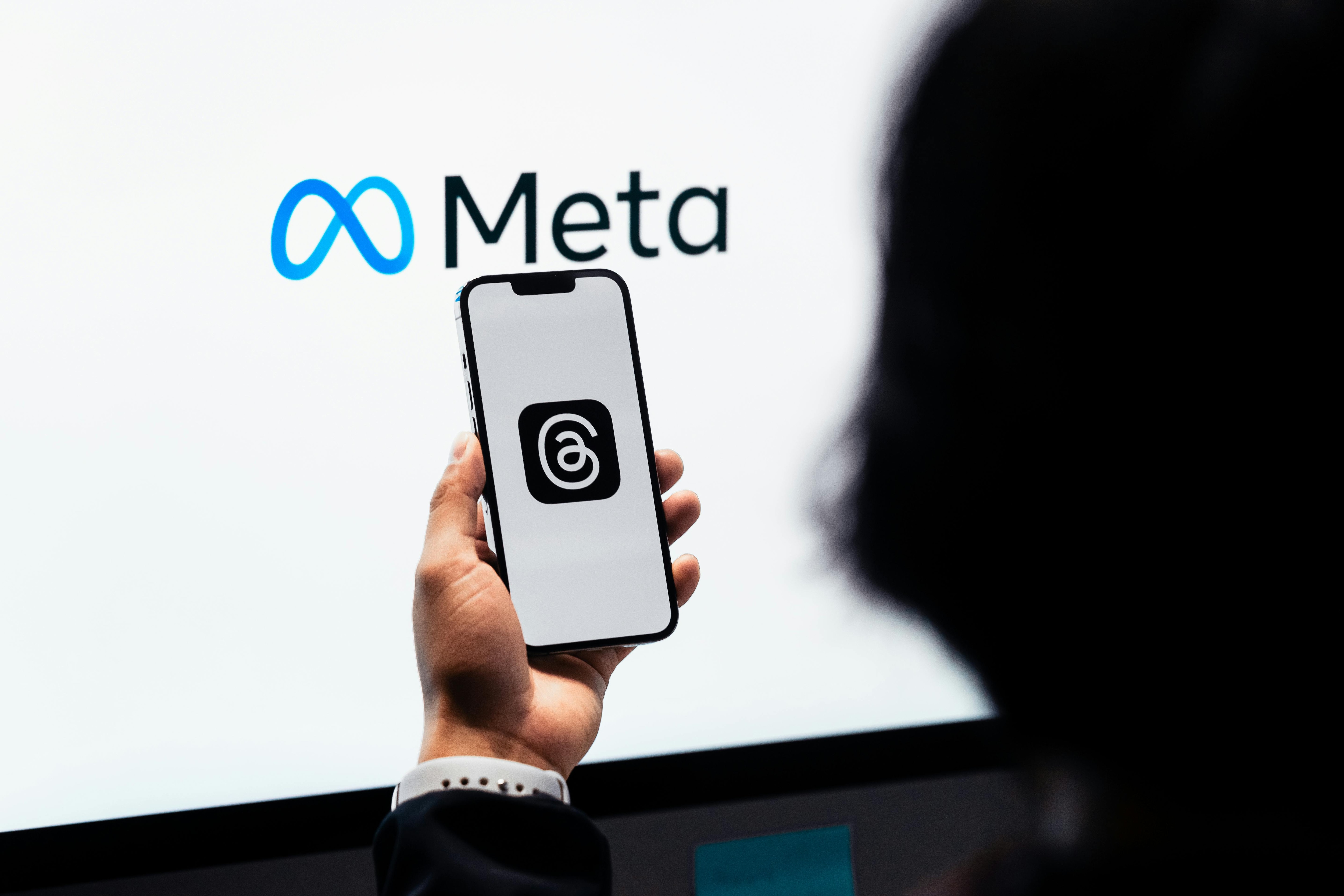
The shares of Meta Platforms fell over 12% on Thursday to $655.12 apiece after its third quarter earnings as its forecasts 'notably larger' capital expenses next year thanks to investments in artificial intelligence.
The Facebook and Instagram parent reported revenue growth of 26% that beat market estimates, but that jump was outpaced by a 32% increase in costs. In addition, the social media giant has lifted its 2025 capital expenditure guidance with Meta now expecting capex to range between $70 billion and $72 billion. This is higher than the earlier guidance of $66 billion and $72 billion.
In addition, Meta also recorded a $16 billion one-time charge related to US President Donald Trump's 'Big Beautiful Bill' that led to the decline in its third quarter profit.
Meta has doubled down on AI with the target of achieving superintelligence, a theoretical milestone where machines outthink humans. Mark Zuckerberg also defenced the company's ambitious spending plans on Wednesday.
During the earnings call he said Meta is preemptively building up capacity to prepare for the arrival of superintelligence. According to him Meta will be “ideally positioned for a generational paradigm shift in many large opportunities.”
The big tech is facing rising pressure to show some returns on the AI investment so far. This comes amid a soaring valuation and limited evidence of productivity gains.
Meta has also been on a hiring spree in order to compete with rivals like Microsoft and Alphabet. Zuckerberg has personally led the aggressive hiring for AI. This will make employee compensation costs the second largest contributor to the increase in costs next year to account for the compensation of employees that were hired through this year, CFO Susan Li said in a statement.

-
Talking Points This Week: Leadership Shock At Nvidia, Earnings Strength, And The Fog Over Hormuz

The Anthropic IPO pricing and first trading day, Nvidia's upcoming earnings, and any fresh signals from Iran will set the tone for the following week.
-
Signature Play: The Classic Cocktail Is Dead. Or Is It?
Classic cocktails are disappearing from India's cocktail menus. But they're still being ordered, taught to bartenders and borrowed from. So, who's really having the last drink?
-
A New Samvat Wishlist: Inclusive Prosperity And Human Development
India has strengthened its economic foundations through infrastructure, digital access and enterprise. Its next growth chapter must deepen productivity, create better livelihoods and widen participation in prosperity.
-
Love, Sex Aur Dhokha: The Audacious Plot To Spy On Jensen Huang
A Taipei dinner, a Singapore chip buyer and a suspected Chinese asset: inside the alleged spy operation that got close to NVIDIA's Jensen Huang.
-
Ten Things I Learnt This Samvat
Patience can be a trap. Cheap stocks can stay cheap. Leverage can wipe you out. What did Samvat 2082 teach us? Niraj Shah writes on 10 lessons from the year gone by.
-
Talking Points This Week: Tech Nerves, FII Buying, And A Faraway Banking Shock
The global markets are not shining this Diwali. The exception in the large markets is, India.
-
Midterm Rally Lasted A Day. The Hard Reality Of A Divided US May Last Two Years | Opinion
Between a contested AI boom, a debt ceiling that arrives in 2027 and a president with every incentive to act alone, the next two years may prove more volatile than the first day's rally suggests.
-
Blue Wave Will Derail the AI Trade but Won't Dismantle the AI Era | Unhedged Position
The Democrats' sweep of the US Congress will see politics collide with economic forces both over the long and short term.
-
It's Time To Take The GST Council's Bet On Trust Global
Payment records can prove India's services exports, and clear, proportionate rules can bring foreign digital sellers into the tax net.
-
Opinion | India at 38: From Innovation Overperformer to Innovation Powerhouse
India now has 453 VC-backed deep science startups, 18 of them late-stage, after 117 percent growth since 2020. Laurus Labs, at USD 9.3 billion, is the most valuable deep science company in any middle-income economy outside China.









