Lenskart Listing: Three Reasons Why Blockbuster IPO Fizzled Out With Weak Market Debut
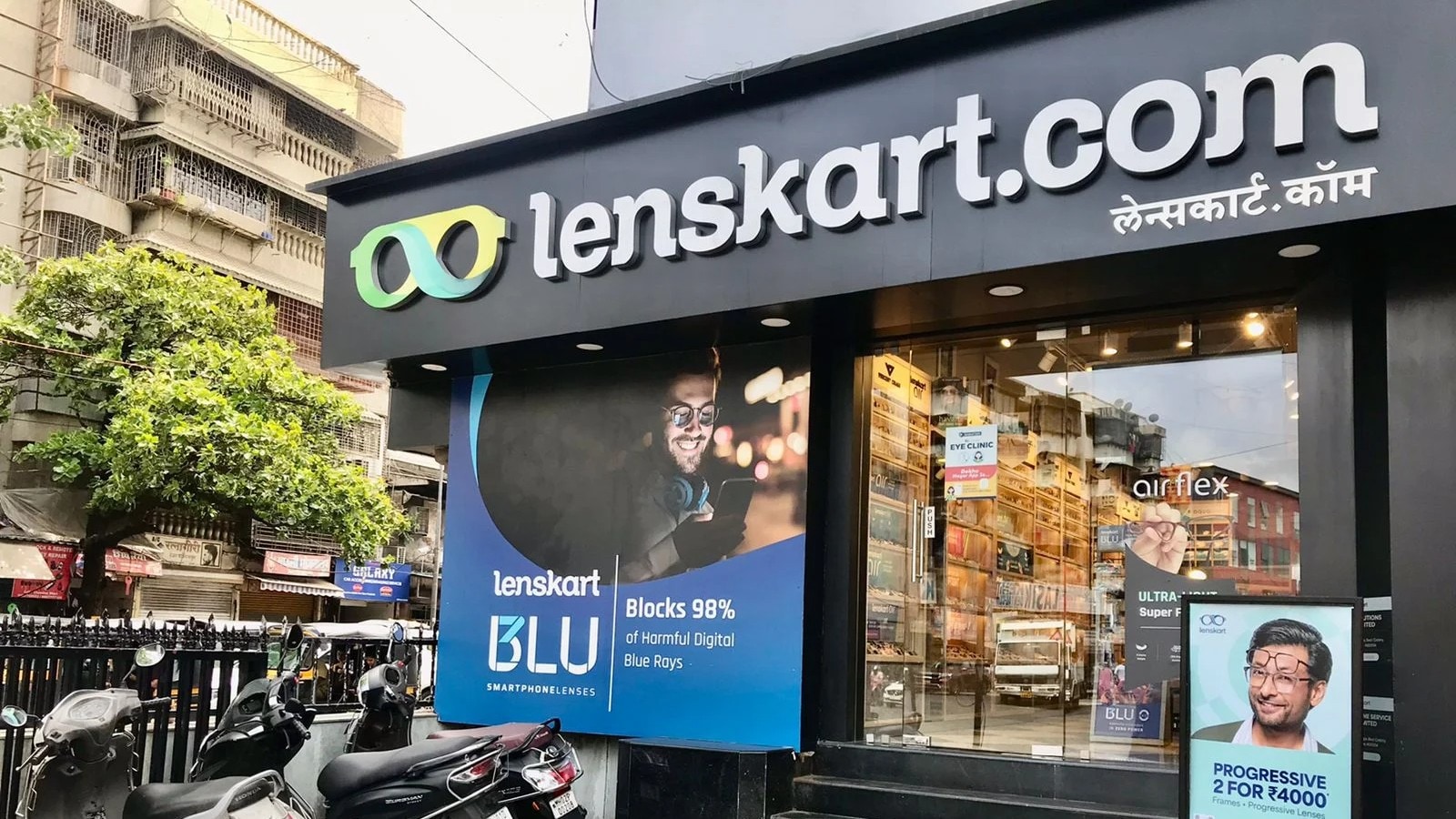
After weeks of anticipation, one of the most talked-about IPOs of 2025, Lenskart Solutions Ltd., made its market debut with a whimper rather than a bang. The eyewear retailer listed at a discount on both exchanges, disappointing investors who had hoped for a strong start.
On the National Stock Exchange, Lenskart opened at Rs 395 per share, 1.74% below its issue price of Rs 402. On the BSE, it listed at Rs 390, a 3% discount. Soon after listing, the stock fell as much as 11%, erasing the excitement around its much-hyped public offering.
As of 11:30 a.m. the share was trading at Rs 409.70, 5% higher from its opening price on the BSE. On the NSE it was trading 3.67% higher at Rs 409.50.
Here are three reasons why Lenskart's blockbuster IPO turned into a listing dud:
Valuation – Too Rich For Comfort
Lenskart had priced its IPO between Rs 382 and Rs 402 per share, valuing the company at nearly Rs 70,000 crore at the upper end. This implied a price-to-earnings ratio of about 285 times its fiscal year 2025 profit of Rs 297 crore, far above global and domestic peers.
Analysts flagged this steep valuation as excessive. According to Ambit Capital, Lenskart's India business trades at an implied 55 times financial year 2028 estimated EV/Ebitda, 20–30% higher than consumer peers such as Trent and Nykaa's beauty and personal care segment. The brokerage called these valuations “unwarranted” given the company's modest profitability and heavy capital requirements.
The assumptions baked into the valuation also appeared overly optimistic, factoring in an 18% annual revenue growth over two decades and a 60% market share of EssilorLuxottica's global retail base, a scenario that many see as unrealistic.
Profit – Thin Margins Behind The Growth Story
While Lenskart's financial turnaround looked impressive on paper, much of the profit came from one-off gains. The company reported a profit of Rs 297 crore in the last financial year on revenues of Rs 6,653 crore, but Rs 167 crore of that was linked to a one-time gain from the Owndays acquisition. Adjusted for this, its core profit was closer to Rs 130 crore — translating to a modest 1.9% margin.
In the first quarter of this fiscal, Lenskart posted a profit of Rs 55.6 crore on Rs 1,940 crore in revenue, reflecting a 2.8% margin. Though margins improved slightly, analysts argue they remain thin relative to the company's sky-high valuation.
Axis Securities noted that while revenue growth remains strong — up 22.6% year-on-year — profitability continues to lag. The brokerage added that Lenskart's global expansion efforts could further stretch management bandwidth and increase execution risks.
Sentiment Reversal – From Euphoria To Caution
The timing of the listing did Lenskart no favours. Broader market sentiment has cooled in recent weeks, particularly for richly valued new-age companies. Investor appetite for high-growth but low-profit consumer-tech firms has weakened amid a broader risk-off environment.
Lenskart's grey market premium, which once peaked at Rs 108, had collapsed to zero ahead of its listing — signalling fading enthusiasm. The disappointing debut underscores the shift in investor sentiment: from euphoria about India's next consumer-tech success story to caution over sustainability and valuation.

-
One Battle After Another: India's Corporate Dynasties Battle For Control

2026 could go down as Corporate India's year of succession wars, governance battles and family fault lines.
-
Rs 50-Lakh Gold In Bank Locker, Rs 3 Lakh Of Protection: The Gap Most Families Don't Know About
The RBI ties a bank's liability to the annual locker rent and families who want to insure their jewellery face a separate question about how to prove what was inside.
-
The More Food Turns Into Fuel, The Harder It Is To Read Agricultural Markets | The Reason Why
A policy designed to reduce dependence on imported fuel can create new pressures elsewhere in the food economy.
-
Your iPhone Costs 12 Grams Of Gold, A Car About 100. What Does Your Life Weigh?
Measured in rupees, almost everything looks more expensive than it did a generation ago. Measured in grams of gold, a lot of it has become cheaper.
-
Gold Is Rs 22,000 Cheaper Than A Month Ago. Should You Buy Amid The Wedding Season?
Gold's potential slide to $3,500 could save around Rs 4,700 per 10 grams, but a soft inflation print could just as easily push prices back up. One way to split the risk is to buy in parts, some now and the rest after the Fed's Dec. 9 decision.
-
AI Agents Are Gaining Power. Who Governs Them?
Artificial intelligence agents promise to transform productivity by moving machines from assisting decisions to executing them. But as organisations delegate greater authority to these AI-agents, they must first establish who controls that authority and who remains accountable when things go wrong.
-
Why Swapping Your Old Gold Can Trigger A Rs 5 Lakh Tax Bill, And How You Can Avoid It Legally
Swapping old gold for new is taxed as a sale and a fresh purchase. Getting your own gold remade can cut most of that bill, though it has its own costs.
-
The AI Trade is Done. The Real Opportunity for Investors Starts in 2027 | Unhedged Position
As pureplay AI stocks plunge and circular, capex-led financing unwinds, 2027 is set to be a year of reckoning for AI companies. Yet the bust clears the way for a better opportunity for investors in 2027 -- shifting the spotlight from AI builders to the companies using AI.
-
Leadership As Mission: Why The Age Of AI Demands More Human Leadership
Debjani Ghosh examines how AI is changing leadership, arguing that its success must be measured by its impact on people and the accountability of those guiding its use.
-
We May Need Another Tukaram Mundhe To Fight Air Pollution | The Reason Why
Developers may install basic measures such as sprinklers and green nets, resume work, and continue violating rules when this equipment stops working.









