Iran-Israel Tensions Drive Uncertainty In Oil Markets: Analysts Weigh In
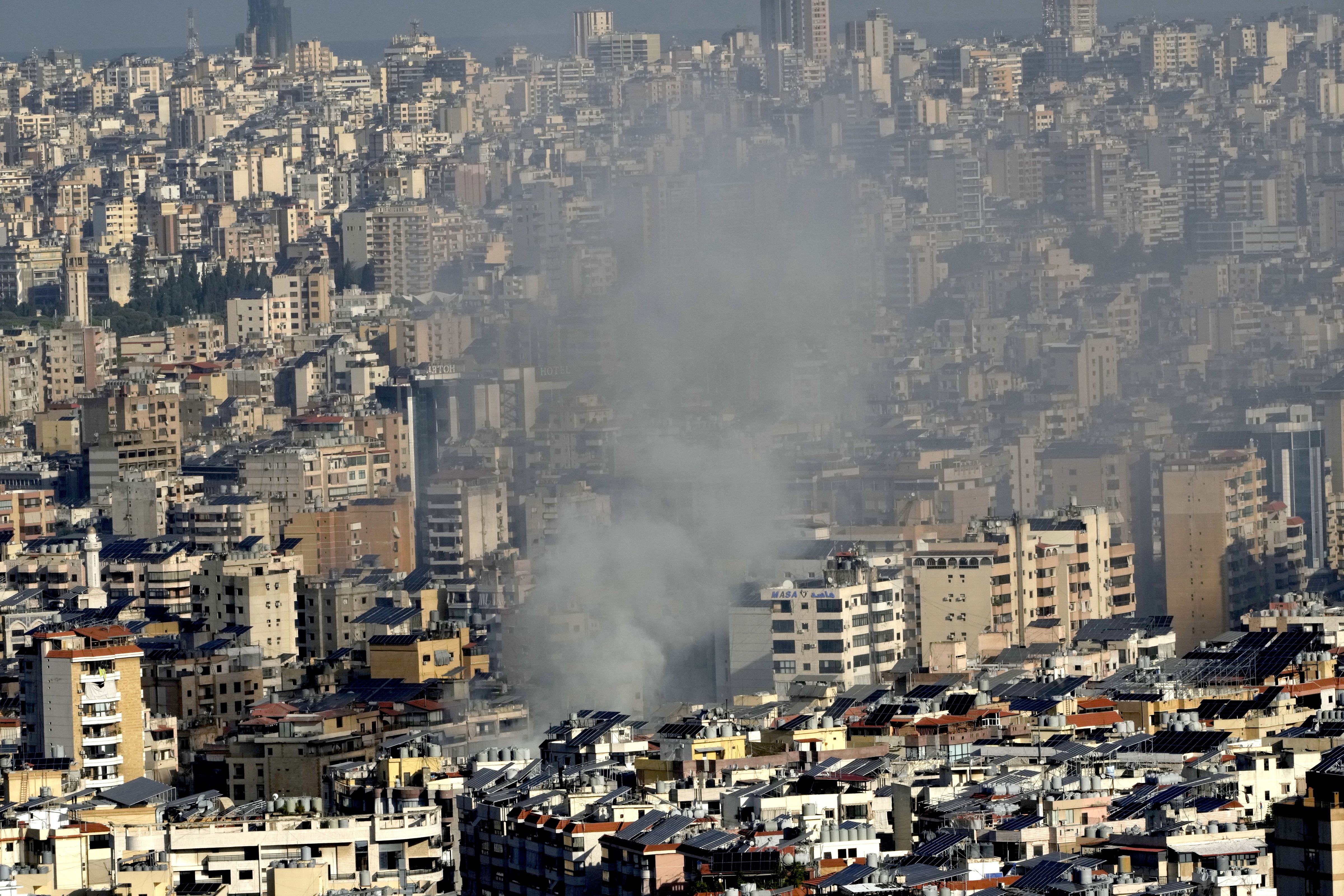
Global oil markets have turned unstable due to the recent escalation of hostilities between Iran and Israel, which has the potential to disrupt supply chain networks with far-reaching consequences.
The ultimate impact on global oil balances and prices will largely depend on the degree of Israel's response and whether there are any disruptions to Iran's oil infrastructure, according to a Citi Research note. Brent crude is up 4.14% since the strike on Monday. Oil prices are at Rs $74.74 per barrel, up 1.14% as of 10:25 a.m.
Citi's assessment highlighted that if Israel were to target minor oil infrastructure—including downstream assets and export valves—the loss of output could range between 3 lakh to 4.5 lakh barrels per day. However, such actions would risk heightened geopolitical tensions, potentially affecting other strategic energy assets on both sides of the conflict.
Markets have so far taken a measured approach to the rising tensions, said Peter Cardillo, chief market economist at Spartan Capital Securities. "The escalation, which now includes Lebanon and potentially Iran, raises questions about whether we might see a full-scale conflict," he said.
Cardillo also pointed out that much of the current response from both sides has been limited to minor retaliations, with the markets seemingly in a "wait-and-see" mode.
The key concern for the oil market is whether the conflict will spill over into a more extensive military engagement, which could potentially affect Iran's oil production. "If there were an outright war between Israel and Iran, it could engage the rest of the oil-producing nations in the region, potentially leading to a blockade that could send oil prices soaring, possibly even to $150 or higher," Cardillo said.
Peter McGuire, chief executive officer of XM Australia, also weighed in on the potential impact of the conflict on oil supplies. Iranian oil infrastructure stands vulnerable, he noted, particularly given its proximity to the Strait of Hormuz—a critical chokepoint for global oil shipments.
"If there was an attack on Iranian fields, it would derail a lot of crude being exported globally," McGuire said. Market reactions could vary significantly based on the severity of the conflict, with oil prices potentially rising by $5, $10, or even $20 very quickly if the situation escalates, the expert cautioned.
Brent crude prices have also been affected by global economic cues and the potential for an increase in oil production by OPEC. Brent prices have risen about 4% since Monday, reaching $76.14 per barrel, but they remain capped at around $74 due to ongoing supply concerns.
Iranian crude oil production stands at approximately 3.4 million barrels per day, representing around 3% of global output. Israel's retaliatory actions could target Iran's refineries and associated infrastructure, potentially leading to temporary production shut-ins and domestic shortages.
As tensions continue to evolve, both Cardillo and McGuire agree that the key factors driving oil prices will be the degree of escalation in the conflict and the resulting impact on supply chains.
"If the war factor continues to be contained without any threats of a blockade or an expanded OPEC response, then oil prices may remain contained," Cardillo said.
Israel-Iran Conflict To Derail Global Oil Supply | Watch

-
The Curious Case of Equitas Small Finance Bank And A CEO Who Quit For Stock

PN Vasudevan believes persistent investor concerns over a perceived conflict of interest had become a governance overhang on Equitas Small Finance Bank's stock, even as the lender improved profitability and asset quality.
-
Talking Points This Week: AI Cash Burn, A Tiger Comeback And An India That Still Finds Its Own Path
India is not immune to higher oil or tighter global liquidity, yet its earnings base is broader, its domestic policy levers are still available.
-
Foreign Investors Own Half Of HDFC Bank and ICICI Bank. An LTCG Cut Could Matter Most Here
Foreign portfolio investors have US$115 billion parked in HDFC Bank, ICICI Bank. If the government cuts long-term capital gains tax, Jefferies says returning foreign money could land here first.
-
'Never Seen This Level Of Negativity': Sandeep Tandon Says The Next Rally May Be Closer Than You Think
Veteran investor Sandeep Tandon says foreign selling is easing, large-caps are due a comeback and mid-caps are crowded, while he turns positive on gold, power and pharma this Diwali.
-
Indians Stay With Family, Not In Hotels | The Reason Why
India still lacks enough clean, reliable and affordable hotels for budget-conscious travellers.
-
The Economic Imperative: Analysing The Material Driving Force Behind India-Canada Strategic Reset
This economic complementarity is further reinforced by deep institutional investment ties and talent mobility, which form the bedrock of the bilateral framework.
-
Medicine Pricing: Where Must Profit Stop?
India must confront excessive margins, hidden incentives and regulatory gaps that threaten the integrity of medicine.
-
Why Amazon And Flipkart Are Struggling To Beat Meesho In India's Smaller Cities
With 274 million users and lowest-cost logistics, Meesho is defending its value commerce crown against giants like Amazon and Flipkart.
-
High US Salaries, No Green Card Certainty: The Financial Calculation Facing Indian H-1B Families
The suspension of PERM processing at eight technology employers does not cancel existing H-1B visas. What it does is force a question many Indian families have been avoiding: is the US salary worth tying your career and family plans to one employer?
-
Swiggy vs Eternal: Food Delivery's Two Rivals Are No Longer In The Same Race
Eternal is building a private AI assistant, dark.ai. Swiggy is still working out how to make Instamart pay, with an operating loss of Rs 895 crore in the July-September quarter while Blinkit stayed profitable.










