Indian Securitisation Market Hits All-Time High, But New Instrument Casts Doubt
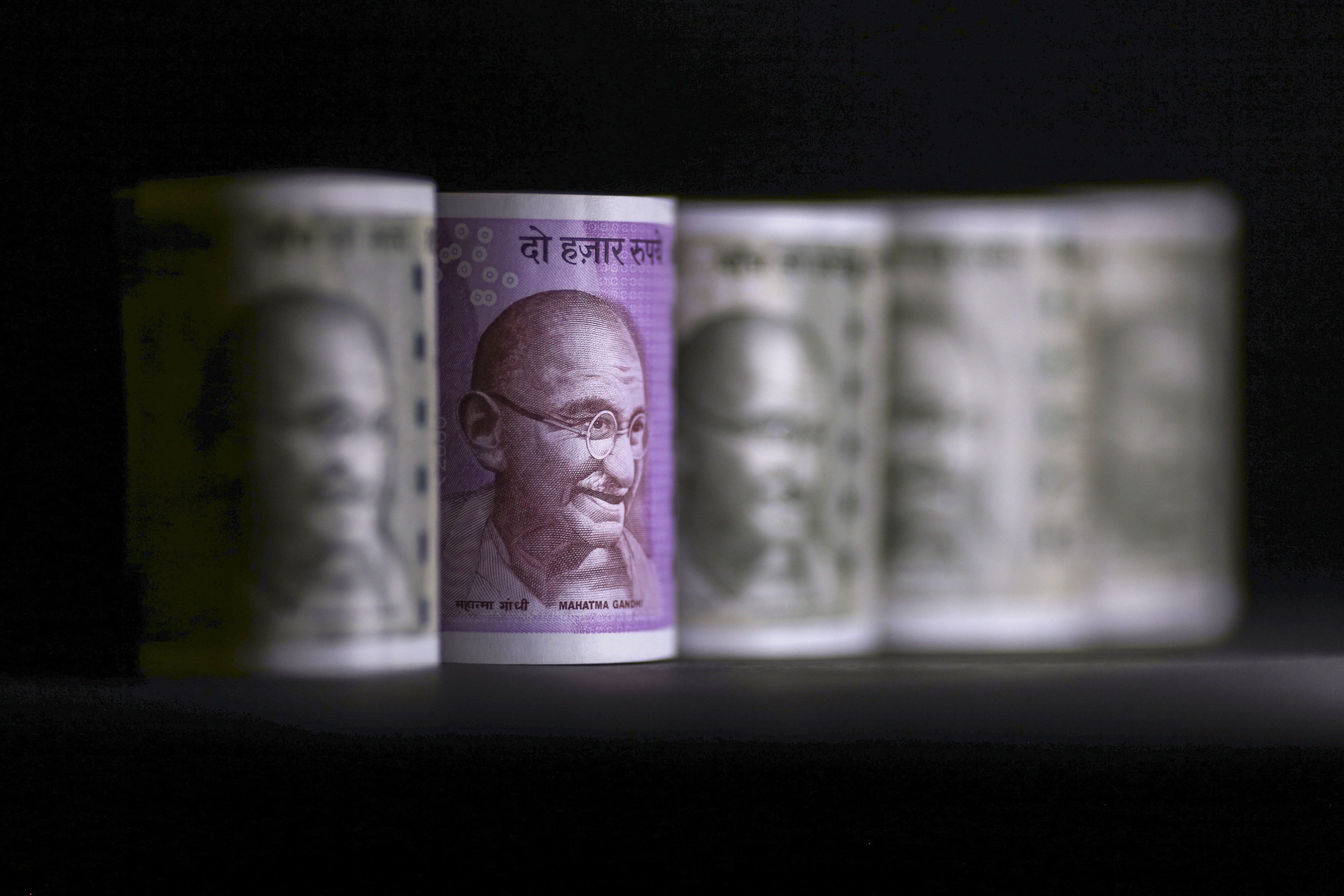
India's securitisation market surged to an all-time high in financial year 2016-17 despite a marked slowdown due to demonetisation and the introduction of a new debt instrument which allows banks to buy priority sector loans directly from each other.
The value of securitisation transactions in India rose 47 percent to Rs 1.02 lakh crore in FY17, according to report by ratings agency CRISIL. “Significant priority sector lending targets of private sector and foreign banks, and industry-wide chase for retail credit growth meant securitisation of retail assets soared”, the agency said in a separate media statement.
Securitisation is a way in which institutions can bundle assets and sell securities representing the underlying assets to investors. It is often used as a way to unlock capital. In India, however, the securitisation market had been slow to pick up due to lack of demand from institutional investors.
In India, securitisation is a “nascent market” where investors are still “not too comfortable investing in complex instruments” like securitised assets, Krishnan Sitaraman, senior director at CRISIL Ratings, told BloombergQuint.
The increase in FY17 was led by a surge in volumes of pass-through certificates which grew 74 percent to Rs 42,800 crore. PTCs are debt instruments that enable investors to draw interest from the securitised assets. Direct sale of loans – mostly by non-banking financial institutions to banks – saw a “flattish” volume growth at 6.8 percent to Rs 47,700 crore, CRISIL said.

PTCs were preferred over the direct sale route because of higher regulatory diligence and credit enhancement. The removal of a dividend distribution tax on PTCs, announced in Union Budget 2016-17, made yields “more attractive”, CRISIL explained.
Tax clarity gave big fillip to the securitisation market.Krishnan Sitaraman, Senior Director, CRISIL Ratings
Besides, PTCs are the only securitisation route available to mutual funds, bank treasuries, and non-banking financial companies who want to sell securities.
New Challenge
The introduction of priority sector lending certificates by the Reserve Bank of India, in early FY17, may have a “negative impact on both securitisation and inter-bank participation [certificate] volumes”, CRISIL said, adding that it will be the “key roadblock to market growth”.
PSLCs are debt instruments which are issued by banks that have reached a surplus in their priority sector lending targets. Banks who are unable to meet their targets can buy these PSLCs on RBI's trading platform directly, bypassing any form of securitisation.
Priority sectors include agriculture, small and medium enterprises, social infrastructure and renewable energy.
Around Rs 49,800 crore of PSLCs were traded between banks in FY17. Around 55 percent of those were from the small and marginal farmer, and agriculture categories, the rating agency added.
If it wasn't for PSLCs, securitisation volume would've been even higher.Krishnan Sitaraman, Senior Director, CRISIL Ratings
The “ease of purchase” and “absence of risk transfer” make PSLCs an attractive alternative for meeting priority sector lending targets, CRISIL said.
“The full year impact of PSLC introduction will be evident on this fiscal and therefore, the impact of PSLCs on securitisation and IBPC volumes would be more pronounced only at the end of it”, cautioned the ratings agency.
CRISIL expects the demand for priority sector lending to remain high as data from the central bank shows that several top public and private lenders are short on either overall or sub-targets. The demand from foreign banks too will “continue to be healthy” as they've been mandated to increase their priority lending proportion by 2020, the report said.
Cash Crunch Blip
The securitisation market had witnessed a downturn in the third quarter of FY17 as loan collections dried up due to a cash shortage triggered by demonetisation. “Asset quality challenges kept investors away for the rest of the third quarter and the beginning of the fourth quarter", CRISIL noted.
However, demand made a V-shaped recovery, especially due to collections in securitised vehicle loan pools, that helped investors regain confidence and give a filip to investments in March.

Other Highlights
- Mortgage-backed securities remained the most preferred asset class, with total volume surging 39 percent to Rs 41,000 crore in fiscal 2017. The share of MBS in total retail securitisation has gone up to 45 percent now.
- Private lenders invested in around 70 percent of MBS transactions in 2017, as opposed to the previous year where growth was led by public banks.
- Asset-backed securities grew 24 percent to Rs 49,600 crore "largely backed by vehicle loans that piggybacked on demand for priority sector lending assets", CRISIL said.

-
The Economic Imperative: Analysing The Material Driving Force Behind India-Canada Strategic Reset

This economic complementarity is further reinforced by deep institutional investment ties and talent mobility, which form the bedrock of the bilateral framework.
-
Medicine Pricing: Where Must Profit Stop?
India must confront excessive margins, hidden incentives and regulatory gaps that threaten the integrity of medicine.
-
Why Amazon And Flipkart Are Struggling To Beat Meesho In India's Smaller Cities
With 274 million users and lowest-cost logistics, Meesho is defending its value commerce crown against giants like Amazon and Flipkart.
-
High US Salaries, No Green Card Certainty: The Financial Calculation Facing Indian H-1B Families
The suspension of PERM processing at eight technology employers does not cancel existing H-1B visas. What it does is force a question many Indian families have been avoiding: is the US salary worth tying your career and family plans to one employer?
-
Swiggy vs Eternal: Food Delivery's Two Rivals Are No Longer In The Same Race
Eternal is building a private AI assistant, dark.ai. Swiggy is still working out how to make Instamart pay, with an operating loss of Rs 895 crore in the July-September quarter while Blinkit stayed profitable.
-
Where You Live Shapes How You Get To Work | The Reason Why
Two-wheelers are the most popular way to get to work in India, accounting for nearly 43% of workplace commutes.
-
Unhedged Position: Can India See An Indonesia-Style Time Correction?
The Nifty is trading below levels it first clocked in 2024. Is there, then, as I have suggested in the headline, potential that the current time correction drags on painfully for the next three-five, even ten years?
-
Navigating Friction And Energy Realities: An Analysis Of Marco Rubio's October Visit To India
Occurring at a critical juncture marked by stalled trade negotiations and escalating geopolitical pressures over global energy supplies, the visit offers a profound window into modern US-India relations.
-
India Exports Capital. Why Not Export Trusteeship?
The big question, then, is whether India can build an institution that global borrowers, investors, banks, and lawyers can trust, even without an Indian connection.
-
France's Economy & Politics Are In Crisis | The Reason Why
Let's look at how the French economy and politics evolved under Nicolas Sarkozy, Franois Hollande and Emmanuel Macron.










