Indian Rupee: Will The Weakness Persist?
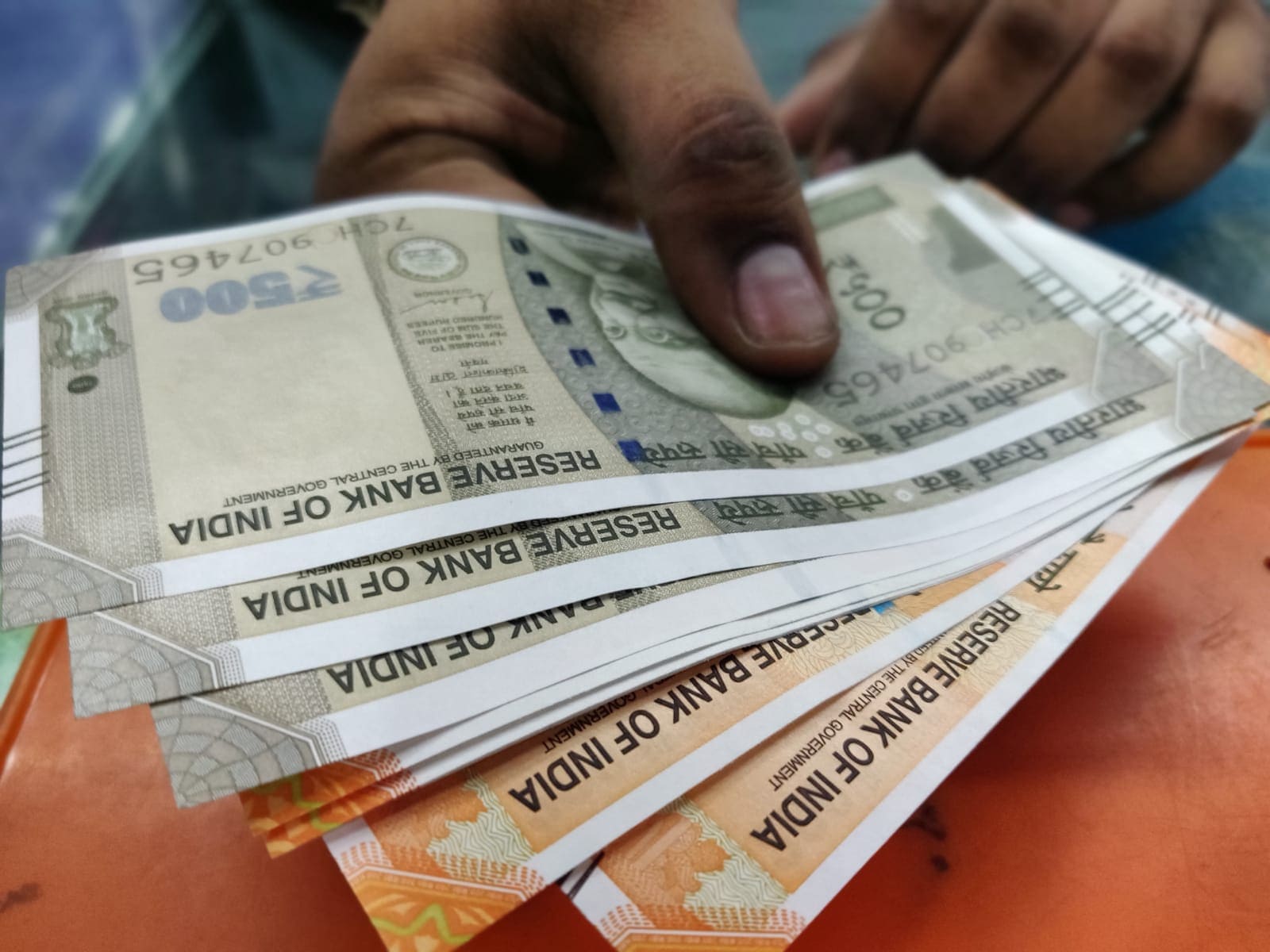
The Indian rupee fell to a record closing low of 77.56 against the U.S. dollar this week, weakened by a stronger dollar, elevated crude oil prices and continued outflows.
With the dollar's strength expected to continue even in the future, the rupee is likely to remain weak, said analysts and economists. A protracted conflict between Russia and Ukraine means that near-term pressure on the Indian currency will continue as oil prices could stay elevated. In the medium term, however, should oil prices ease, the Indian currency could recover, they said.
At present, though, a number of factors are going against the rupee.
Ananth Narayan, senior India analyst at the Observatory Group, listed out some of these in a note dated May 16.
These include:
India has seen persistent outflow of foreign funds, particularly from the equity markets. Year-to-date, these outflows are $22 billion.
Goods trade deficit remains high at about $20 billion per month.
With current account deficit at close to $90 billion and foreign direct investment inflows of about $40-45 billion, there still remains a large gap to be filled by portfolio flows.
"I think short-run dollar-rupee will be volatile – demand for dollars could be persistent. Even if the RBI decides to step in and control the rupee depreciation, in the short term, we could see a spike in dollar-rupee," Narayan wrote.
Data released on Tuesday showed that the RBI had sold $20.1 billion in foreign currency in March.
Analyst forecasts available on Bloomberg suggest the rupee could range between 74-79 against the dollar.
Federal Reserve chairman Jerome Powell's comments that inflation control is a priority even if it means a little pain for labor market, means that the Fed will be very hawkish, said Samir Lodha of forex consultancy QuantArt. That will weigh on the rupee over the next three quarters. "We expect the dollar-rupee to move towards the 80-82 range even though there will be periods of stability in between," Lodha said. The RBI will intervene and slow down the slide of rupee, but will not stop the slide, he added.
As expected, monetary tightening by the U.S. Fed has triggered a portfolio investment outflow, said Sunil Kumar Sinha, principal economist at India Ratings And Research. “This besides higher import bill has put sudden pressure on the Indian rupee and forex reserve.”
India Ratings believes the Indian rupee will depreciate by 4.9% and average 78.19/dollar in FY23.
To be sure, the Indian rupee is not the only currency depreciating.
In Asia, the Chinese yuan and the Malaysian ringgit have fallen more, weakening over 5% each so far this year. However, the Indonesia rupiah, a currency the rupee is often compared to, has seen lesser depreciation of 2.7%.
Emerging market currencies have been most severely hit amidst broad-based dollar strength, said a research note by Bank of Baroda. The MSCI EM currency index has fallen by 1.7% this month alone. Volatility is also a major factor for the markets. For a majority of the currencies analysed, average annualised daily volatility has increased between May 2-13, 2022, compared to April 15- 29, according to analysis by Aditi Gupta, economist at Bank of Baroda.
For now, the rupee will continue to be driven by the direction of the dollar and crude oil prices.
"The rupee faces increased risk of depreciation over the medium term due to confluence of very hawkish Fed and resilient oil prices," said Anindya Banerjee, vice president for currency derivatives at Kotak Securities. "However we expect the RBI to remain an aggressive seller of dollar, capping downside volatility in rupee," said Banerjee.
By year end, he expects the U.S. Federal Reserve's rate hikes to be priced in to the market. That, together with a slowing U.S. economy, could turn flows back towards emerging economies, Banerjee said.

-
Talking Points This Week: Leadership Shock At Nvidia, Earnings Strength, And The Fog Over Hormuz

The Anthropic IPO pricing and first trading day, Nvidia's upcoming earnings, and any fresh signals from Iran will set the tone for the following week.
-
Signature Play: The Classic Cocktail Is Dead. Or Is It?
Classic cocktails are disappearing from India's cocktail menus. But they're still being ordered, taught to bartenders and borrowed from. So, who's really having the last drink?
-
A New Samvat Wishlist: Inclusive Prosperity And Human Development
India has strengthened its economic foundations through infrastructure, digital access and enterprise. Its next growth chapter must deepen productivity, create better livelihoods and widen participation in prosperity.
-
Love, Sex Aur Dhokha: The Audacious Plot To Spy On Jensen Huang
A Taipei dinner, a Singapore chip buyer and a suspected Chinese asset: inside the alleged spy operation that got close to NVIDIA's Jensen Huang.
-
Ten Things I Learnt This Samvat
Patience can be a trap. Cheap stocks can stay cheap. Leverage can wipe you out. What did Samvat 2082 teach us? Niraj Shah writes on 10 lessons from the year gone by.
-
Talking Points This Week: Tech Nerves, FII Buying, And A Faraway Banking Shock
The global markets are not shining this Diwali. The exception in the large markets is, India.
-
Midterm Rally Lasted A Day. The Hard Reality Of A Divided US May Last Two Years | Opinion
Between a contested AI boom, a debt ceiling that arrives in 2027 and a president with every incentive to act alone, the next two years may prove more volatile than the first day's rally suggests.
-
Blue Wave Will Derail the AI Trade but Won't Dismantle the AI Era | Unhedged Position
The Democrats' sweep of the US Congress will see politics collide with economic forces both over the long and short term.
-
It's Time To Take The GST Council's Bet On Trust Global
Payment records can prove India's services exports, and clear, proportionate rules can bring foreign digital sellers into the tax net.
-
Opinion | India at 38: From Innovation Overperformer to Innovation Powerhouse
India now has 453 VC-backed deep science startups, 18 of them late-stage, after 117 percent growth since 2020. Laurus Labs, at USD 9.3 billion, is the most valuable deep science company in any middle-income economy outside China.









