GameStop Drops Most In Two Years After CEO Ouster, Sales Miss
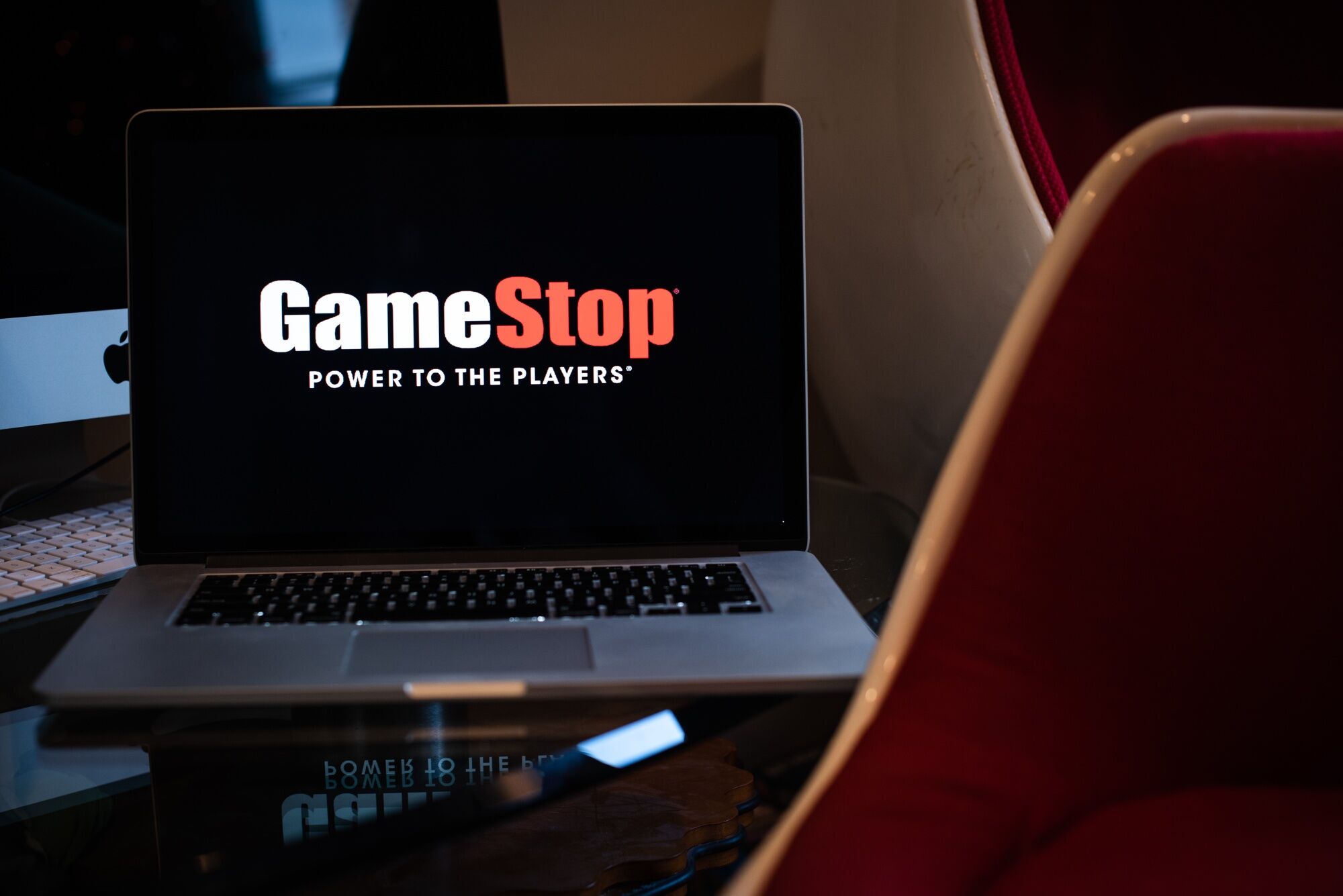
(Bloomberg) -- GameStop Corp., the struggling video-game retailer, fired Matt Furlong, its chief executive officer for the past two years, and said Chairman Ryan Cohen will take on a new executive role. The shares plunged the most in two years.
Cohen's responsibilities as executive chairman of the video-game chain will include management oversight and capital allocation, the company said Wednesday in a statement. GameStop's general counsel, Mark Robinson, will become general manager and principal executive officer.
The money-losing retailer also reported fiscal first-quarter sales that fell short of analysts' estimates. Revenue in the period ended April 29 fell to $1.24 billion, missing estimates of $1.34 billion. The loss in the quarter narrowed to 14 cents and was smaller than the 17 cents analysts projected.
Shares of GameStop fell as much as 23% in early New York trading Thursday. The shares were up 41% this year through the close Wednesday.
GameStop has struggled to adapt to the increasing share of game sales conducted online and away from stores. Annual sales have plunged from a recent peak of $9.36 billion to $5.93 billion last year.
Furlong delivered a profitable holiday quarter for the company, in part due to job cuts and store closings. Cohen said at the time that GameStop would become a much healthier business. The company said in a filing Wednesday that while Furlong was fired as CEO, his resignation from the board “did not result from any disagreement with the company.” GameStop did not provide a reason for the termination.
“We remain convinced that GameStop is doomed, with declining physical software sales and a shift of sales to subscription services and digital downloads sealing its fate,” Michael Pachter, analyst at Wedbush Securities, said in a note. “We don't see a turnaround on the horizon without capable management. The lack of clear direction and the callous termination of Mr. Furlong all but ensures that Mr. Cohen will have difficulty attracting a qualified replacement.”
Read more: GameStop's Cost Discipline Can't Stop Cash Burn: Preview
Cohen is the chain's largest shareholder with 12% of the stock. Shortly after GameStop announced Furlong's departure, Cohen posted a message on Twitter that appears to be a play on his name.
Cohen is the founder of Chewy.com. Despite a historic run-up in GameStop shares in 2021 during the meme-stock craze, he has failed to capitalize on interest in the brand. Management has unsuccessfully experimented with Web3 and a variety of business models for its brick-and-mortar stores.
In its filing, the company said it continues to focus on “three overarching goals: establishing omnichannel retail experience, achieving profitability and leveraging brand equity to support growth.”
(Updates shares in fourth paragraph, adds analyst comment in seventh paragraph)
More stories like this are available on bloomberg.com
©2023 Bloomberg L.P.

-
Getting To Work Costs Women More | The Reason Why

It is not just about women paying more than men. It is about women paying much more in cities than in villages.
-
AI Bias In Investing Cannot Be Eliminated, But It Can Be Governed
Framing is a particularly important example as identical financial information presented in terms of gains rather than losses can lead an LLM to reach a different assessment.
-
Joining The Dots | Dark Skies, Steady Diya: Why Hope Holds This Diwali
With war, a weak rupee and foreign outflows weighing on sentiment, policymakers at the NDTV World Summit and market veterans at NDTV Profit Ignite: Diwali Edition offered the same advice: stay invested and filter out the noise.
-
The Curious Case of Equitas Small Finance Bank And A CEO Who Quit For Stock
PN Vasudevan believes persistent investor concerns over a perceived conflict of interest had become a governance overhang on Equitas Small Finance Bank's stock, even as the lender improved profitability and asset quality.
-
Talking Points This Week: AI Cash Burn, A Tiger Comeback And An India That Still Finds Its Own Path
India is not immune to higher oil or tighter global liquidity, yet its earnings base is broader, its domestic policy levers are still available.
-
Foreign Investors Own Half Of HDFC Bank and ICICI Bank. An LTCG Cut Could Matter Most Here
Foreign portfolio investors have US$115 billion parked in HDFC Bank, ICICI Bank. If the government cuts long-term capital gains tax, Jefferies says returning foreign money could land here first.
-
'Never Seen This Level Of Negativity': Sandeep Tandon Says The Next Rally May Be Closer Than You Think
Veteran investor Sandeep Tandon says foreign selling is easing, large-caps are due a comeback and mid-caps are crowded, while he turns positive on gold, power and pharma this Diwali.
-
Indians Stay With Family, Not In Hotels | The Reason Why
India still lacks enough clean, reliable and affordable hotels for budget-conscious travellers.
-
The Economic Imperative: Analysing The Material Driving Force Behind India-Canada Strategic Reset
This economic complementarity is further reinforced by deep institutional investment ties and talent mobility, which form the bedrock of the bilateral framework.
-
Medicine Pricing: Where Must Profit Stop?
India must confront excessive margins, hidden incentives and regulatory gaps that threaten the integrity of medicine.










