Fed Officials Tout Job-Market Slowdown, Seek To Pivot From Hikes
(Bloomberg) -- Two Federal Reserve officials said slower US employment gains suggest the labor market is coming into better balance, arguing the central bank may soon need to pivot to thinking about how long to hold interest rates at elevated levels.
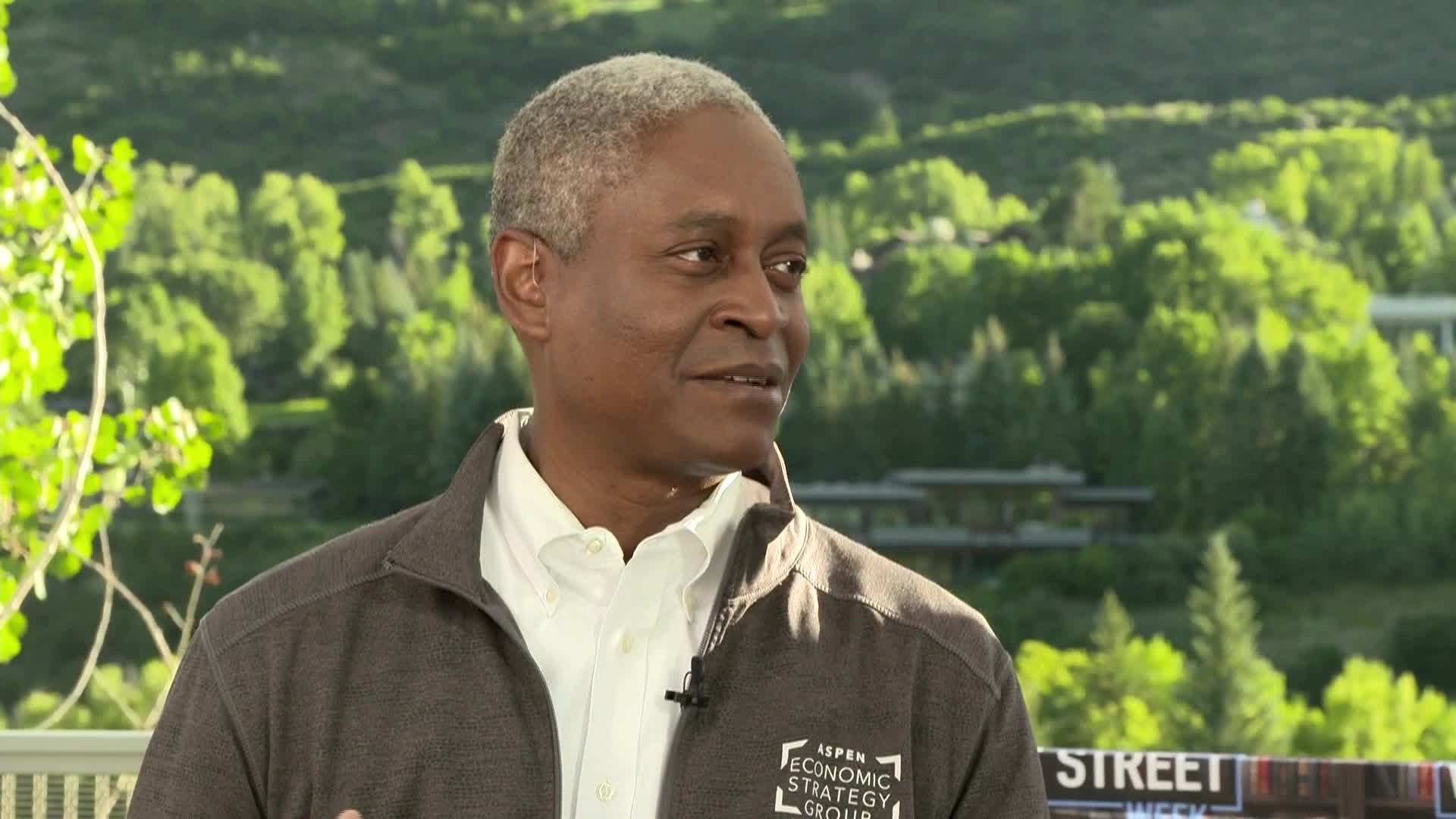
“I expected the economy to slow down in a fairly orderly way, and this number — 187,000 — comes in continuing that pace,” Atlanta Fed President Raphael Bostic said Friday on Bloomberg Television's with David Westin, referring to the July hiring figure in a monthly jobs report published earlier in the day.
“I'm comfortable. I'm not expecting this to be over in a short period of time,” Bostic added in reference to the slowdown, suggesting he doesn't see any need for additional rate hikes.
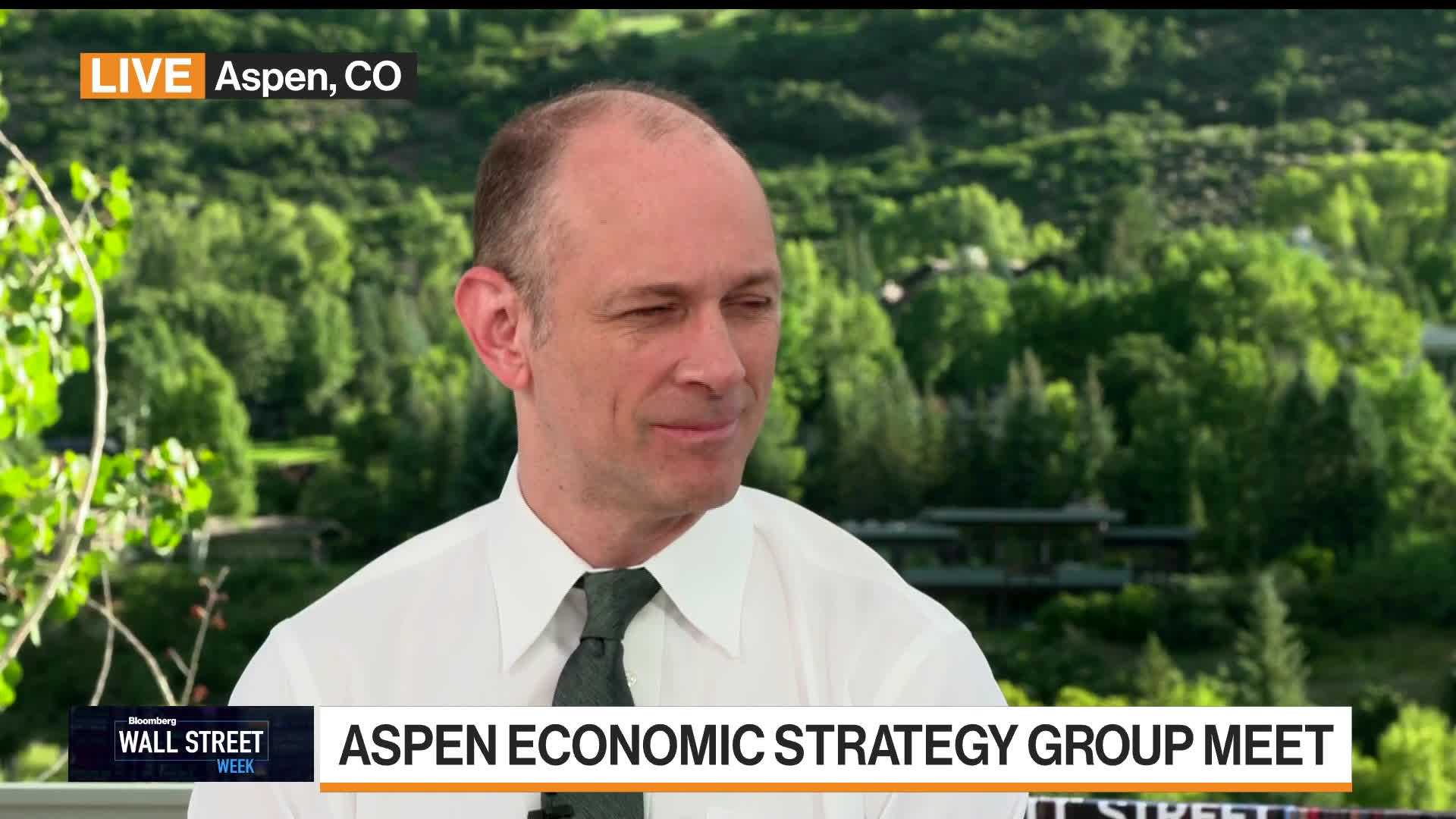
Chicago Fed President Austan Goolsbee, speaking in a separate interview with Westin, said policymakers will need to be patient through the disinflation process, and is hopeful the central bank can bring inflation down to its 2% target without causing a recession. They will soon need to start thinking about when to hold interest rates steady, and for how long, he said.
“Rather than arguing about the peak rate, of how many more rate increases do there need to be, what we should probably start thinking about is how long does this last, that you're going to be at these elevated rates,” Goolsbee said.
“If you hold at 5.25%, 5.5%, 5-and-whatever while inflation goes down, that is a restrictive environment,” he said. “Holding is increasing restrictiveness in that sense.”
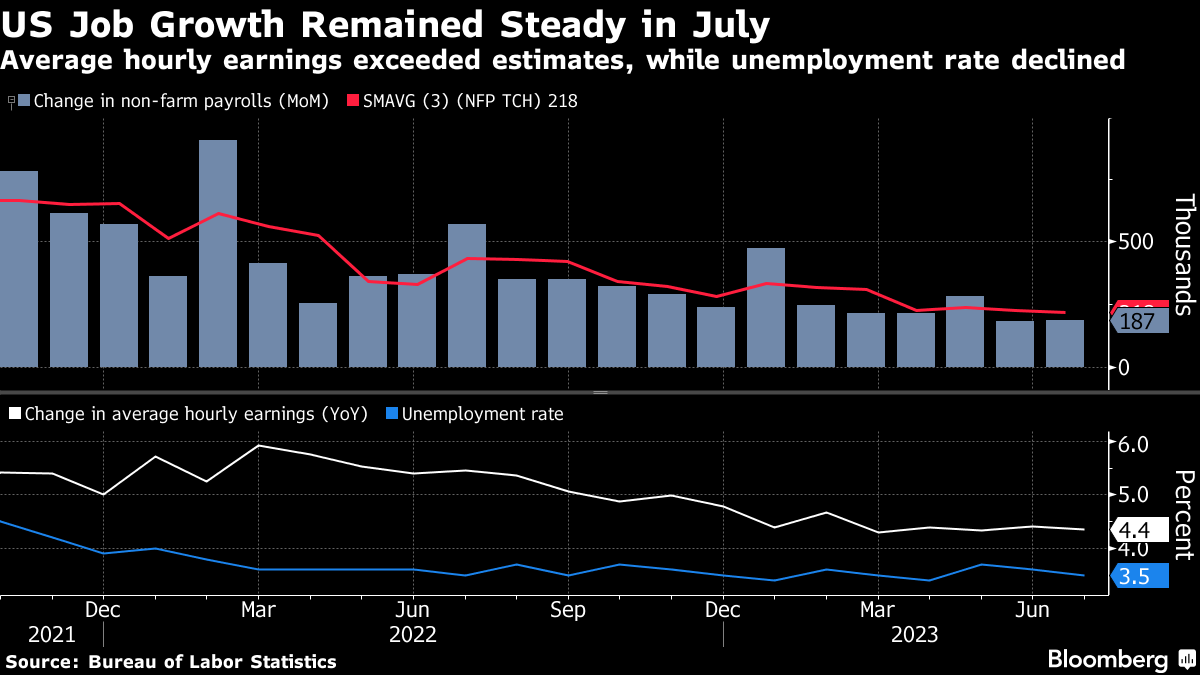
The two Fed officials spoke after a US Bureau of Labor Statistics report showed that employment increased at a solid pace in July, though significantly slower than earlier in the year. Fed officials have been seeking to reduce the rate of economic growth to below its long-term trend in a bid to bring inflation down.
Read More: US Wage Growth, Lower Unemployment Underpin Solid Jobs Market
Goolsbee hasn't said whether or not he supports more rate increases. The median estimate of Fed officials' most recent quarterly projections, published in June, showed two more rate increases this year, the first of which was accomplished with a hike last month. The Fed has three more policy meetings in 2023.
Bostic said the Fed is on a trajectory to get back to its 2% inflation target, and can get there by holding rates at the current level for a long period.
“We are today in a restrictive stance, and as inflation continues to fall, the degree to which it's restrictive actually grows as that gap between the inflation rate and our interest rate widens,” he said. “So I think that will put enough constraint on the economy that it will continue to slow. But again, I'm not expecting this to be a two-month or a three-month period.”
“My outlook is that we'll still be in a restrictive territory well into 2024, and it'll just take a while,” Bostic said.
The Fed raised its benchmark federal funds rate by a quarter percentage point at its July 25-26 meeting, bringing it to a range of 5.25% to 5.5%, the highest level in 22 years. The latest hike followed a pause at the June gathering.
Bostic and Goolsbee both downplayed wage increases that came in above expectations in Friday's report.
“It doesn't surprise me that wages are still strong,” Bostic said. “During this whole high-inflation period, worker wages have trailed inflation for quite some time. And so we're still in that catch-up period, and I expect that we will still see strong wages.”
Goolsbee argued that wages follow inflation, rather than the other way around.
“When we see what's happening with wages today, that's kind of an amalgam of a bunch of stuff that already occurred,” he said.
More stories like this are available on bloomberg.com
©2023 Bloomberg L.P.

-
Signature Play: The Classic Cocktail Is Dead. Or Is It?

Classic cocktails are disappearing from India's cocktail menus. But they're still being ordered, taught to bartenders and borrowed from. So, who's really having the last drink?
-
A New Samvat Wishlist: Inclusive Prosperity And Human Development
India has strengthened its economic foundations through infrastructure, digital access and enterprise. Its next growth chapter must deepen productivity, create better livelihoods and widen participation in prosperity.
-
Love, Sex Aur Dhokha: The Audacious Plot To Spy On Jensen Huang
A Taipei dinner, a Singapore chip buyer and a suspected Chinese asset: inside the alleged spy operation that got close to NVIDIA's Jensen Huang.
-
Ten Things I Learnt This Samvat
Patience can be a trap. Cheap stocks can stay cheap. Leverage can wipe you out. What did Samvat 2082 teach us? Niraj Shah writes on 10 lessons from the year gone by.
-
Talking Points This Week: Tech Nerves, FII Buying, And A Faraway Banking Shock
The global markets are not shining this Diwali. The exception in the large markets is, India.
-
Midterm Rally Lasted A Day. The Hard Reality Of A Divided US May Last Two Years | Opinion
Between a contested AI boom, a debt ceiling that arrives in 2027 and a president with every incentive to act alone, the next two years may prove more volatile than the first day's rally suggests.
-
Blue Wave Will Derail the AI Trade but Won't Dismantle the AI Era | Unhedged Position
The Democrats' sweep of the US Congress will see politics collide with economic forces both over the long and short term.
-
It's Time To Take The GST Council's Bet On Trust Global
Payment records can prove India's services exports, and clear, proportionate rules can bring foreign digital sellers into the tax net.
-
Opinion | India at 38: From Innovation Overperformer to Innovation Powerhouse
India now has 453 VC-backed deep science startups, 18 of them late-stage, after 117 percent growth since 2020. Laurus Labs, at USD 9.3 billion, is the most valuable deep science company in any middle-income economy outside China.









