U.S. Regulator Reiterates Concerns About Dr. Reddy’s Telangana Plant
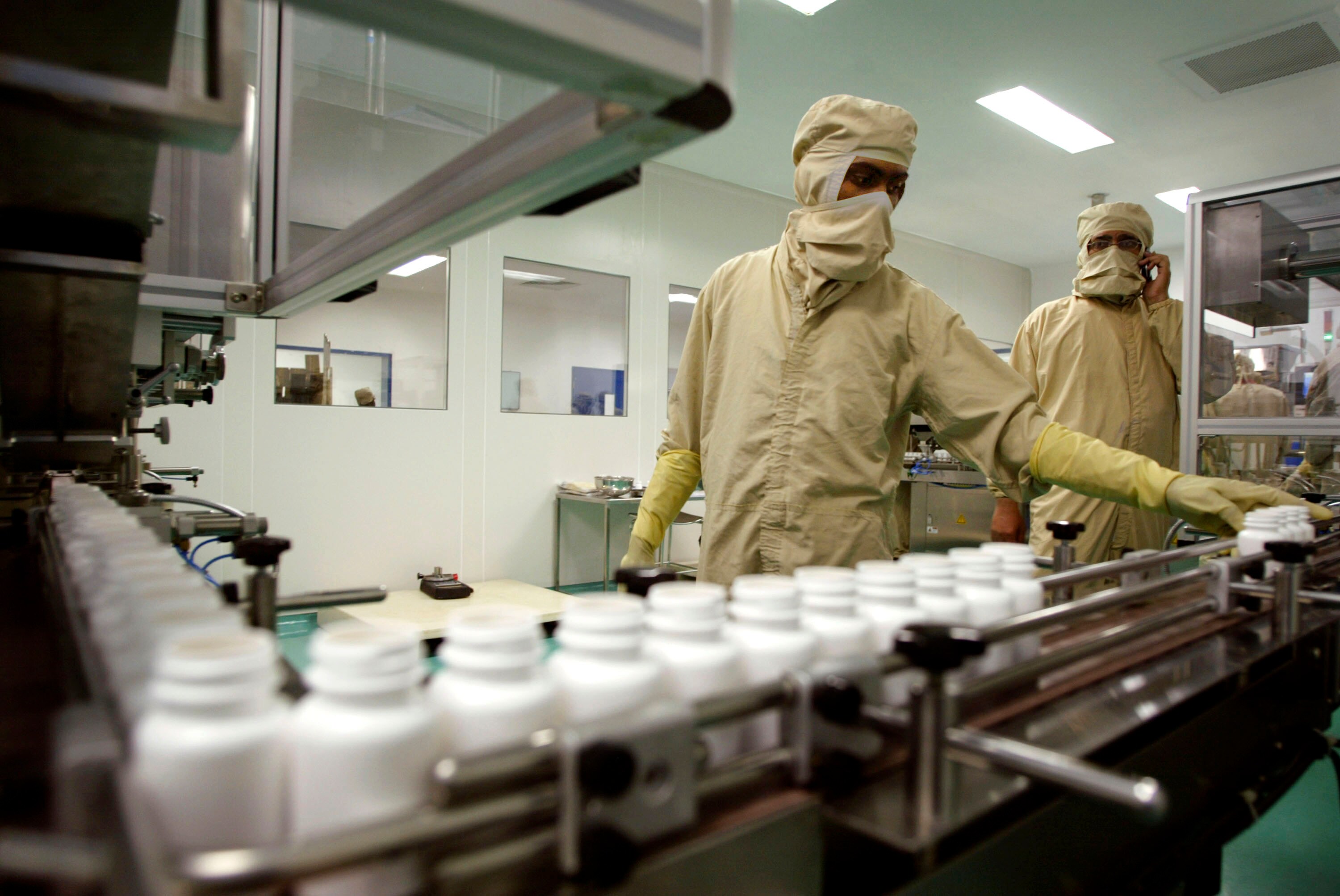
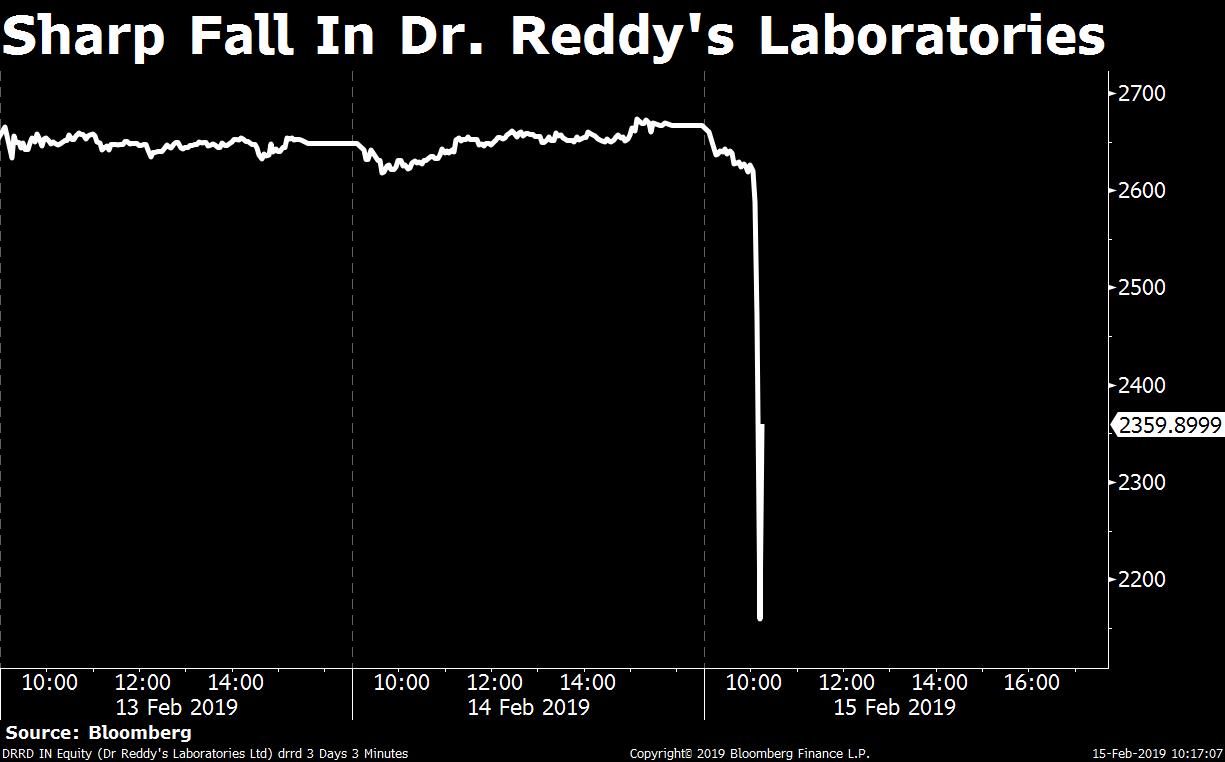
Shares of Dr. Reddy's Laboratories Ltd. tumbled as much as 29.78 percent, the most in more than 17 years, as the U.S. drug regulator reiterated issues regarding manufacturing standards at its plant in Bachupally, Telangana that supplies to the American market.
The U.S. Food and Drug Administration made 11 observations on issues raging from manufacturing procedures to quality control, according to the Form 483 issued by the regulator. Four of these concerns were flagged in a 2017 inspection and one in 2015 as well.
Given the repeat observations and the number of investigations cited, remedial action would take time and will likely require a re-inspection, Piyush Nahar, an analyst at Jefferies, said in a note. The issues are procedural and the company's response will be key, he said.
Shares of the drugmaker plunged to their lowest since April 22, 2013 to Rs 1,859 apiece on the National Stock Exchange. Dr. Reddy's is yet to respond to BloombergQuint's emailed queries.
The Bachupally facility, inspected between Jan. 30 and Feb. 8, accounts for 40-45 percent of Dr. Reddy's U.S. sales, according to Morgan Stanley. North America is the largest contributor to the company's revenue at 47 percent. The majority of that comes from the U.S. where Dr. Reddy's is betting on the generic version of opioid addiction treatment drug Suboxone.
U.S. FDA Observations On Bachupally Plant
- Procedures describing the handling of written and oral complaints related to drug products are deficiently written or followed.
- Quality control unit lacks authority to review production records to assure that no errors have occurred and fully investigate errors that have occurred. (This is a repeat observation for inspection conducted in 2017)
- The quality control unit lacks the responsibility and authority to reject all drug products.
- Appropriate controls are not exercised over computers or related systems to assure that changes in master production and control records or other records are instituted only by authorised personnel. (This is a repeat observation from the inspection conducted in 2017)
- The responsibilities and procedures applicable to the quality control unit are not in writing and fully followed. (This is a repeat observation from the inspection conducted in 2017)
- Master production and control records lack sampling and testing procedures.
- Laboratory controls don't include a determination of conformance to written specifications for in-process materials. (This is a repeat observation from inspections conducted in 2015 and 2017)
- Reserve drug product samples are not representative of each lot or batch of drug product.
- Adequate lab facilities for testing and approval or rejection of in-process materials and drug products are not available to the quality control unit.
- The building lacks adequate space for the orderly placement of equipment and materials to prevent mixups between drug products and to prevent contamination.
- Drains aren't provided with an air break or other mechanical device to prevent back-siphonage where connected directly with a sewer.

-
Gold Is Rs 22,000 Cheaper Than A Month Ago. Should You Buy Amid The Wedding Season?

Gold's potential slide to $3,500 could save around Rs 4,700 per 10 grams, but a soft inflation print could just as easily push prices back up. One way to split the risk is to buy in parts, some now and the rest after the Fed's Dec. 9 decision.
-
AI Agents Are Gaining Power. Who Governs Them?
Artificial intelligence agents promise to transform productivity by moving machines from assisting decisions to executing them. But as organisations delegate greater authority to these AI-agents, they must first establish who controls that authority and who remains accountable when things go wrong.
-
Why Swapping Your Old Gold Can Trigger A Rs 5 Lakh Tax Bill, And How You Can Avoid It Legally
Swapping old gold for new is taxed as a sale and a fresh purchase. Getting your own gold remade can cut most of that bill, though it has its own costs.
-
The AI Trade is Done. The Real Opportunity for Investors Starts in 2027 | Unhedged Position
As pureplay AI stocks plunge and circular, capex-led financing unwinds, 2027 is set to be a year of reckoning for AI companies. Yet the bust clears the way for a better opportunity for investors in 2027 -- shifting the spotlight from AI builders to the companies using AI.
-
Leadership As Mission: Why The Age Of AI Demands More Human Leadership
Debjani Ghosh examines how AI is changing leadership, arguing that its success must be measured by its impact on people and the accountability of those guiding its use.
-
We May Need Another Tukaram Mundhe To Fight Air Pollution | The Reason Why
Developers may install basic measures such as sprinklers and green nets, resume work, and continue violating rules when this equipment stops working.
-
Extracting Value From Battery Scrap Could Be Challenging For India | The Reason Why
A discarded lithium-ion battery still contains valuable materials such as lithium, nickel and cobalt. These can be recovered and reused. When such batteries are crushed and shredded, they produce a dark powder called black mass.
-
One El Nino, India Can Handle. Two Could Break The Granary
India's grain stocks can absorb one bad year, but a second El Nino could drain the buffer in two to three years, economists say.
-
India's Troika Of Good Luck | Joining The Dots
As Jensen Huang's exit drags Nvidia down, a cooling AI trade and resilient earnings have revived investor interest in India. A likely RBI rate hike looms.
-
Talking Points This Week: Leadership Shock At Nvidia, Earnings Strength, And The Fog Over Hormuz
The Anthropic IPO pricing and first trading day, Nvidia's upcoming earnings, and any fresh signals from Iran will set the tone for the following week.









