Stocks Resume Weekly Losses as Jobs Fuel Rate Bets: Markets Wrap
(Bloomberg) -- US stocks resumed their trend of weekly losses after strong hiring data cleared the way for the Federal Reserve to remain aggressive in its fight against inflation. Treasuries fell and the dollar strengthened against peers.
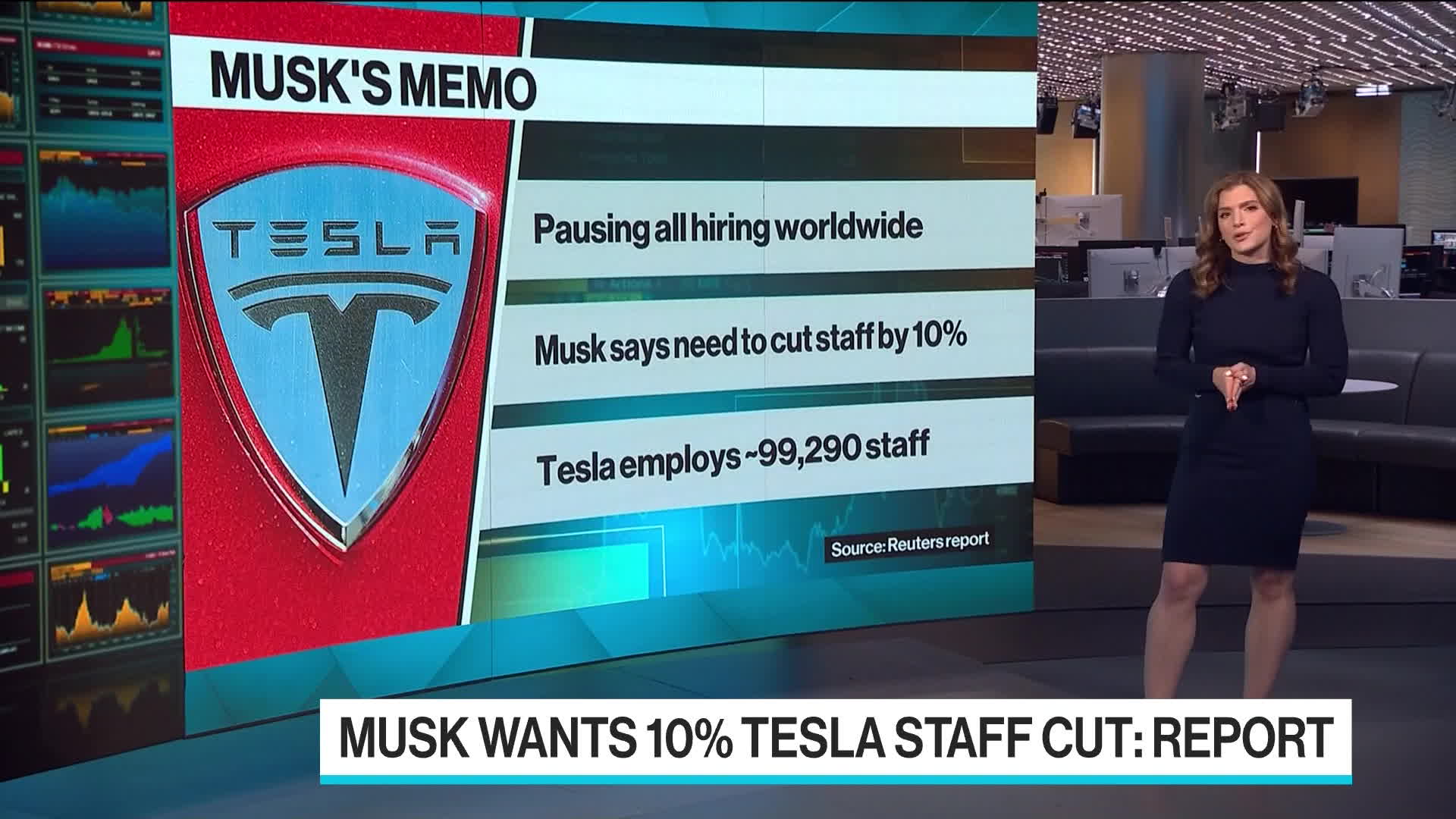
The S&P 500 slumped 1.6% afternoon trading, tipping the benchmark index into negative territory for the eighth week in the past nine periods. Tesla Inc. also dragged tech shares lower Friday after reports the company plans to reduce its salaried workforce. Meanwhile, energy shares advanced as crude reached $120 a barrel in New York.
Stocks turned sharply lower on Friday after May hiring data topped expectations, suggesting the labor market remains robust enough for the Fed to raise rates quickly as it battles runaway price gains. The US central bank is expected to raise rates by 50 basis points at its next two meetings. Market-derived odds for a third hike of that magnitude in September held steady near 85% after the jobs report. Gold slipped.
“The second half of 2022 is going to be a roller coaster ride for investors unless the Fed is able to bring inflation under control without a hard landing,” said Peter Essele, head of portfolio management at Commonwealth Financial Network. “Most investors seem to be wagering on a crash-and-burn scenario at this point as recessionary fears abound, and equity markets fail to develop any sort of positive momentum.”
Investors remain beholden to economic data and how it will impact the pace of US monetary tightening, as worries mount that a restrictive Fed could throw the world's largest economy into a recession. The strong jobs report quelled some concern that growth was slowing too sharply, while at the same time cleared the path for the Fed to stay aggressive.
US May nonfarm payrolls rose 390,000 compared to estimates of 318,000, according to a Bloomberg survey of economists. Meanwhile, the unemployment rate remained unchanged at 3.6% in the month, versus expectations of 3.5%.
Here's what else Wall Street is saying about US payrolls:
- “The labor market is tight and job growth is stable. The Federal Reserve can continue to tighten financial conditions and remove the historic level of accommodation in the markets.” - Jeffrey Roach, chief economist for LPL Financial
- “Another month of solid job growth in May is further evidence that the U.S. economy was not in a recession in the spring ... Americans continue to return to the labor force as the rising cost of living pressures household finances.” - Bill Adams, chief economist for Comerica Bank
- “People were hoping for a number that would maybe dissuade the Fed from their stated plan for continual 50 basis point hikes and quantitative tightening, and they didn't get it today,” Steve Sosnick, chief strategist at Interactive Brokers
- “What this number tells the Fed is: ‘go ahead and keep hiking rates like crazy, because you're not creating unemployment, you can put pain into risk markets to hopefully cool demand.' And that's not what we want to see and I think it's being reflected in the stock market today.” -- Jim Bianco, founder of Bianco Research, on Bloomberg TV
- “We're going to have this face off trying to figure out about the soft landing and the Fed that's probably going to continue well into the fall ... There's just a lot of things that suggest volatility is likely to remain elevated.” - Scott Brown, technical market strategist at LPL Financial
- “Equity futures are initially reacting negatively to the report. We look for volatility to continue as investors struggle to find an appropriate multiple on record earnings. However, full employment in the U.S. is a solid buffer against the risk of slowing global growth.” - John Lynch, chief investment Officer for Comerica Wealth Management
- “Best part about the employment report is the uptick in participation ... The bad part is that we still need millions more working to reduce the pervasive shortages driving inflation. It's frustrating that the Fed is trying to damp down demand and restrict hiring when we need to see a string of strong jobs reports.” - Bryce Doty, senior vice president at Sit Investment Associates
- “The Fed decision is a done deal at this point, so this report is more about what it tells us about underlying demand and the economy's ability to handle everything. It's a good report that shows the general population is coming back into the labor force.” - Shawn Cruz, head trading strategist at TD Ameritrade
Oil rose, securing its sixth straight week of gains. The yen held near the psychologically important 130 level against the greenback. And Bitcoin fell back below $30,000.
How will markets be affected by the Fed's quantitative tightening? QT officially starts Wednesday and is the theme of this week's MLIV Pulse survey. Click here to participate anonymously.
Some of the main moves in markets:
Stocks
- The S&P 500 fell 1.6% as of 4:02 p.m. New York time
- The Nasdaq 100 fell 2.7%
- The Dow Jones Industrial Average fell 1.1%
- The MSCI World index fell 1.1%
Currencies
- The Bloomberg Dollar Spot Index rose 0.4%
- The euro fell 0.2% to $1.0722
- The British pound fell 0.6% to $1.2498
- The Japanese yen fell 0.8% to 130.86 per dollar
Bonds
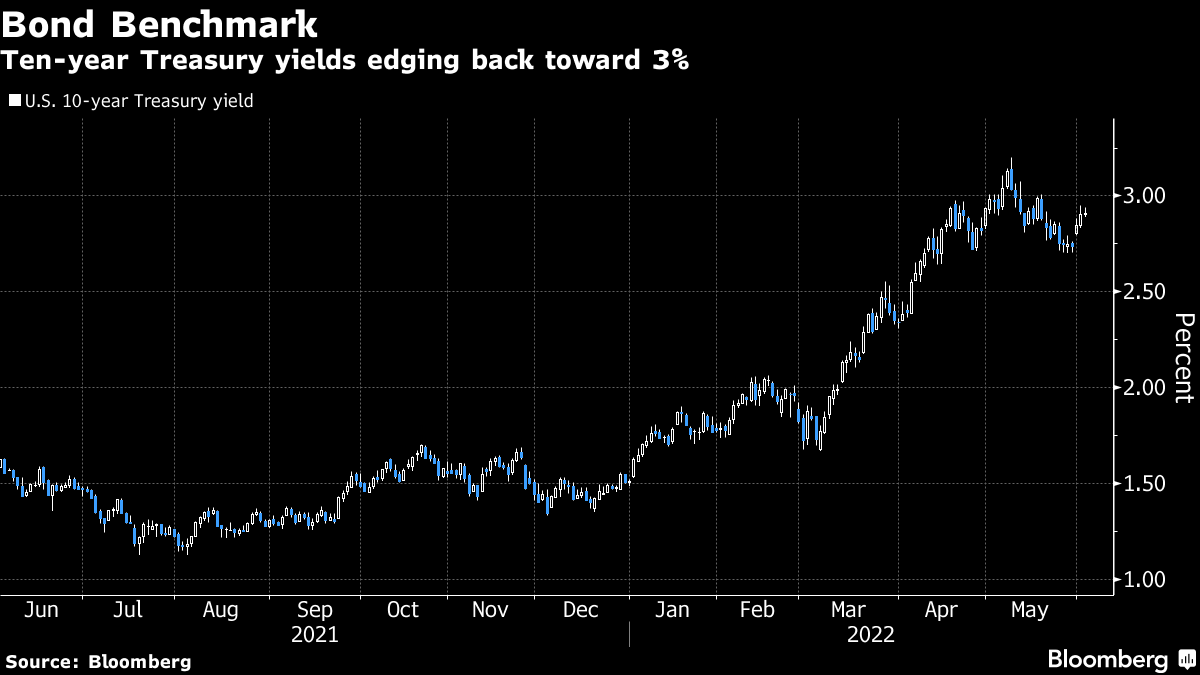
- The yield on 10-year Treasuries advanced three basis points to 2.94%
- Germany's 10-year yield advanced four basis points to 1.27%
Commodities
- West Texas Intermediate crude rose 2.9% to $120.28 a barrel
- Gold futures fell 1% to $1,853.60 an ounce
(A previous verison corrected the headline to reflect bets on rate hikes not cuts)
More stories like this are available on bloomberg.com
©2022 Bloomberg L.P.

-
Talking Points This Week: Leadership Shock At Nvidia, Earnings Strength, And The Fog Over Hormuz

The Anthropic IPO pricing and first trading day, Nvidia's upcoming earnings, and any fresh signals from Iran will set the tone for the following week.
-
Signature Play: The Classic Cocktail Is Dead. Or Is It?
Classic cocktails are disappearing from India's cocktail menus. But they're still being ordered, taught to bartenders and borrowed from. So, who's really having the last drink?
-
A New Samvat Wishlist: Inclusive Prosperity And Human Development
India has strengthened its economic foundations through infrastructure, digital access and enterprise. Its next growth chapter must deepen productivity, create better livelihoods and widen participation in prosperity.
-
Love, Sex Aur Dhokha: The Audacious Plot To Spy On Jensen Huang
A Taipei dinner, a Singapore chip buyer and a suspected Chinese asset: inside the alleged spy operation that got close to NVIDIA's Jensen Huang.
-
Ten Things I Learnt This Samvat
Patience can be a trap. Cheap stocks can stay cheap. Leverage can wipe you out. What did Samvat 2082 teach us? Niraj Shah writes on 10 lessons from the year gone by.
-
Talking Points This Week: Tech Nerves, FII Buying, And A Faraway Banking Shock
The global markets are not shining this Diwali. The exception in the large markets is, India.
-
Midterm Rally Lasted A Day. The Hard Reality Of A Divided US May Last Two Years | Opinion
Between a contested AI boom, a debt ceiling that arrives in 2027 and a president with every incentive to act alone, the next two years may prove more volatile than the first day's rally suggests.
-
Blue Wave Will Derail the AI Trade but Won't Dismantle the AI Era | Unhedged Position
The Democrats' sweep of the US Congress will see politics collide with economic forces both over the long and short term.
-
It's Time To Take The GST Council's Bet On Trust Global
Payment records can prove India's services exports, and clear, proportionate rules can bring foreign digital sellers into the tax net.
-
Opinion | India at 38: From Innovation Overperformer to Innovation Powerhouse
India now has 453 VC-backed deep science startups, 18 of them late-stage, after 117 percent growth since 2020. Laurus Labs, at USD 9.3 billion, is the most valuable deep science company in any middle-income economy outside China.









