Lights, Camera, Planet: ALTEFF Is A Film Festival For The Environmentally-Enthusiatic
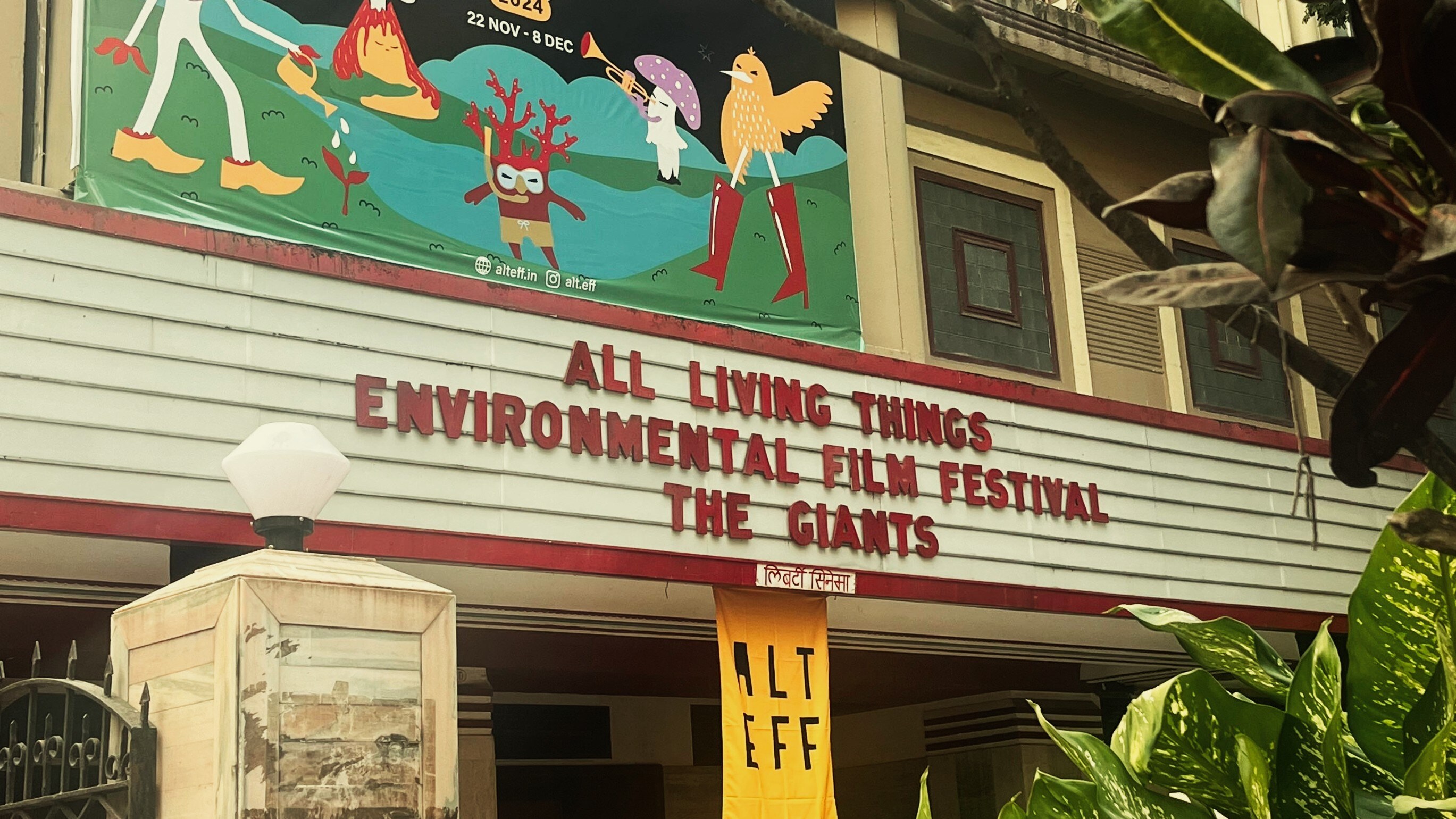
When Kunal Khanna decided to step away from economics and dive into the world of environmental storytelling, he wanted to create a space in India that could do more than just talk about the climate crisis—it could move people to act.
Thus, in 2020, amid the global pandemic, the All Living Things Environmental Film Festival was born, starting as a virtual event before expanding its reach.
Now, four years later, ALTEFF has grown into one of the most dynamic environmental film festivals in India, with screenings in over 110 locations in 2024. But this isn't your average film fest. ALTEFF has purposefully ditched a single flagship venue in favour of decentralisation—a strategy born out of its mission to be inclusive and accessible to audiences across the country.
"Film and storytelling are among the most powerful tools we have to change perceptions and inspire action," said Khanna, who champions the medium as uniquely equipped to break out of echo chambers. Sure, you can scroll through climate crisis statistics on Instagram or skim a paper on carbon emissions, but watching a film? That's a visceral experience.
ALTEFF curates films that align with its mission, covering key themes across a broad environmental perspective. These screenings range from smaller 10-person gatherings, to larger events hosting around 400 viewers. On its opening night, the festival drew a crowd of 700 people, marking its steady rise in popularity.
But ALTEFF isn't just about sitting in a darkened room with popcorn. The festival doubles as a community mobiliser. Whether it's workshops, school screenings (700 this year!), or its new film club, ALTEFF is starting conversations and building momentum around climate action.
"We had audiences everywhere," says Khanna, "and hosting in just one place would limit access." The team, thus, pivoted to their decentralised model—taking the festival to the people instead of making them come to it.
This year's impressive 110 screenings mark a milestone in its growing footprint.
Running a film festival isn't cheap, and ALTEFF depends largely on philanthropy, ticket sales, and the occasional corporate sponsor to keep the reels spinning. Uber, the Rohini Nilekani Foundation, Rainmatter Foundation, and others have lent their support, ensuring the festival stays true to its mission.
Additionally, ALTEFF is not just about screening films—it's about creating them too. The festival actively funds and co-produces climate-focused storytelling, hoping to amplify underrepresented voices and unearth compelling narratives.
This year, ALTEFF boasts an impressive jury lineup. Renowned actress and UN Environment Goodwill Ambassador Dia Mirza joined conservation journalist Swati Thiyagarajan, filmmaker CS Venkiteswaran and naturalist Yuvan Aves to evaluate the festival's offerings.
Khanna is clear about one thing: ALTEFF isn't a solution—it's a spark. "We're just a catalyst to get the conversation started," he said. And the strategy is working. Celebrities like Dia Mirza on the jury and Alia Bhatt, founder of festival-partner Eternal Sunshine Productions, brought visibility to the cause, while grassroots screenings introduced climate issues to new audiences. It's this blend that helps ALTEFF break out of its niche and into the mainstream.

-
One Battle After Another: India's Corporate Dynasties Battle For Control

2026 could go down as Corporate India's year of succession wars, governance battles and family fault lines.
-
Rs 50-Lakh Gold In Bank Locker, Rs 3 Lakh Of Protection: The Gap Most Families Don't Know About
The RBI ties a bank's liability to the annual locker rent and families who want to insure their jewellery face a separate question about how to prove what was inside.
-
The More Food Turns Into Fuel, The Harder It Is To Read Agricultural Markets | The Reason Why
A policy designed to reduce dependence on imported fuel can create new pressures elsewhere in the food economy.
-
Your iPhone Costs 12 Grams Of Gold, A Car About 100. What Does Your Life Weigh?
Measured in rupees, almost everything looks more expensive than it did a generation ago. Measured in grams of gold, a lot of it has become cheaper.
-
Gold Is Rs 22,000 Cheaper Than A Month Ago. Should You Buy Amid The Wedding Season?
Gold's potential slide to $3,500 could save around Rs 4,700 per 10 grams, but a soft inflation print could just as easily push prices back up. One way to split the risk is to buy in parts, some now and the rest after the Fed's Dec. 9 decision.
-
AI Agents Are Gaining Power. Who Governs Them?
Artificial intelligence agents promise to transform productivity by moving machines from assisting decisions to executing them. But as organisations delegate greater authority to these AI-agents, they must first establish who controls that authority and who remains accountable when things go wrong.
-
Why Swapping Your Old Gold Can Trigger A Rs 5 Lakh Tax Bill, And How You Can Avoid It Legally
Swapping old gold for new is taxed as a sale and a fresh purchase. Getting your own gold remade can cut most of that bill, though it has its own costs.
-
The AI Trade is Done. The Real Opportunity for Investors Starts in 2027 | Unhedged Position
As pureplay AI stocks plunge and circular, capex-led financing unwinds, 2027 is set to be a year of reckoning for AI companies. Yet the bust clears the way for a better opportunity for investors in 2027 -- shifting the spotlight from AI builders to the companies using AI.
-
Leadership As Mission: Why The Age Of AI Demands More Human Leadership
Debjani Ghosh examines how AI is changing leadership, arguing that its success must be measured by its impact on people and the accountability of those guiding its use.
-
We May Need Another Tukaram Mundhe To Fight Air Pollution | The Reason Why
Developers may install basic measures such as sprinklers and green nets, resume work, and continue violating rules when this equipment stops working.









