Kohli Remains No. 1, Deepika’s Brand Value Falls Nearly By Half
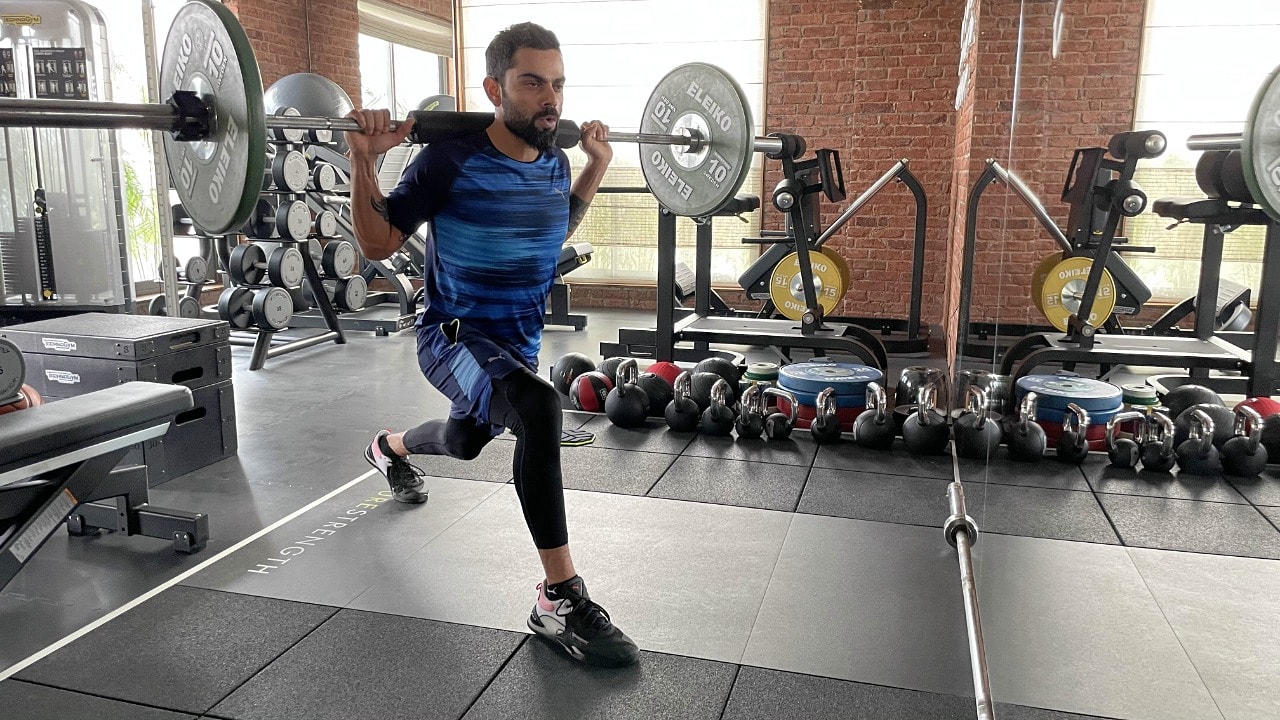
Actor Deepika Padukone's brand value fell nearly by half in the pandemic-hit year even as cricketer Virat Kohli remained the most valued Indian celebrity in a league dominated by Bollywood stars.
Kohli, captain of the Indian cricket team, had a brand value of $237.7 million in 2020, according to Duff & Phelps Brand Value Report. Actor Akshay Kumar retained his second position with his brand value rising to $118.9 million.
Actor Ranveer Singh, with value growing to $102.9 million, kept his third place. But Padukone, who ranked third along with her husband in 2019, dropped to the fifth spot as her brand value fell to $50.4 million from $93.5 million.
Padukone's total number of endorsements did come down because she didn't have a major release after “Chapaak”, and she was also caught in a controversy, Aviral Jain, managing director at Duff & Phelps, said without elaborating.
Duff and Phelps said the brand value of a celebrity is based purely on their earnings potential from product brand endorsements. The assessment is based on the relative brand rankings of celebrities, average endorsement fee rates, normalised number of annual endorsements and applicable brand multiples, it said
Bollywood star Shah Rukh Khan moved up to the fourth rank at $51.1 million. Actor Kartik Aryan entered the club at 20.

The combined brand value of the top 20 celebrities declined 5% over a year earlier to $1 billion in the pandemic-hit year. According to Duff & Phelps, while the market grew 7% to Rs 1.75 lakh crore in 2019-20 fiscal, the pace nearly halved from 13% a year earlier. Advertising and marketing budgets have drastically fallen, in some cases impacting the celebrity endorsement space which may see a reduction of 15-20%, it said.
Kohli, Kumar and Singh are the primary choice of product brands seeking to engage and attract consumers, Varun Gupta, managing director and Asia Pacific leader, valuation advisory services at Duff & Phelps, said in the report. And millennials continue to climb the ladder, he said.
Traditional media and outdoor entertainment formats were severely impacted by lockdown and travel restrictions, celebrities have had to turn online for brand engagements and have now become more digital-oriented, the report said.
Earlier, an endorsement deal would traditionally focus more on in-person offline appearances at launch events, shoots, fan engagements and shows, which constitutes about 80% of the earnings. But now, according to the report, a celebrity's deliverables are restricted to digital, comprising 5% of the total fee.
Penetration of OTT platforms and escalation of social media have increased as a marketing tool, the report quoted Jogesh Lulla, chief operating officer at Cornerstone, a social media, digital marketing, licensing and merchandising firm, as saying. “Celebrities have continued to actively endorse products and services during the pandemic, while also being socially aware.”
Lulla cited Kohli's association with Vize sanitisers. He chose to donate all his profit to proceeds to help those affected by the pandemic.

-
The Economic Imperative: Analysing The Material Driving Force Behind India-Canada Strategic Reset

This economic complementarity is further reinforced by deep institutional investment ties and talent mobility, which form the bedrock of the bilateral framework.
-
Medicine Pricing: Where Must Profit Stop?
India must confront excessive margins, hidden incentives and regulatory gaps that threaten the integrity of medicine.
-
Why Amazon And Flipkart Are Struggling To Beat Meesho In India's Smaller Cities
With 274 million users and lowest-cost logistics, Meesho is defending its value commerce crown against giants like Amazon and Flipkart.
-
High US Salaries, No Green Card Certainty: The Financial Calculation Facing Indian H-1B Families
The suspension of PERM processing at eight technology employers does not cancel existing H-1B visas. What it does is force a question many Indian families have been avoiding: is the US salary worth tying your career and family plans to one employer?
-
Swiggy vs Eternal: Food Delivery's Two Rivals Are No Longer In The Same Race
Eternal is building a private AI assistant, dark.ai. Swiggy is still working out how to make Instamart pay, with an operating loss of Rs 895 crore in the July-September quarter while Blinkit stayed profitable.
-
Where You Live Shapes How You Get To Work | The Reason Why
Two-wheelers are the most popular way to get to work in India, accounting for nearly 43% of workplace commutes.
-
Unhedged Position: Can India See An Indonesia-Style Time Correction?
The Nifty is trading below levels it first clocked in 2024. Is there, then, as I have suggested in the headline, potential that the current time correction drags on painfully for the next three-five, even ten years?
-
Navigating Friction And Energy Realities: An Analysis Of Marco Rubio's October Visit To India
Occurring at a critical juncture marked by stalled trade negotiations and escalating geopolitical pressures over global energy supplies, the visit offers a profound window into modern US-India relations.
-
India Exports Capital. Why Not Export Trusteeship?
The big question, then, is whether India can build an institution that global borrowers, investors, banks, and lawyers can trust, even without an Indian connection.
-
France's Economy & Politics Are In Crisis | The Reason Why
Let's look at how the French economy and politics evolved under Nicolas Sarkozy, Franois Hollande and Emmanuel Macron.










