JLR Begins Recovery After Cyberattack; Key Systems Back Online
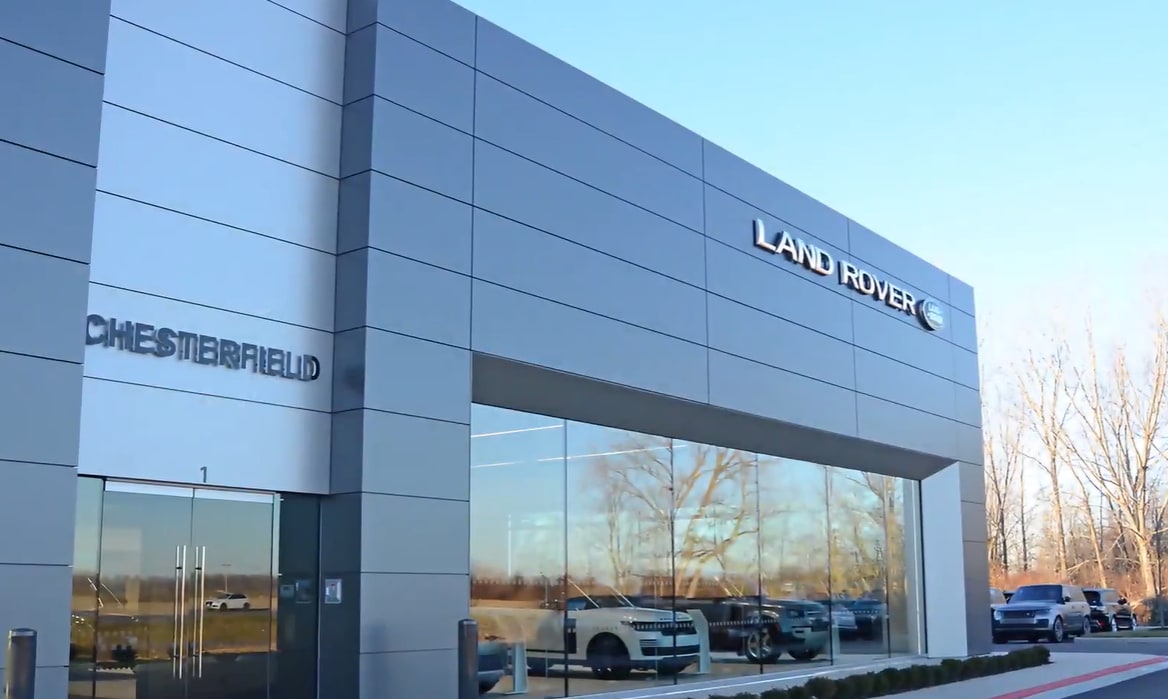
Sections of Jaguar Land Rover Automotive Plc's IT systems are back up and running, a company statement from the Tata Motors subsidiary announced on Thursday. The statement comes after the company was attacked by cybercriminals nearly a month ago.
"As part of the controlled, phased restart of our operations, today we have informed colleagues, suppliers and retail partners that sections of our digital estate are now up and running. The foundational work of our recovery programme is firmly underway," the company said.
The cyberattack on Tata Motors-owned Jaguar Land Rover, which occurred last month, significantly disrupted operations by shutting down global IT systems and stopping manufacturing and retail activities for the auto major.
The company was prolonging the closure of its manufacturing plants until Oct. 1 at least, which not only endangers the viability of small suppliers but is also causing apprehensions among workers.
In the statement shared by Tata Motors to the exchanges, JLR said, "We have significantly increased IT processing capacity for invoicing. We are now working to clear the backlog of payments to our suppliers as quickly as we can".
The company's Global Parts Logistics Centre, which supplies the parts distribution centres for retailer partners in the UK and around the world, is now returning to full operations. "This will enable our retail partners to continue to service our clients' vehicles and keep our customers mobile," the company said.
A key system that is now functioning as usual include the financial system used to process the wholesale of vehicles, enabling the company to sell and register vehicles for clients faster, delivering vital cash flow.
The company also said that dedicated teams are working around the clock alongside cybersecurity specialists, the UK Government's NCSC and law enforcement.

-
Extracting Value From Battery Scrap Could Be Challenging For India | The Reason Why

A discarded lithium-ion battery still contains valuable materials such as lithium, nickel and cobalt. These can be recovered and reused. When such batteries are crushed and shredded, they produce a dark powder called black mass.
-
One El Nino, India Can Handle. Two Could Break The Granary
India's grain stocks can absorb one bad year, but a second El Nino could drain the buffer in two to three years, economists say.
-
India's Troika Of Good Luck | Joining The Dots
As Jensen Huang's exit drags Nvidia down, a cooling AI trade and resilient earnings have revived investor interest in India. A likely RBI rate hike looms.
-
Talking Points This Week: Leadership Shock At Nvidia, Earnings Strength, And The Fog Over Hormuz
The Anthropic IPO pricing and first trading day, Nvidia's upcoming earnings, and any fresh signals from Iran will set the tone for the following week.
-
Signature Play: The Classic Cocktail Is Dead. Or Is It?
Classic cocktails are disappearing from India's cocktail menus. But they're still being ordered, taught to bartenders and borrowed from. So, who's really having the last drink?
-
A New Samvat Wishlist: Inclusive Prosperity And Human Development
India has strengthened its economic foundations through infrastructure, digital access and enterprise. Its next growth chapter must deepen productivity, create better livelihoods and widen participation in prosperity.
-
Love, Sex Aur Dhokha: The Audacious Plot To Spy On Jensen Huang
A Taipei dinner, a Singapore chip buyer and a suspected Chinese asset: inside the alleged spy operation that got close to NVIDIA's Jensen Huang.
-
Ten Things I Learnt This Samvat
Patience can be a trap. Cheap stocks can stay cheap. Leverage can wipe you out. What did Samvat 2082 teach us? Niraj Shah writes on 10 lessons from the year gone by.
-
Talking Points This Week: Tech Nerves, FII Buying, And A Faraway Banking Shock
The global markets are not shining this Diwali. The exception in the large markets is, India.
-
Midterm Rally Lasted A Day. The Hard Reality Of A Divided US May Last Two Years | Opinion
Between a contested AI boom, a debt ceiling that arrives in 2027 and a president with every incentive to act alone, the next two years may prove more volatile than the first day's rally suggests.









