Jaguar Land Rover CEO Adrian Mardell Seeks To Step Down Amid Trump Tariff Disruptions
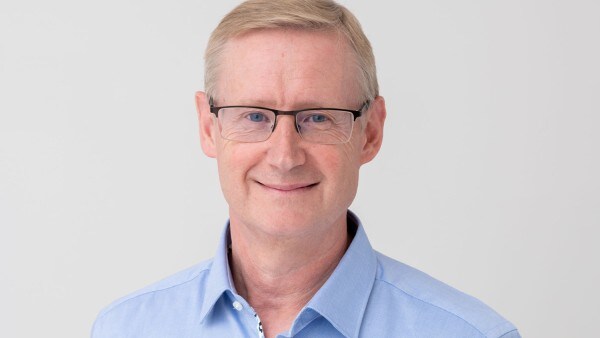
Jaguar Land Rover Chief Executive Officer Adrian Mardell is likely to step down from his position amid the disruptions triggered by the tariff policy of the United States — one of the key markets for the company, reported Bloomberg.
A company spokesperson told the news agency on Thursday that Mardell, who has been with JLR for around 35 years, has "expressed his desire to retire." This comes three years after he took over as the CEO of the luxury sports car maker. His successor will likely be announced in due course.
Mardell was appointed to the position of CEO in November 2022, after the sudden departure of Thierry Bollore. Prior to that, he was JLR's chief financial officer and has led the brand through one of the most transformative periods. He helped the company transition from posting heavy losses and huge debt to posting the best profit figures for a decade last year.
He joined JLR in 1990, serving in various roles over the past three decades. In 2008, he became deputy chief financial officer and operations controller, and subsequently chief transformation officer.
Mardell has also overseen the formation of JLR's House of Brands retail strategy during his tenure in the company.
While Mardell is likely to leave the company in a relatively stable position than when he had taken up the job, the company still have to face strong headwinds in the form of tariffs.
The company, owned by Tata Motors Ltd., was among a number of carmakers to withhold profit guidance at the height of the US tariff uncertainty. The UK recently finalised a trade deal with US that reduced the US import tariff on its exported cars to 10% from the earlier 25%. However, this is applicable only for the first 1 lakh cars shipped to the US in a year, indicating that any cars beyond that number would still face a tariff of 25%.

-
One Battle After Another: India's Corporate Dynasties Battle For Control

2026 could go down as Corporate India's year of succession wars, governance battles and family fault lines.
-
Rs 50-Lakh Gold In Bank Locker, Rs 3 Lakh Of Protection: The Gap Most Families Don't Know About
The RBI ties a bank's liability to the annual locker rent and families who want to insure their jewellery face a separate question about how to prove what was inside.
-
The More Food Turns Into Fuel, The Harder It Is To Read Agricultural Markets | The Reason Why
A policy designed to reduce dependence on imported fuel can create new pressures elsewhere in the food economy.
-
Your iPhone Costs 12 Grams Of Gold, A Car About 100. What Does Your Life Weigh?
Measured in rupees, almost everything looks more expensive than it did a generation ago. Measured in grams of gold, a lot of it has become cheaper.
-
Gold Is Rs 22,000 Cheaper Than A Month Ago. Should You Buy Amid The Wedding Season?
Gold's potential slide to $3,500 could save around Rs 4,700 per 10 grams, but a soft inflation print could just as easily push prices back up. One way to split the risk is to buy in parts, some now and the rest after the Fed's Dec. 9 decision.
-
AI Agents Are Gaining Power. Who Governs Them?
Artificial intelligence agents promise to transform productivity by moving machines from assisting decisions to executing them. But as organisations delegate greater authority to these AI-agents, they must first establish who controls that authority and who remains accountable when things go wrong.
-
Why Swapping Your Old Gold Can Trigger A Rs 5 Lakh Tax Bill, And How You Can Avoid It Legally
Swapping old gold for new is taxed as a sale and a fresh purchase. Getting your own gold remade can cut most of that bill, though it has its own costs.
-
The AI Trade is Done. The Real Opportunity for Investors Starts in 2027 | Unhedged Position
As pureplay AI stocks plunge and circular, capex-led financing unwinds, 2027 is set to be a year of reckoning for AI companies. Yet the bust clears the way for a better opportunity for investors in 2027 -- shifting the spotlight from AI builders to the companies using AI.
-
Leadership As Mission: Why The Age Of AI Demands More Human Leadership
Debjani Ghosh examines how AI is changing leadership, arguing that its success must be measured by its impact on people and the accountability of those guiding its use.
-
We May Need Another Tukaram Mundhe To Fight Air Pollution | The Reason Why
Developers may install basic measures such as sprinklers and green nets, resume work, and continue violating rules when this equipment stops working.









