Model Tenancy Law Approved By Cabinet For States To Adopt
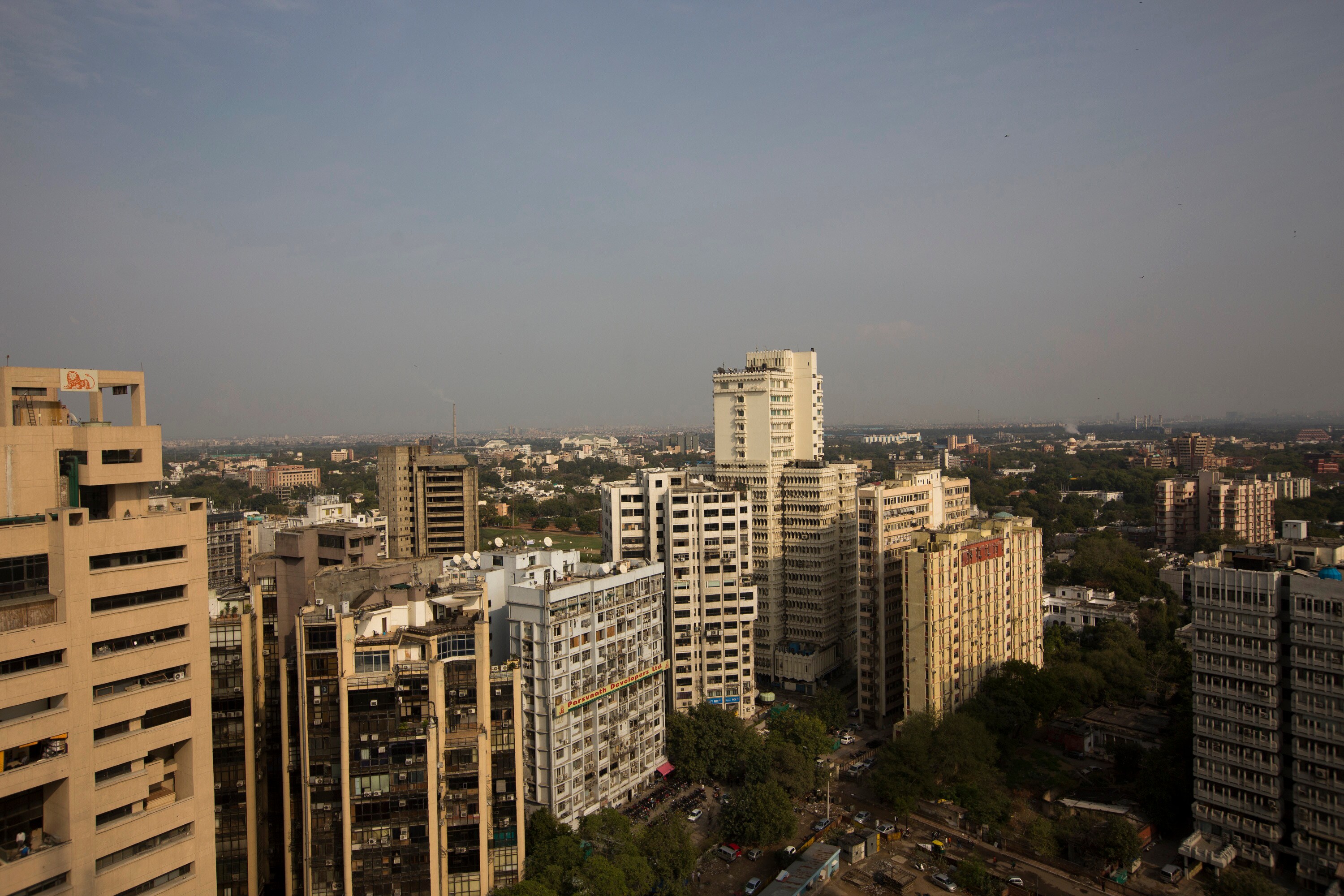
Almost two years after announcing it, the union cabinet approved the Model Tenancy Act that aims to boost rental housing in the country and reduce litigation.
The law bars subletting without the permission of the landlord, fixes limits for security deposits, includes relief during unexpected disasters, and provides for a faster dispute resolution by creating a rent authority, a rent court, and a rent tribunal, according to a government statement. Such cases won't come under the jurisdiction of civil courts.
Most of the provisions of the new law are in line with the draft released earlier for discussion.
“The Model Tenancy Act will facilitate the unlocking of vacant houses for rental housing purposes,” the statement said. “It is expected to give a fillip to private participation in rental housing as a business model for addressing the huge housing shortage.”
A clearer, more stable legal framework for tenancies will help unlock housing stock in India, according to the government. As per the 2011 census over one crore properties were lying vacant. That number is likely to have increased over the last decade.
This law can fuel the rental housing supply pipeline by attracting investors, and more stock will aid students, working professionals, and migrant populations to find urban accommodation, especially in Covid-like exigencies, according to Anuj Puri, chairman at Anarock Property Consultants. “It will go a long way in formalising and stabilising the rental market and would also revive the fortunes of not just the rental market but the housing sector at large, Puri said in an emailed comment.
The law will help unlock vacant houses for rental purposes, agreed Niranjan Hiranandani, national president at developers lobby Naredco. “It is expected to give a fillip to private participation in rental housing as a business model for addressing the huge housing shortage. The act will help institutionalise rental housing by gradually shifting it towards the formal market, he said in a short statement.
Here are the key highlights of the Model Tenancy Act that provides states and union territories a framework to enact fresh laws or amend the existing ones:
Operational
After the act is in force, no person shall let out or take on rent any premises except by an agreement in writing.
It will be applicable prospectively and will not affect existing tenancies.
The law seeks to cover urban and rural areas.
Written agreement to be submitted to the rent authority; a digital platform will be set up in the local vernacular language.
Seeks to avoid dispute by clarifying the roles and responsibilities of the landlord as well as the tenant.
Subletting of premises can only be with the prior consent of the landlord.
No structural change in the premises by the tenant without the written consent of the landlord.
Monetary
Rent and duration of tenancy to be fixed by mutual consent between the owner and the tenant through a written agreement; no monetary ceiling.
The security deposit should be a maximum of two months' rent in case of residential premises and up to six month's rent in case of non-residential premises.
Dispute Redressal
Time-bound and robust grievance redressal mechanism comprising the rent authority, the rent court, and the rent tribunal to provide fast-track resolution.
Disposal of complaint/appeal by the rent court and the tribunal within 60 days.
The tenant will continue to pay the rent even during the pendency of a dispute.
No eviction of tenant during the tenancy period, except in accordance with provisions of the act.
Jurisdiction of civil courts barred.
Force Majeure
In case of a force majeure event, the landlord shall allow the tenant to continue in possession till a period of one month from the date of cessation of such disastrous event on the terms of the existing tenancy agreement.
Under the memorandum of understanding signed under Pradhan Mantri Awas Yojana-Urban, the states and union territories would either legislate or amend existing rental laws on the lines of the model law.
In an emailed comment to media, Samantak Das, chief economist and head of research & REIS at JLL, cited the example of the Real Estate Regulation Act that helped states like Maharashtra to make MahaRERA successful to a large extent. “We may expect tenancy acts in states to become more efficient in providing a level-playing field to both owners and tenants.”
Puri, however, cautioned that it remains to be seen “to what extent the states will toe the central government's line”.

-
One El Nino, India Can Handle. Two Could Break The Granary

India's grain stocks can absorb one bad year, but a second El Nino could drain the buffer in two to three years, economists say.
-
India's Troika Of Good Luck | Joining The Dots
As Jensen Huang's exit drags Nvidia down, a cooling AI trade and resilient earnings have revived investor interest in India. A likely RBI rate hike looms.
-
Talking Points This Week: Leadership Shock At Nvidia, Earnings Strength, And The Fog Over Hormuz
The Anthropic IPO pricing and first trading day, Nvidia's upcoming earnings, and any fresh signals from Iran will set the tone for the following week.
-
Signature Play: The Classic Cocktail Is Dead. Or Is It?
Classic cocktails are disappearing from India's cocktail menus. But they're still being ordered, taught to bartenders and borrowed from. So, who's really having the last drink?
-
A New Samvat Wishlist: Inclusive Prosperity And Human Development
India has strengthened its economic foundations through infrastructure, digital access and enterprise. Its next growth chapter must deepen productivity, create better livelihoods and widen participation in prosperity.
-
Love, Sex Aur Dhokha: The Audacious Plot To Spy On Jensen Huang
A Taipei dinner, a Singapore chip buyer and a suspected Chinese asset: inside the alleged spy operation that got close to NVIDIA's Jensen Huang.
-
Ten Things I Learnt This Samvat
Patience can be a trap. Cheap stocks can stay cheap. Leverage can wipe you out. What did Samvat 2082 teach us? Niraj Shah writes on 10 lessons from the year gone by.
-
Talking Points This Week: Tech Nerves, FII Buying, And A Faraway Banking Shock
The global markets are not shining this Diwali. The exception in the large markets is, India.
-
Midterm Rally Lasted A Day. The Hard Reality Of A Divided US May Last Two Years | Opinion
Between a contested AI boom, a debt ceiling that arrives in 2027 and a president with every incentive to act alone, the next two years may prove more volatile than the first day's rally suggests.
-
Blue Wave Will Derail the AI Trade but Won't Dismantle the AI Era | Unhedged Position
The Democrats' sweep of the US Congress will see politics collide with economic forces both over the long and short term.









