Delhi Government Proposes Circle Rate Revision To Align With Market Prices
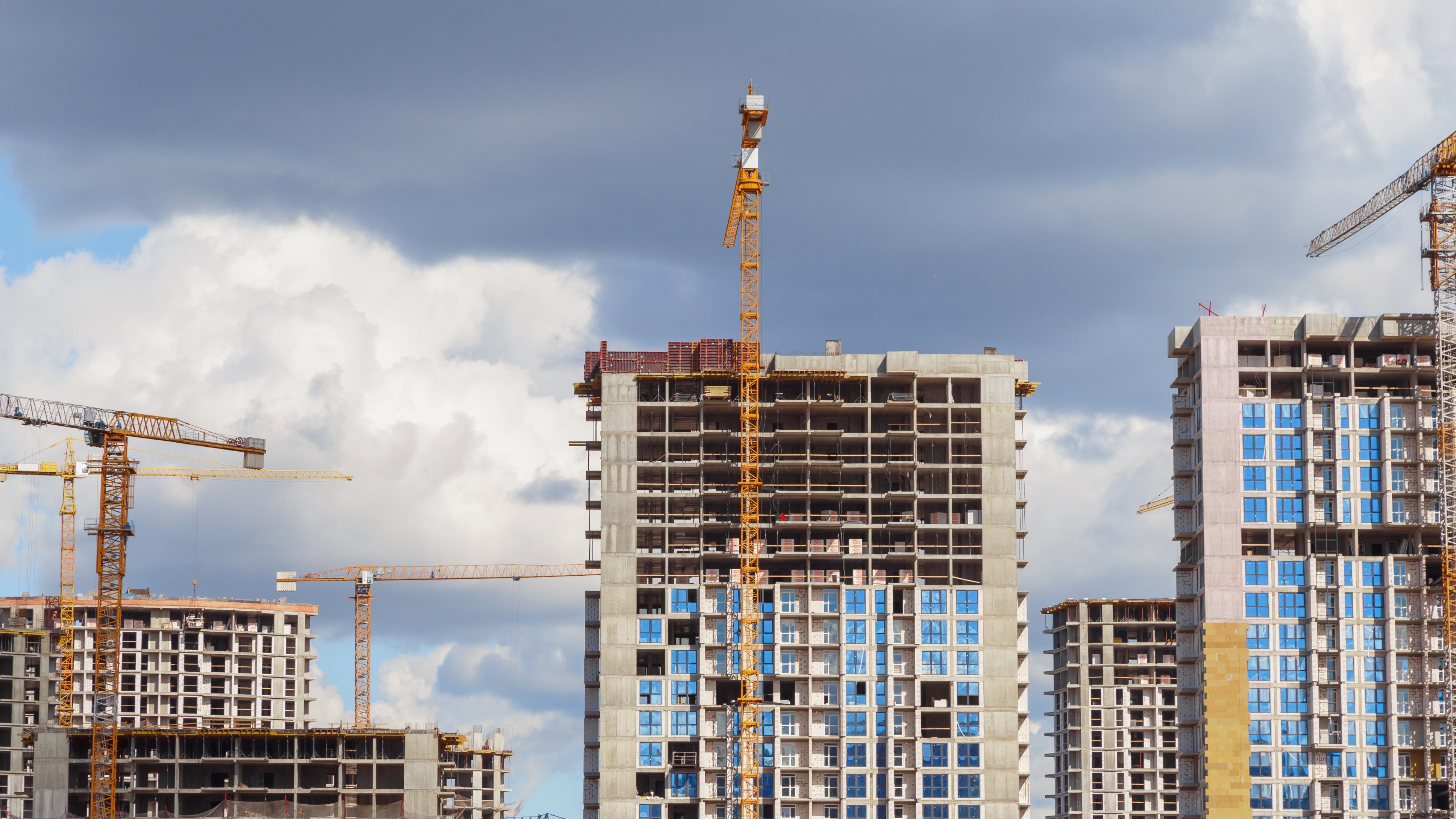
Delhi's property rates may soon see an upward revision, as the national capital's government has issued a public noitce inviting suggestions on revising circle rates. This rate is the minimum property valuation used for registration and taxation purposes.
The move aims to bring circle rates closer to prevailing market prices, ensuring greater transparency in property transactions and boosting revenue for the state. The government has called upong Resident Welfare Associations (RWAs), property owners, industry bodies, and other stakeholders to share their views withing 15 days via email to the Revenue Department.
“The Government of the National Capital Territory of Delhi is in the process of revising the circle rates for various categories of properties across Delhi. The revision aims to align the notified rates with prevailing market conditions and ensure transparency in property transactions,” the notice stated.
Currently, Delhi's properties are classified into eight categories (A to H) based on location and affluence. Category A includes the city's most upscale colonies such as Golf Links, Jor Bagh, and Vasant Vihar, which command the highest circle rates. On the other end of the spectrum, Category H covers village areas with the lowest valuation rates, as per The Hindu
The revision is expected to impact property transactions across all categories, especially in premium localities where the gap between circle rates and actual market prices is significant.
Meanwhile, In April, The Maharashtra government announced a 4.39% increase in the ready reckoner rate for financial year 2026, effective April 1.
Ready reckoner rates, also known as circle rates, are the minimum values set by the government for land and property transactions.
These rates are used to calculate stamp duty and registration charges, ensuring that property transactions are not undervalued to evade taxes. The increase in ready reckoner rates means higher property valuations, leading to increased stamp duty and overall property costs for buyers.

-
The Economic Imperative: Analysing The Material Driving Force Behind India-Canada Strategic Reset

This economic complementarity is further reinforced by deep institutional investment ties and talent mobility, which form the bedrock of the bilateral framework.
-
Medicine Pricing: Where Must Profit Stop?
India must confront excessive margins, hidden incentives and regulatory gaps that threaten the integrity of medicine.
-
Why Amazon And Flipkart Are Struggling To Beat Meesho In India's Smaller Cities
With 274 million users and lowest-cost logistics, Meesho is defending its value commerce crown against giants like Amazon and Flipkart.
-
High US Salaries, No Green Card Certainty: The Financial Calculation Facing Indian H-1B Families
The suspension of PERM processing at eight technology employers does not cancel existing H-1B visas. What it does is force a question many Indian families have been avoiding: is the US salary worth tying your career and family plans to one employer?
-
Swiggy vs Eternal: Food Delivery's Two Rivals Are No Longer In The Same Race
Eternal is building a private AI assistant, dark.ai. Swiggy is still working out how to make Instamart pay, with an operating loss of Rs 895 crore in the July-September quarter while Blinkit stayed profitable.
-
Where You Live Shapes How You Get To Work | The Reason Why
Two-wheelers are the most popular way to get to work in India, accounting for nearly 43% of workplace commutes.
-
Unhedged Position: Can India See An Indonesia-Style Time Correction?
The Nifty is trading below levels it first clocked in 2024. Is there, then, as I have suggested in the headline, potential that the current time correction drags on painfully for the next three-five, even ten years?
-
Navigating Friction And Energy Realities: An Analysis Of Marco Rubio's October Visit To India
Occurring at a critical juncture marked by stalled trade negotiations and escalating geopolitical pressures over global energy supplies, the visit offers a profound window into modern US-India relations.
-
India Exports Capital. Why Not Export Trusteeship?
The big question, then, is whether India can build an institution that global borrowers, investors, banks, and lawyers can trust, even without an Indian connection.
-
France's Economy & Politics Are In Crisis | The Reason Why
Let's look at how the French economy and politics evolved under Nicolas Sarkozy, Franois Hollande and Emmanuel Macron.










