Climate Change Is Threatening The World’s Beer Supply
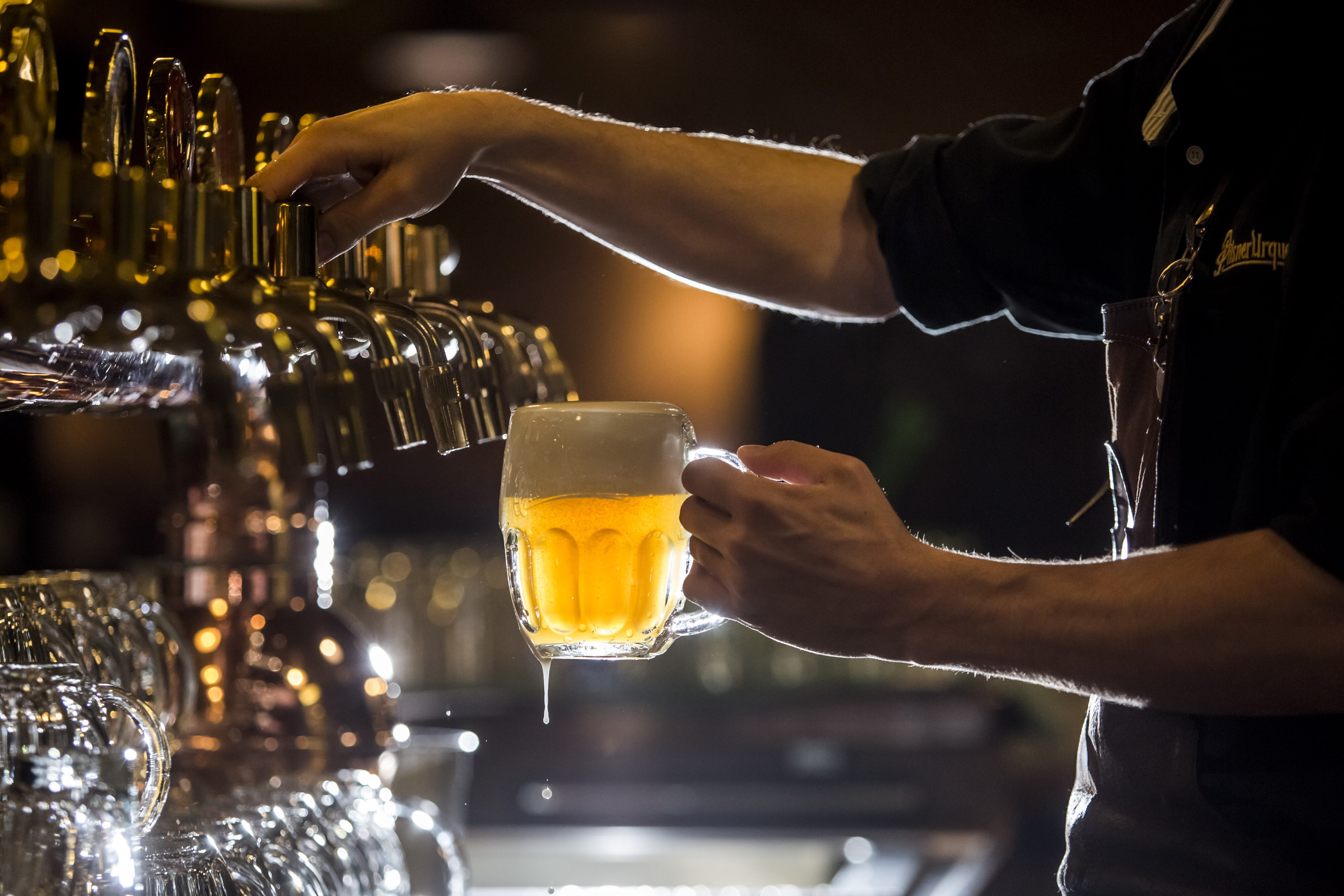
Severe climate events could cause shortages in the global beer supply, which may result in “dramatic” fall in the consumption and rise in prices of the most popular alcoholic drink in the world, according to a study.
The findings, published in the journal Nature Plants, warns that increasingly widespread and severe drought and heat may cause substantial decreases in barley yields worldwide, affecting the supply used to make beer.
Beer is the most popular alcoholic drink in the world by volume consumed, said researchers at the University of East Anglia in the U.K..
Although the frequency and severity of drought and heat extremes increase substantially in a range of future climate scenarios, the vulnerability of beer supply to such extremes has never been assessed, they said.
In recent years, the beer sector consumed around 17 percent of global barley production, but this share varies drastically across major beer-producing countries. For instance, it went from 83 percent in Brazil to nine percent in Australia.
Results from the new study reveal potential average yield losses ranging from three percent to 17 percent, depending on the severity of the conditions, researchers said.
Fall in the global supply of barley lead to proportionally larger decreases in barley used to make beer. During the most severe climate events, the results indicate that global beer consumption would decline by 16 percent, or 29 billion litres—roughly equal to the total annual beer consumption in the U.S.—and that beer prices would on average double.
Even in less severe extreme events, beer consumption could drop by four percent and prices rise by 15 percent, researchers said.
The findings suggest that total beer consumption decreases most under climate change in the countries that consumed the most beer by volume in recent years. The volume consumed in China—today the largest consuming country—could fall by more than any other country as the severity of extreme events increases, and by 4.34 billion litres in the most severe, researchers said.
In the U.K., beer consumption could fall by between 0.37 billion and 1.33 billion litres, while the price could as much as double. Consumption in the U.S. could decrease by between 1.08 billion and 3.48 billion litres, they said.
"Increasingly, research has begun to project the impacts of climate change on world food production, focusing on staple crops such as wheat, maize, soybean, and rice," said Dabo Guan, a professor at University of East Anglia.
However, if adaptation efforts prioritise necessities, climate change may undermine the availability, stability and access to “luxury” goods to a greater extent than staple foods. People's diet security is equally important to food security in many aspects of society.
“Although some attention has been paid to the potential impacts of climate change on luxury crops such as wine and coffee, the impacts on beer have not been carefully evaluated,” Guan said. “A sufficient beer supply may help with the stability of entertainment and communication in society.”
“While the effects on beer may seem modest in comparison to many of the other—some life-threatening—impacts of climate change, there is nonetheless something fundamental in the cross-cultural appreciation of beer,” Guan said.

-
AI Bias In Investing Cannot Be Eliminated, But It Can Be Governed

Framing is a particularly important example as identical financial information presented in terms of gains rather than losses can lead an LLM to reach a different assessment.
-
Joining The Dots | Dark Skies, Steady Diya: Why Hope Holds This Diwali
With war, a weak rupee and foreign outflows weighing on sentiment, policymakers at the NDTV World Summit and market veterans at NDTV Profit Ignite: Diwali Edition offered the same advice: stay invested and filter out the noise.
-
The Curious Case of Equitas Small Finance Bank And A CEO Who Quit For Stock
PN Vasudevan believes persistent investor concerns over a perceived conflict of interest had become a governance overhang on Equitas Small Finance Bank's stock, even as the lender improved profitability and asset quality.
-
Talking Points This Week: AI Cash Burn, A Tiger Comeback And An India That Still Finds Its Own Path
India is not immune to higher oil or tighter global liquidity, yet its earnings base is broader, its domestic policy levers are still available.
-
Foreign Investors Own Half Of HDFC Bank and ICICI Bank. An LTCG Cut Could Matter Most Here
Foreign portfolio investors have US$115 billion parked in HDFC Bank, ICICI Bank. If the government cuts long-term capital gains tax, Jefferies says returning foreign money could land here first.
-
'Never Seen This Level Of Negativity': Sandeep Tandon Says The Next Rally May Be Closer Than You Think
Veteran investor Sandeep Tandon says foreign selling is easing, large-caps are due a comeback and mid-caps are crowded, while he turns positive on gold, power and pharma this Diwali.
-
Indians Stay With Family, Not In Hotels | The Reason Why
India still lacks enough clean, reliable and affordable hotels for budget-conscious travellers.
-
The Economic Imperative: Analysing The Material Driving Force Behind India-Canada Strategic Reset
This economic complementarity is further reinforced by deep institutional investment ties and talent mobility, which form the bedrock of the bilateral framework.
-
Medicine Pricing: Where Must Profit Stop?
India must confront excessive margins, hidden incentives and regulatory gaps that threaten the integrity of medicine.
-
Why Amazon And Flipkart Are Struggling To Beat Meesho In India's Smaller Cities
With 274 million users and lowest-cost logistics, Meesho is defending its value commerce crown against giants like Amazon and Flipkart.










