China's BYD Unveils EV Battery System That Charges In Five Minutes
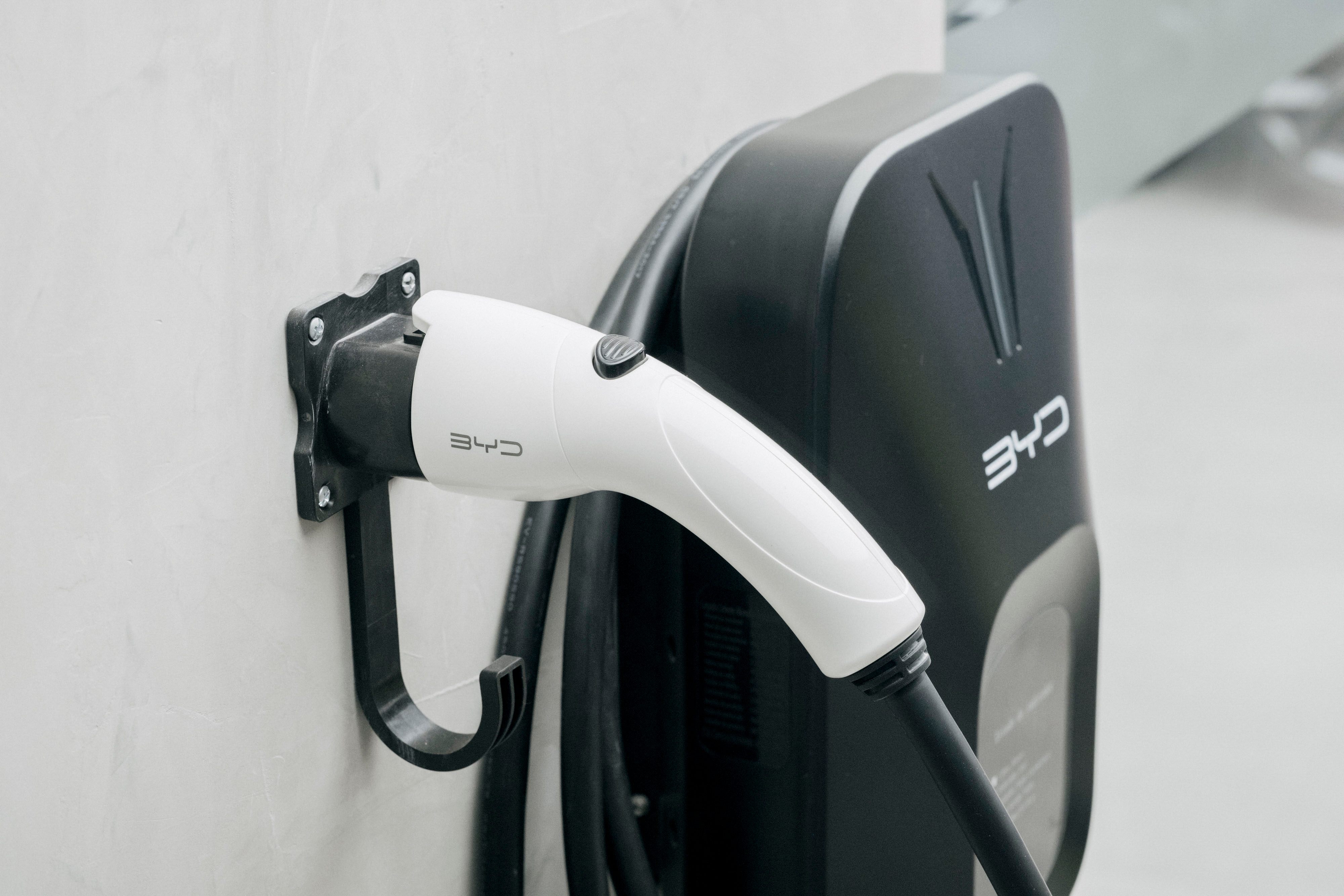
BYD Co. unveiled a new system for electric cars that the Chinese automaker says will allow them to charge almost as fast as it takes a regular car to refuel.
BYD's new battery and charging system was capable of providing around 400 kilometers (249 miles) of range in 5 minutes in tests on its new Han L sedan, Chairman and founder Wang Chuanfu said Monday. The manufacturer will start selling vehicles with the new technology next month.
Being able to charge a car in the time it takes a combustion engine vehicle to pull in and out of a gas station could convince drivers who aren't willing to make lengthy stops to go electric.
The new platform, which will underpin many of its future electric vehicles, could provide another boost for BYD, which has come from behind to rival Tesla Inc. as the world's top EV seller. Tesla's China shipments plunged 49% in February from a year earlier to just 30,688 vehicles, the lowest monthly figure since in July 2022.
BYD has committed to building more than 4,000 charging stations across China to serve the newly upgraded EVs. It didn't disclose a specific timeline or cost to complete the rollout. However, the company earlier this month raised around $5.6 billion in a share sale.

The speeds would be comfortably ahead of Tesla's Superchargers, which can add up to 275 kilometers of range in 15 minutes. Tesla, however, has a much larger network of more than 65,000 Superchargers worldwide. Mercedes-Benz Group AG's new entry-level CLA electric sedan unveiled last week can add 325 kilometers in 10 minutes of charging.
BYD's new EV platform will allow cars to reach a speed of 100 kilometers per hour in 2 seconds, Wang said at the event at the carmaker's headquarters in Shenzhen.
The first models to get the ultra-fast charging will be the Han L and the Tang L sport utility vehicle. They'll start at 270,000 yuan ($37,338) and 280,000 yuan, respectively, and will be sold from April. BYD will build more than 4,000 charging stations designed to accommodate the new technology.
This is BYD “elevating the game to another dimension,” said Lei Xing, an independent China auto analyst.
BYD has had a stellar start to 2025. The company, which only makes hybrid and fully electric cars, sold more than 318,000 passenger vehicles last month, up 161% from a year earlier. It's the top carmaker in China, the world's biggest auto market, with a share approaching 15%. BYD's Hong Kong-listed shares, which were little changed on Monday, are up about 45% this year.
An advanced EV powertrain could further boost demand for BYD's next-generation cars, said Joanna Chen, a China autos analyst with Bloomberg Intelligence. “This could mark the beginning of a new wave of model rollouts, propelling BYD's battery-electric vehicle sales to catch up with hybrids after they fell behind in 2024,” she said.

BYD is also starting to set the pace in advanced driver-assistance technology. The company earlier this year said that it's taking this to the masses by including features like lane-keeping and adaptive cruise control in some of its cheapest models.
BYD's Super e-Platform may also pose a competitive threat to Contemporary Amperex Technology Co. Ltd., currently the world's largest manufacturer of EV batteries. Li Auto Inc., for example, is using one of CATL's latest generation batteries to enable charging that gives 500 kilometer of range in 12 minutes.

-
Signature Play: The Classic Cocktail Is Dead. Or Is It?

Classic cocktails are disappearing from India's cocktail menus. But they're still being ordered, taught to bartenders and borrowed from. So, who's really having the last drink?
-
A New Samvat Wishlist: Inclusive Prosperity And Human Development
India has strengthened its economic foundations through infrastructure, digital access and enterprise. Its next growth chapter must deepen productivity, create better livelihoods and widen participation in prosperity.
-
Love, Sex Aur Dhokha: The Audacious Plot To Spy On Jensen Huang
A Taipei dinner, a Singapore chip buyer and a suspected Chinese asset: inside the alleged spy operation that got close to NVIDIA's Jensen Huang.
-
Ten Things I Learnt This Samvat
Patience can be a trap. Cheap stocks can stay cheap. Leverage can wipe you out. What did Samvat 2082 teach us? Niraj Shah writes on 10 lessons from the year gone by.
-
Talking Points This Week: Tech Nerves, FII Buying, And A Faraway Banking Shock
The global markets are not shining this Diwali. The exception in the large markets is, India.
-
Midterm Rally Lasted A Day. The Hard Reality Of A Divided US May Last Two Years | Opinion
Between a contested AI boom, a debt ceiling that arrives in 2027 and a president with every incentive to act alone, the next two years may prove more volatile than the first day's rally suggests.
-
Blue Wave Will Derail the AI Trade but Won't Dismantle the AI Era | Unhedged Position
The Democrats' sweep of the US Congress will see politics collide with economic forces both over the long and short term.
-
It's Time To Take The GST Council's Bet On Trust Global
Payment records can prove India's services exports, and clear, proportionate rules can bring foreign digital sellers into the tax net.
-
Opinion | India at 38: From Innovation Overperformer to Innovation Powerhouse
India now has 453 VC-backed deep science startups, 18 of them late-stage, after 117 percent growth since 2020. Laurus Labs, at USD 9.3 billion, is the most valuable deep science company in any middle-income economy outside China.









