Being Urban, Wealthy And Educated Increases Risk Of Heart Disease
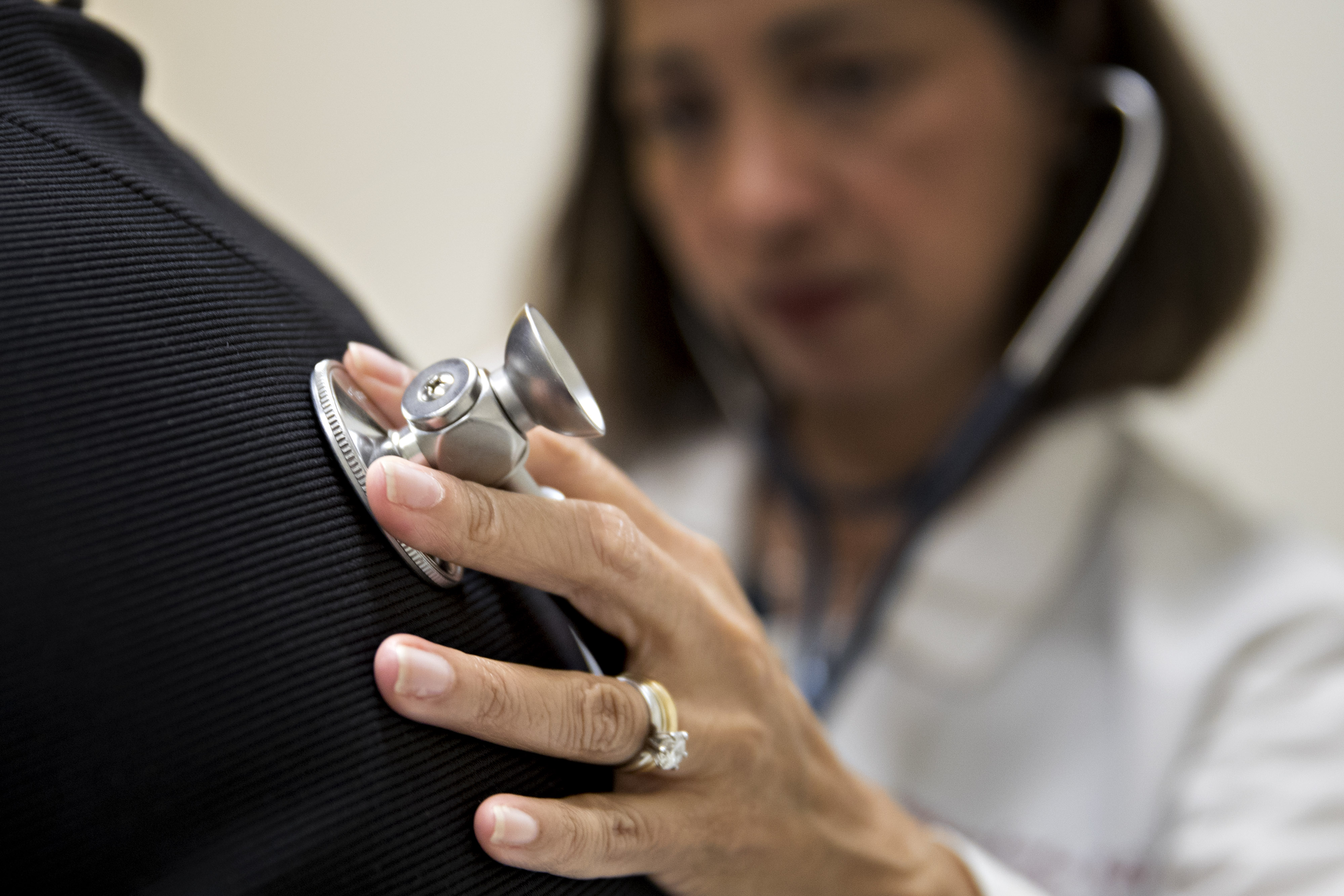
Heart disease is the highest killer among Indians but the risk of heart disease varies across states, with wealthier and more urbanised states having higher risk, according to a new study.
The 10-year risk for cardiovascular disease occurrence ranges from 13.2 percent in Jharkhand to 19.5 percent in Kerala, according to a study by the Public Health Foundation of India, an advocacy, and the Harvard T.H. Chan School of Public Health, published in PLOS Medicine, a medical journal, in June 2018.
The risk was higher in northern, north-eastern and southern states. It was also higher for those living in urban areas and belonging to wealthier and more educated families.
Heart disease killed 1.7 million Indians in 2016, IndiaSpend reported in September, 2017. In 2016, the share of non-communicable diseases had increased to 61.8 percent–causing six in ten deaths in India–an increase of 23.9 percentage points from 1990, we reported in November 2017.
The PHFI study pooled data of over 7.97 lakh people aged 30-74 years from two large household surveys in India, the District Level Household Survey–4 (DLHS-4) and the second update of the Annual Health Survey (AHS) conducted between 2012 and 2014.
The researchers calculated the cardiovascular risk based on factors such as body mass index, systolic blood pressure and blood sugar level and how it varies among states by rural-urban location and socio-demographic characteristics.
Highest Cardiovascular Risk In South India
Among both males and females, CVD risk tended to be the highest in south India (including Goa), the three most northern states in the dataset (Himachal Pradesh, Punjab, and Uttarakhand), the north-eastern states (except Assam), and West Bengal (particularly among males).
While both north and south India had overweight individuals, the south had more people with elevated blood sugar while north had more people with higher blood pressure. Smoking was higher in those living in north-eastern states and West Bengal, especially in men.
Men Had Double The Cardiovascular Risk Of Women
In the 30- to 74-year age group, the overall 10-year risk of cardiovascular disease in women was 12.7 percent compared to 21.4 percent in men.
While both men and women had a similar average body mass index (22.6 kg/m2 and 22.3 kg/m2, respectively), women were more likely to be both underweight (BMI of less than 18.5 kg/m3 ) and overweight (BMI of 23.5 kg/m3) than men.
Also, 10 percent of men and women had higher blood sugar levels, but men had higher average blood pressure (129.1 Hg/mm in male vs. 126.7 Hg/mm female) and high smoking prevalence (27.1% in male vs. 2.1% in female).
Wealthier The Rural Area, Higher The Risk
Cardiac risk increased with increase in wealth, particularly in rural areas, found the study.
In rural areas, living in the wealthiest 20 percent districts was associated with a relative increase in the 10-year cardiac risk by 13.1 percent compared to the poorest 20 percent districts. In urban areas, the corresponding increase was 4.3 percent.
10-Year Cardiovascular Disease Risk By Household Wealth Quintile, Age, Rural Vs Urban & Gender
 PLOS Medicine ">
In risk factors, while mean BMI was substantially higher among wealthy individuals, high blood glucose and high systolic blood pressure were common among poor individuals in middle and old age. Smoking was most prevalent among men in poorer wealth quintiles and in rural areas.
Targeted Efforts Needed To Prevent Heart Disease
State-wise information on CVD risk is “essential for effective targeting of resources and interventions for prevention, screening, and treatment”, the authors said.
“Investments in targeted CVD care programmes as well as relevant health policy measures are needed urgently, particularly in states with high CVD risk, if India is to minimise CVD's adverse consequences for health, well-being, financial risk protection, and economic growth” they wrote.
“Given the size and projected growth of India's population, the determination and effectiveness of the country's measures to prevent and treat CVD over the coming years will have an important bearing on the achievement of the SDGs [sustainable development goals] at the global level,” the study said. SDGs are global targets put forward by the United Nations and agreed upon by all nations, including ensuring healthy lives and promoting well being at all ages, and reduce by one-third premature mortality due to non-communicable diseases by 2030.
“It [study] also highlights the urgent need for population-wide interventions such as the elimination of artificial trans-fat, sodium reduction as well as reducing tobacco use,” Lindsay Jaacks, faculty at the Harvard T.H. Chan School of Public Health and visiting faculty at PHFI, said in a statement.
(Yadavar is a principal correspondent with IndiaSpend.)
This article has been published in arrangement with IndiaSpend.

-
Signature Play: The Classic Cocktail Is Dead. Or Is It?

Classic cocktails are disappearing from India's cocktail menus. But they're still being ordered, taught to bartenders and borrowed from. So, who's really having the last drink?
-
A New Samvat Wishlist: Inclusive Prosperity And Human Development
India has strengthened its economic foundations through infrastructure, digital access and enterprise. Its next growth chapter must deepen productivity, create better livelihoods and widen participation in prosperity.
-
Love, Sex Aur Dhokha: The Audacious Plot To Spy On Jensen Huang
A Taipei dinner, a Singapore chip buyer and a suspected Chinese asset: inside the alleged spy operation that got close to NVIDIA's Jensen Huang.
-
Ten Things I Learnt This Samvat
Patience can be a trap. Cheap stocks can stay cheap. Leverage can wipe you out. What did Samvat 2082 teach us? Niraj Shah writes on 10 lessons from the year gone by.
-
Talking Points This Week: Tech Nerves, FII Buying, And A Faraway Banking Shock
The global markets are not shining this Diwali. The exception in the large markets is, India.
-
Midterm Rally Lasted A Day. The Hard Reality Of A Divided US May Last Two Years | Opinion
Between a contested AI boom, a debt ceiling that arrives in 2027 and a president with every incentive to act alone, the next two years may prove more volatile than the first day's rally suggests.
-
Blue Wave Will Derail the AI Trade but Won't Dismantle the AI Era | Unhedged Position
The Democrats' sweep of the US Congress will see politics collide with economic forces both over the long and short term.
-
It's Time To Take The GST Council's Bet On Trust Global
Payment records can prove India's services exports, and clear, proportionate rules can bring foreign digital sellers into the tax net.
-
Opinion | India at 38: From Innovation Overperformer to Innovation Powerhouse
India now has 453 VC-backed deep science startups, 18 of them late-stage, after 117 percent growth since 2020. Laurus Labs, at USD 9.3 billion, is the most valuable deep science company in any middle-income economy outside China.









