U.S. SEC Targets Its Own Staff’s Texting, Nixes WhatsApp On Work Phones
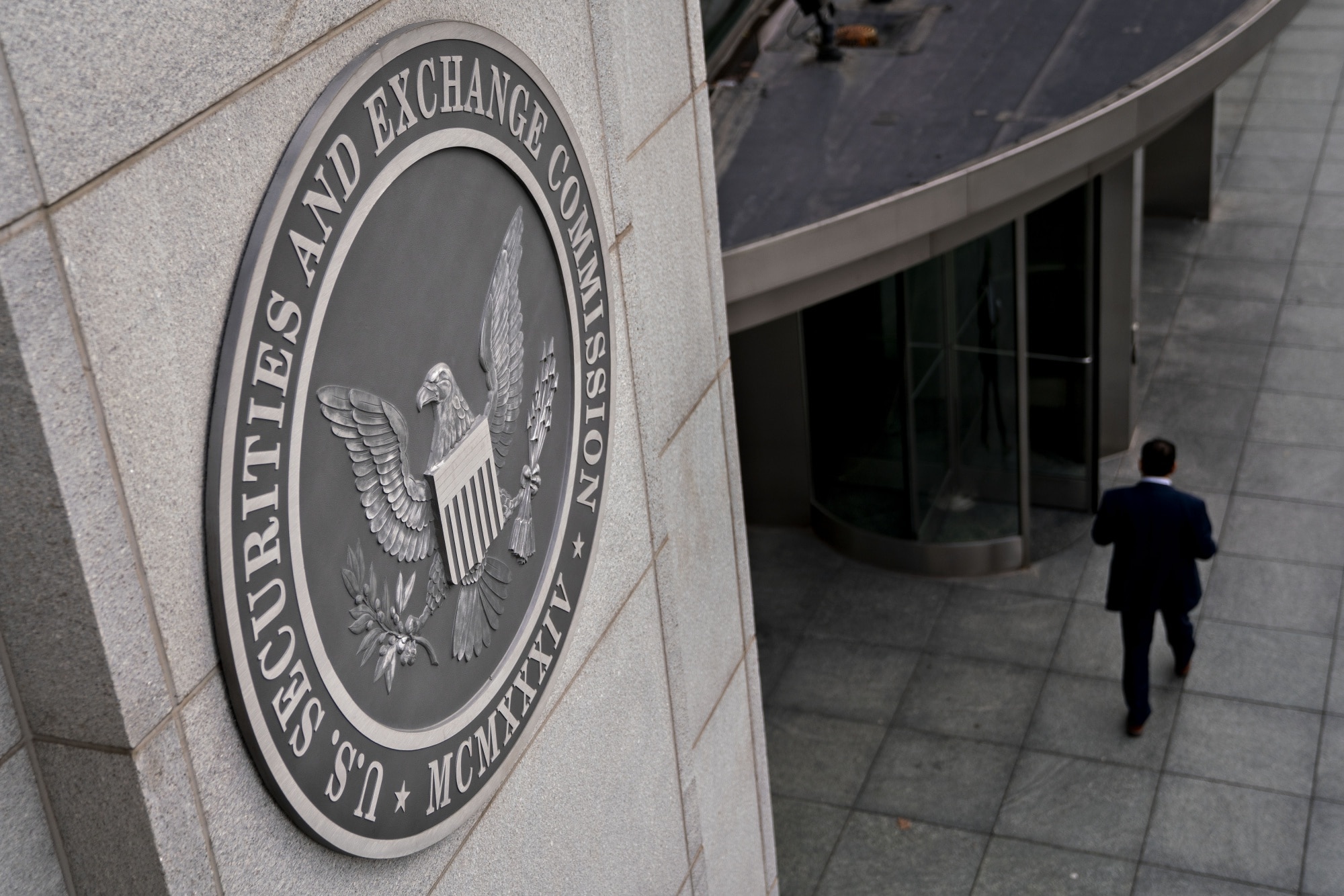
(Bloomberg) -- The US Securities and Exchange Commission has blocked third-party messaging apps and texts from employees' work mobile phones, bringing its own practices closer to the standards it's enforcing for the industry.
The SEC's decision to block disappearing-messaging apps will help improve record-keeping and address potential security vulnerabilities at the agency, which saw one of its social-media accounts compromised earlier this year. It follows about $3 billion in fines imposed on financial firms to settle allegations that they failed to keep adequate records of work-related communications on mobile devices and apps such as Signal and Meta Platforms Inc.'s WhatsApp.
The scrutiny prompted Wall Street to overhaul how employees communicate on business matters using mobile phones. Meanwhile, the SEC took a hard look at policies covering its own staff's communications on agency-issued phones.
The agency has restricted access to third-party messaging applications, as well as SMS (short message service) and iMessage texts “to lower risk that our systems could be compromised and to enhance recordkeeping,” an SEC spokeswoman said in an emailed statement.
The agency removed third-party apps in September, and removed text message functions on most staff phones in March, she said.
Read More: SEC Fines 16 Firms in Latest WhatsApp Probe Penalties
Financial firms are required to monitor and save communications involving their businesses to head off improper conduct. When they don't, agencies say it's significantly harder to investigate wrongdoing.
The Commodity Futures Trading Commission is considering whether to follow suit, according to a person familiar with the matter. A CFTC spokesperson didn't respond to a request for comment.
The regulatory crackdown extracted at least $200 million apiece from Wall Street giants such as Bank of America Corp., JPMorgan Chase & Co., Citigroup Inc. and Goldman Sachs Group Inc., while fining many smaller players. That's been a boon to software and compliance providers pitching solutions to capture the ephemeral communications.
But it has left members of the industry's rank and file seething. Some firms privately reprimanded or disciplined staff who had used unauthorized platforms. In certain cases, banks cut bonuses or even terminated offenders.
Fake Post
The SEC's cybersecurity practices have come under scrutiny in recent months. In January, the regulator's X account was compromised via a staffer's agency-issued phone, which resulted in a fake post claiming that the watchdog had approved plans for a long-awaited spot-Bitcoin exchange-traded fund.
Read More: SEC Says FBI Is Investigating Compromise of Agency's X Account
That inaccurate post fueled a brief surge in the price of the world's biggest cryptocurrency. The SEC quickly regained control of the account and deleted the post. The incident underscored how even a regulator with an assertive stance on cybersecurity requirements isn't immune.
(Updates with time line of app removals in fifth paragraph.)
More stories like this are available on bloomberg.com
©2024 Bloomberg L.P.

-
Signature Play: The Classic Cocktail Is Dead. Or Is It?

Classic cocktails are disappearing from India's cocktail menus. But they're still being ordered, taught to bartenders and borrowed from. So, who's really having the last drink?
-
A New Samvat Wishlist: Inclusive Prosperity And Human Development
India has strengthened its economic foundations through infrastructure, digital access and enterprise. Its next growth chapter must deepen productivity, create better livelihoods and widen participation in prosperity.
-
Love, Sex Aur Dhokha: The Audacious Plot To Spy On Jensen Huang
A Taipei dinner, a Singapore chip buyer and a suspected Chinese asset: inside the alleged spy operation that got close to NVIDIA's Jensen Huang.
-
Ten Things I Learnt This Samvat
Patience can be a trap. Cheap stocks can stay cheap. Leverage can wipe you out. What did Samvat 2082 teach us? Niraj Shah writes on 10 lessons from the year gone by.
-
Talking Points This Week: Tech Nerves, FII Buying, And A Faraway Banking Shock
The global markets are not shining this Diwali. The exception in the large markets is, India.
-
Midterm Rally Lasted A Day. The Hard Reality Of A Divided US May Last Two Years | Opinion
Between a contested AI boom, a debt ceiling that arrives in 2027 and a president with every incentive to act alone, the next two years may prove more volatile than the first day's rally suggests.
-
Blue Wave Will Derail the AI Trade but Won't Dismantle the AI Era | Unhedged Position
The Democrats' sweep of the US Congress will see politics collide with economic forces both over the long and short term.
-
It's Time To Take The GST Council's Bet On Trust Global
Payment records can prove India's services exports, and clear, proportionate rules can bring foreign digital sellers into the tax net.
-
Opinion | India at 38: From Innovation Overperformer to Innovation Powerhouse
India now has 453 VC-backed deep science startups, 18 of them late-stage, after 117 percent growth since 2020. Laurus Labs, at USD 9.3 billion, is the most valuable deep science company in any middle-income economy outside China.









