Meesho IPO: Samir Arora Calls For Regulator Intervention On Fairness Amid Anchor Allotment Row
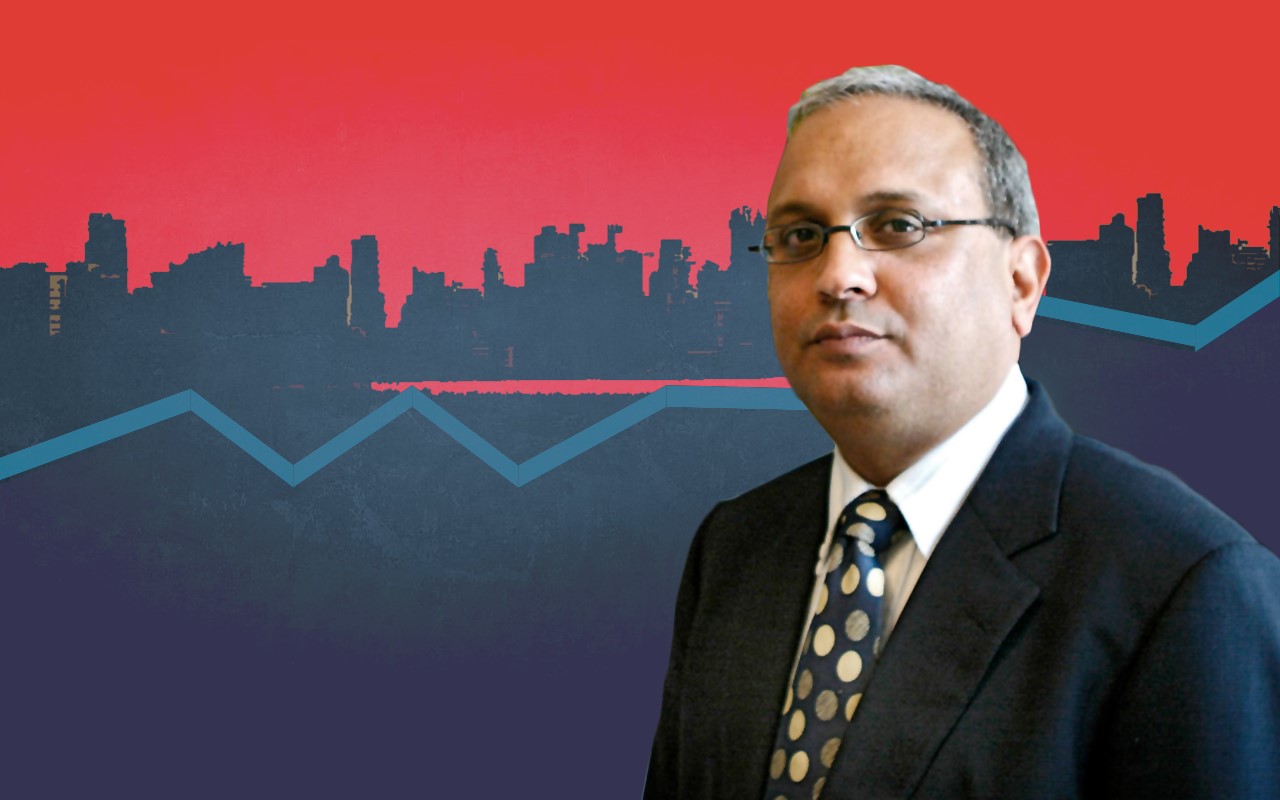
India's red-hot IPO market has been jolted by a rare backlash after several major global investors reportedly pulled out of Meesho Ltd.'s anchor book, prompting Helios Capital founder Samir Arora to call for urgent regulatory intervention to make the process “more fair.”
Arora criticised the current structure of anchor allocations in high-demand IPOs, describing them as “a valuable gift to be given to big funds by brokers and their investment banking arms.”
Regulator must intervene to make this process more fair. Right now allocations in hot IPOs are just a valuable gift to be given to big funds by brokers and their investment banking arms. pic.twitter.com/IFjGHDD9H3
December 2, 2025His comments followed a Bloomberg report that Meesho allocated nearly a quarter of its anchor tranche to SBI Funds Management Pvt., India's largest asset manager a move that triggered pushback from other institutional investors.
In a clarification posted later, Arora stressed that his criticism was not directed at SBI MF. “They are genuine anchors who do help in setting the price and commit very early,” he said. The issue, he insisted, lies with funds that inflate orders at the last minute to secure allocations without truly participating in price discovery. “Then what anchor,” he wrote, arguing that many so-called anchors simply “pile on” because the IPO is hot.
My tweet is not against SBI MF for they are genuine anchors who do help in setting the price and commit very early. My point is against all these funds who inflate their orders at the last moment and do not really "anchor" any deal but pile on. Then what anchor.
December 3, 2025
May be one idea… https://t.co/FmCBITtB0WArora floated a potential solution: anchor lists should be finalised and announced 30 days before an IPO opens, ensuring that institutions engage meaningfully in negotiating and setting valuations instead of swooping in based on the momentum of the deal. The current process, he said, encourages opportunistic bidding driven by commissions and size rather than long-term commitment.
Investor Pushback Hits Meesho's Anchor Book
According to a report by Bloomberg, Meesho's anchor book faced withdrawals from several prominent investors after the disproportionate allocation to SBI Funds. Those who pulled out included Capital Group, Aberdeen Group Plc, Norges Bank Investment Management, ICICI Prudential AMC, Nippon India Life Asset Management, and Nomura Asset Management.
Many of these funds, according to the report, had sought allocations similar to SBI Funds and opted out in protest when their expectations were not met.
The anchor tranche is a crucial signalling mechanism for market confidence, typically drawing long-only global investors who help set the tone for pricing.
Meesho, however, received strong institutional participation in its pre-IPO anchor round, raising Rs 2,440 crore on Tuesday.
Marque foreign entities like BlackRock, Fidelity, Government of Singapore, Abu Dhabi Investment Authority, Schroder Group, Goldman Sachs and Morgan Stanley were allotted shares.

-
The Economic Imperative: Analysing The Material Driving Force Behind India-Canada Strategic Reset

This economic complementarity is further reinforced by deep institutional investment ties and talent mobility, which form the bedrock of the bilateral framework.
-
Medicine Pricing: Where Must Profit Stop?
India must confront excessive margins, hidden incentives and regulatory gaps that threaten the integrity of medicine.
-
Why Amazon And Flipkart Are Struggling To Beat Meesho In India's Smaller Cities
With 274 million users and lowest-cost logistics, Meesho is defending its value commerce crown against giants like Amazon and Flipkart.
-
High US Salaries, No Green Card Certainty: The Financial Calculation Facing Indian H-1B Families
The suspension of PERM processing at eight technology employers does not cancel existing H-1B visas. What it does is force a question many Indian families have been avoiding: is the US salary worth tying your career and family plans to one employer?
-
Swiggy vs Eternal: Food Delivery's Two Rivals Are No Longer In The Same Race
Eternal is building a private AI assistant, dark.ai. Swiggy is still working out how to make Instamart pay, with an operating loss of Rs 895 crore in the July-September quarter while Blinkit stayed profitable.
-
Where You Live Shapes How You Get To Work | The Reason Why
Two-wheelers are the most popular way to get to work in India, accounting for nearly 43% of workplace commutes.
-
Unhedged Position: Can India See An Indonesia-Style Time Correction?
The Nifty is trading below levels it first clocked in 2024. Is there, then, as I have suggested in the headline, potential that the current time correction drags on painfully for the next three-five, even ten years?
-
Navigating Friction And Energy Realities: An Analysis Of Marco Rubio's October Visit To India
Occurring at a critical juncture marked by stalled trade negotiations and escalating geopolitical pressures over global energy supplies, the visit offers a profound window into modern US-India relations.
-
India Exports Capital. Why Not Export Trusteeship?
The big question, then, is whether India can build an institution that global borrowers, investors, banks, and lawyers can trust, even without an Indian connection.
-
France's Economy & Politics Are In Crisis | The Reason Why
Let's look at how the French economy and politics evolved under Nicolas Sarkozy, Franois Hollande and Emmanuel Macron.










