Why Operation Sindoor Marks A New Era In India’s Military Strategy
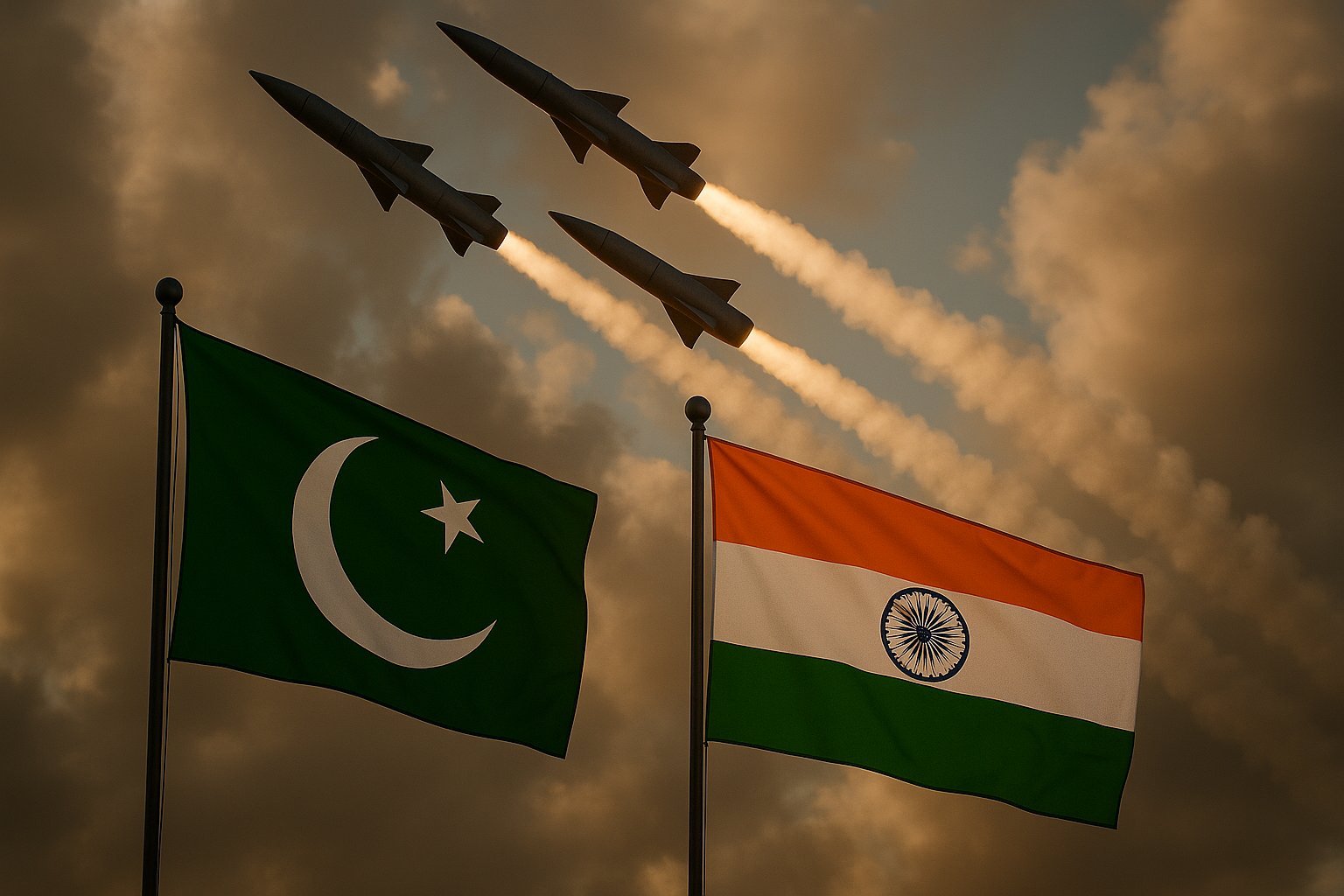
Operation Sindoor is being seen as a strategic turning point — not just for its scale, but for what it signals. Unlike previous retaliatory operations such as the 2016 Uri surgical strikes or the 2019 Balakot airstrikes, India's latest offensive was expansive, technologically advanced, and the deepest military incursion into Pakistan's heartland since the 1971 war.
The strikes followed the April 22 terror attack near Pahalgam in Jammu and Kashmir, where 26 civilians were killed. Indian intelligence agencies traced the attack to Pakistan-based terrorist outfit Lashkar-e-Taiba.
Now, two weeks later, India has executed Operation Sindoor, aimed not only as a show of strength, but as a mission to dismantle the terror infrastructure that supports such attacks. India and Pakistan continue to face-off along a heavily militarised 740-km Line of Control.
What Was Hit
Early Wednesday, nine targets were struck across Pakistan and Pakistan-occupied Kashmir in a single day — Muzaffarabad, Kotli, Bahawalpur, Rawalakot, Chakswari, Bhimber, Neelum Valley, Jhelum, and Chakwal. With 24 confirmed missile strikes, this was India's most extensive single-day precision assault in modern history.
How It Was Done
Operation Sindoor was a coordinated tri-services strike involving the Indian Air Force, Navy and Army. The arsenal included SCALP (Storm Shadow) cruise missiles with a range of over 250 km, HAMMER (Highly Agile Modular Munition Extended Range) precision-guided bombs, and loitering munitions — kamikaze drones capable of real-time surveillance and dynamic targeting.
Air-launched weapons were deployed from deep inside Indian territory, aided by mid-air refuelling systems and airborne early-warning aircraft. These weren't just retaliatory blasts — they were pin-point, infrastructure-degrading strikes aimed at bunkers, training centres and mobile terror convoys.
What Makes This Different
Operation Sindoor is a departure from India's previous limited, theatre-specific responses. This was the first time Indian forces struck deep inside Pakistan's own territory — not just within disputed borders. The operation underscores a clear shift in India's strategic doctrine, one that's now more proactive, precise, and comprehensive.
What Has Changed Since April 22
The fallout has been swift. India has downgraded diplomatic ties with Pakistan and suspended the Indus Waters Treaty — a critical, decades-old water-sharing agreement. Pakistan responded by shutting its airspace to Indian aircraft and halting cross-border trade, although trade volumes were already minimal.
The airspace closure is disrupting Indian aviation, with flights to Europe and the US now taking longer detours. Meanwhile, tourism to Kashmir — which had been picking up — is expected to decline again.
What It Means For The Markets
Historically, Indian markets have reacted with initial jitters during such military events — from the 1999 Kargil conflict to the 2019 Balakot strike. But in most cases, the equity indices rebounded quickly. This time, too, while the Nifty and Sensex opened lower on Wednesday, foreign investors remained net buyers — marking their 14th straight session of inflows.
Bernstein analysts say the ‘buy-the-dip' strategy could prove sound once again, especially if the situation doesn't spiral into prolonged conflict.
Catch live updates on Operation Sindoor here.

-
Extracting Value From Battery Scrap Could Be Challenging For India | The Reason Why

A discarded lithium-ion battery still contains valuable materials such as lithium, nickel and cobalt. These can be recovered and reused. When such batteries are crushed and shredded, they produce a dark powder called black mass.
-
One El Nino, India Can Handle. Two Could Break The Granary
India's grain stocks can absorb one bad year, but a second El Nino could drain the buffer in two to three years, economists say.
-
India's Troika Of Good Luck | Joining The Dots
As Jensen Huang's exit drags Nvidia down, a cooling AI trade and resilient earnings have revived investor interest in India. A likely RBI rate hike looms.
-
Talking Points This Week: Leadership Shock At Nvidia, Earnings Strength, And The Fog Over Hormuz
The Anthropic IPO pricing and first trading day, Nvidia's upcoming earnings, and any fresh signals from Iran will set the tone for the following week.
-
Signature Play: The Classic Cocktail Is Dead. Or Is It?
Classic cocktails are disappearing from India's cocktail menus. But they're still being ordered, taught to bartenders and borrowed from. So, who's really having the last drink?
-
A New Samvat Wishlist: Inclusive Prosperity And Human Development
India has strengthened its economic foundations through infrastructure, digital access and enterprise. Its next growth chapter must deepen productivity, create better livelihoods and widen participation in prosperity.
-
Love, Sex Aur Dhokha: The Audacious Plot To Spy On Jensen Huang
A Taipei dinner, a Singapore chip buyer and a suspected Chinese asset: inside the alleged spy operation that got close to NVIDIA's Jensen Huang.
-
Ten Things I Learnt This Samvat
Patience can be a trap. Cheap stocks can stay cheap. Leverage can wipe you out. What did Samvat 2082 teach us? Niraj Shah writes on 10 lessons from the year gone by.
-
Talking Points This Week: Tech Nerves, FII Buying, And A Faraway Banking Shock
The global markets are not shining this Diwali. The exception in the large markets is, India.
-
Midterm Rally Lasted A Day. The Hard Reality Of A Divided US May Last Two Years | Opinion
Between a contested AI boom, a debt ceiling that arrives in 2027 and a president with every incentive to act alone, the next two years may prove more volatile than the first day's rally suggests.









