Who Has An Edge In 2019 Elections?
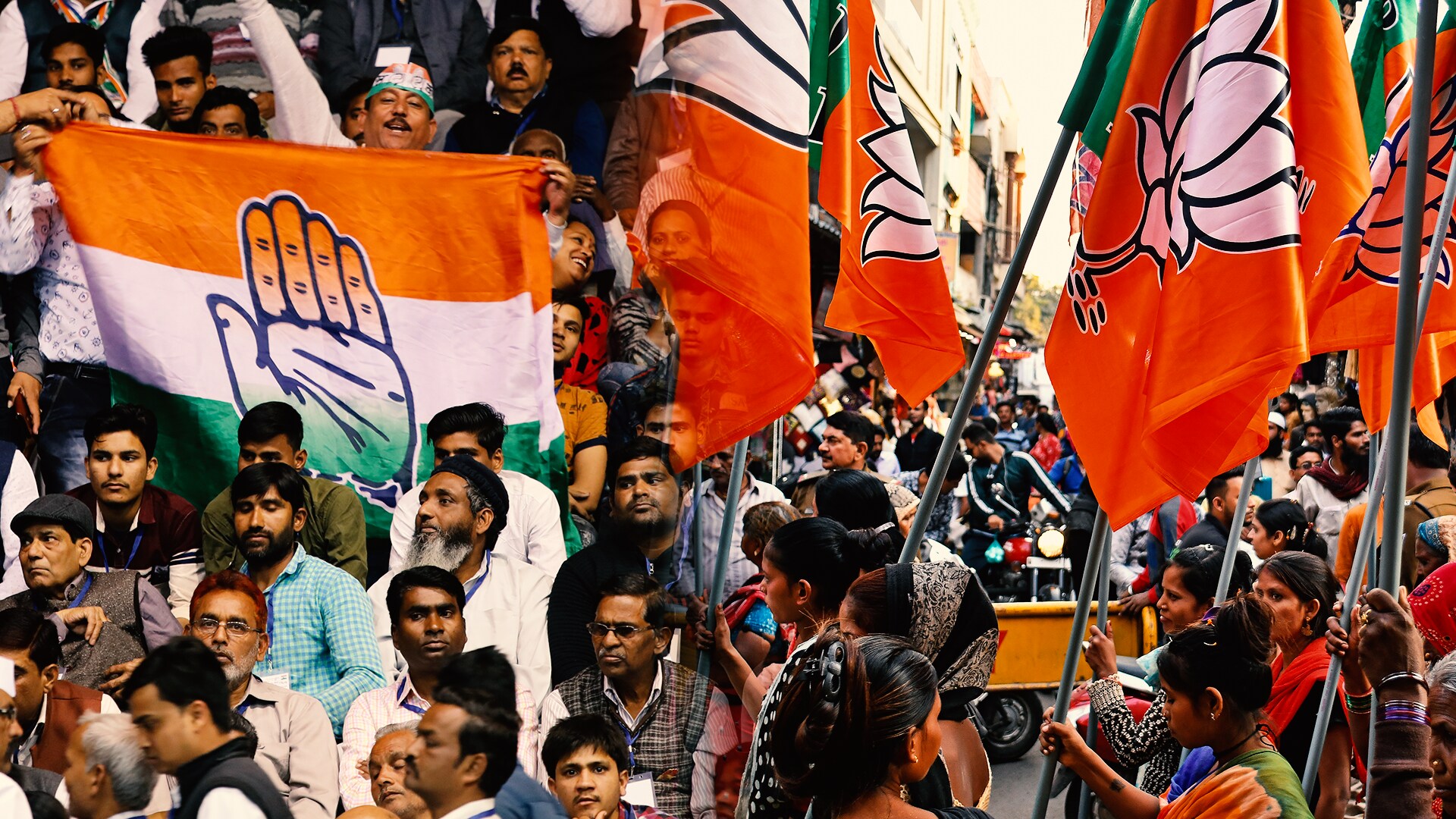
The world's largest democracy goes to polls in about 10 weeks with the Election Commission announcing the dates for the 2019 Lok Sabha election. But what factors will drive the narrative and help win votes?
After the Pulwama terror attack, the Bharatiya Janata Party has definitely seized the narrative, said senior journalist and political analyst Arati Jerath. Besides, the party also managed to derail the narrative that the opposition had built over the last couple of months—unemployment, rural distress, institutional crisis being some of them, she said.
Prime Minister Narendra Modi was widely criticised for demonetisation and alleged destruction of institutions. But he and his party has managed to bounce back by raking up national security and defence. At the same time, it has sealed deals with allies rather quickly, while the Congress hasn't been able to finalise tie-ups. The BJP seems to have an advantage with a clearer strategy than the opposition, and Modi magic is seen as a driving factor.
Jerath, however, said lack of leadership of an equivalent stature among the opposition may not be the deciding factor. Citing the 2004 election, Jerath said the BJP lost to the Congress-led United Progressive Alliance despite having a tall leader like Atal Bihari Vajpayee. “It's the floating voter that really decides an election.”
The poll campaign has also triggered debate about the role of media in influencing the mind of voters. Journalist and author Rasheed Kidwai said the media perpetuates the existing perception. “It does influence voters but cannot alter the existing narrative.”
Watch the full debate here:

-
Signature Play: The Classic Cocktail Is Dead. Or Is It?

Classic cocktails are disappearing from India's cocktail menus. But they're still being ordered, taught to bartenders and borrowed from. So, who's really having the last drink?
-
A New Samvat Wishlist: Inclusive Prosperity And Human Development
India has strengthened its economic foundations through infrastructure, digital access and enterprise. Its next growth chapter must deepen productivity, create better livelihoods and widen participation in prosperity.
-
Love, Sex Aur Dhokha: The Audacious Plot To Spy On Jensen Huang
A Taipei dinner, a Singapore chip buyer and a suspected Chinese asset: inside the alleged spy operation that got close to NVIDIA's Jensen Huang.
-
Ten Things I Learnt This Samvat
Patience can be a trap. Cheap stocks can stay cheap. Leverage can wipe you out. What did Samvat 2082 teach us? Niraj Shah writes on 10 lessons from the year gone by.
-
Talking Points This Week: Tech Nerves, FII Buying, And A Faraway Banking Shock
The global markets are not shining this Diwali. The exception in the large markets is, India.
-
Midterm Rally Lasted A Day. The Hard Reality Of A Divided US May Last Two Years | Opinion
Between a contested AI boom, a debt ceiling that arrives in 2027 and a president with every incentive to act alone, the next two years may prove more volatile than the first day's rally suggests.
-
Blue Wave Will Derail the AI Trade but Won't Dismantle the AI Era | Unhedged Position
The Democrats' sweep of the US Congress will see politics collide with economic forces both over the long and short term.
-
It's Time To Take The GST Council's Bet On Trust Global
Payment records can prove India's services exports, and clear, proportionate rules can bring foreign digital sellers into the tax net.
-
Opinion | India at 38: From Innovation Overperformer to Innovation Powerhouse
India now has 453 VC-backed deep science startups, 18 of them late-stage, after 117 percent growth since 2020. Laurus Labs, at USD 9.3 billion, is the most valuable deep science company in any middle-income economy outside China.









