Voters Offer Not Just Bouquets, But Brickbats Too, For Slaying Inflation
This is an excerpt of Ruchir Sharma's ‘Democracy on the Road'.
Of all the numbers I have run on what determines the outcome of Indian elections, one of the most surprising to me is how little political lift chief ministers get from palpable economic success. Even when their state has been growing faster than 8 percent—a rate that normally puts an economy in the ‘miracle' class—their chances of re-election improve only slightly, from one in three to 50:50. Often, voters in mofussil India do not feel a dramatic lift even from a rate of growth that makes the Mumbai's stock market bubble and the capital elite assume that everyone feels the fizzy good times. Growth helps at the margin, but even spectacular growth is no guarantee of victory—particularly when the rural majority is not feeling the boom.
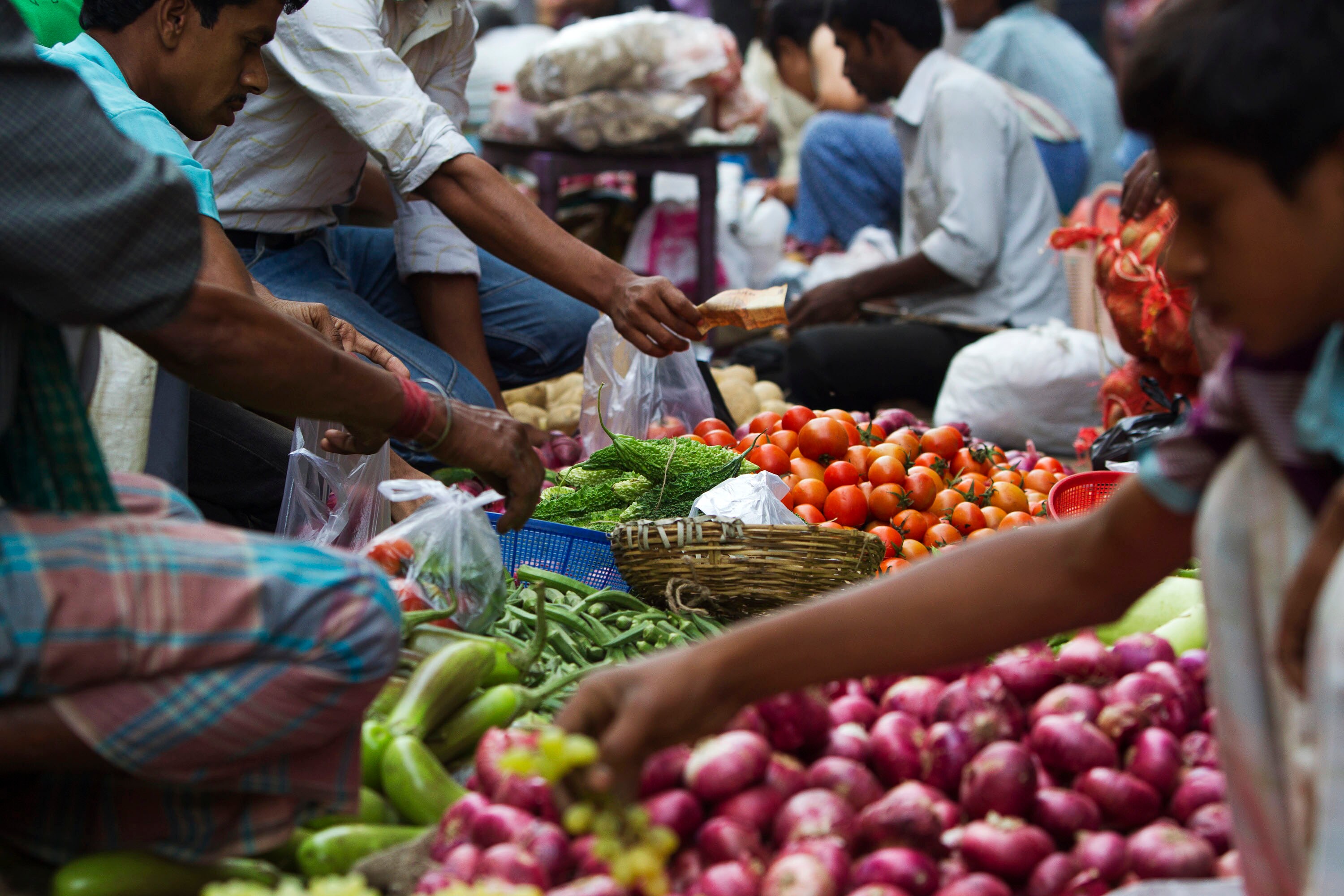
The number more likely to decide the fate of incumbents is inflation, particularly food price inflation.
Unlike double-digit GDP growth, the impact of double-digit inflation rarely goes unfelt or unremarked by voters. Often they can recite recent price increases for onions or ghee down to the rupee, because these numbers determine what—or whether—their family eats. High inflation has presaged the fall of leaders from Rajasthan Chief Minister Shekhawat in 1998 to Prime Minister Manmohan Singh in 2014.
But deflation can have the same effect. Lately, farmers have told us they planned to vote against their incumbent government out of frustration over depressed crop prices.
Local issues often trump national ones, and vary dramatically from state to state. While a prohibition state like Gujarat demands that visitors reveal ‘the name of the drunkard' seeking to buy alcohol, Tamil Nadu struggles to wean its alcoholics off booze and its state bureaucracy off alcohol tax revenue. Today the clouds of smog stretching across the subcontinent are a big issue in Delhi, a nonissue in provincial cities and towns, where voters are less focused on air quality than more pressing concerns such as finding a functioning school for their children. Even the national corruption scandals that periodically consume Delhi matter less outside the biggest cities than scandals involving state leaders.
Alongside inflation, corruption is the other big incumbent killer, though it works in strange ways.
Leaders rarely make it five years without facing some charge of corruption, and many of them can survive so long as the charge doesn't come to dominate the election storyline. But sweeping corruption charges have been contributing to the defeat of leaders at least since Rajiv and the Bofors case, and we have seen scandal help topple Vasundhara Raje on her ties to a flamboyant ‘super chief minister', Mayawati on the self-indulgence of her own statues and palaces, and many others.
One of the supreme ironies of Indian politics, however, is that corruption charges seem to hurt more than convictions.
Voters are so sure justice in India is loaded against innocents, they often look more sympathetically on leaders emerging from jail.
Lalu Yadav is one of the more irrepressible characters we have encountered in Indian politics, but never more so than after he emerged from prison, and told us he had never felt so adored by his supporters. In other emerging countries politicians may come back after a jail term, but rarely does time in the lock-up provide a career boost, the way it does in India.

The thread that runs through the tests of Indian democracy is intimacy and connection: winning campaigns need to understand the ties that bind Indian voters to community and family, their frustration with government and the slow pace of economic progress, the pain of rising prices, and their sense of disgust with both corruption and the justice system. More than 1.3 billion people, more than 900 million of them eligible to vote in 2019, and yet these intimate connections are the key. Often, challengers prevail by simply watching the incumbent fail one or more of these tests.
Excerpted with permission from Ruchir Sharma's ‘Democracy on the Road' published by Penguin India.
Ruchir Sharma is the author of ‘The Rise and Fall of Nations' and ‘Breakout Nations'.
The views expressed here are those of the author and do not necessarily represent the views of BloombergQuint or its editorial team.

-
Indians Are Travelling, But Not Every Journey Is A Holiday | The Week In Whys

Pilgrims, patients and working women are the real travellers, and the system hasn't quite caught up with them.
-
Getting To Work Costs Women More | The Reason Why
It is not just about women paying more than men. It is about women paying much more in cities than in villages.
-
AI Bias In Investing Cannot Be Eliminated, But It Can Be Governed
Framing is a particularly important example as identical financial information presented in terms of gains rather than losses can lead an LLM to reach a different assessment.
-
Joining The Dots | Dark Skies, Steady Diya: Why Hope Holds This Diwali
With war, a weak rupee and foreign outflows weighing on sentiment, policymakers at the NDTV World Summit and market veterans at NDTV Profit Ignite: Diwali Edition offered the same advice: stay invested and filter out the noise.
-
The Curious Case of Equitas Small Finance Bank And A CEO Who Quit For Stock
PN Vasudevan believes persistent investor concerns over a perceived conflict of interest had become a governance overhang on Equitas Small Finance Bank's stock, even as the lender improved profitability and asset quality.
-
Talking Points This Week: AI Cash Burn, A Tiger Comeback And An India That Still Finds Its Own Path
India is not immune to higher oil or tighter global liquidity, yet its earnings base is broader, its domestic policy levers are still available.
-
Foreign Investors Own Half Of HDFC Bank and ICICI Bank. An LTCG Cut Could Matter Most Here
Foreign portfolio investors have US$115 billion parked in HDFC Bank, ICICI Bank. If the government cuts long-term capital gains tax, Jefferies says returning foreign money could land here first.
-
'Never Seen This Level Of Negativity': Sandeep Tandon Says The Next Rally May Be Closer Than You Think
Veteran investor Sandeep Tandon says foreign selling is easing, large-caps are due a comeback and mid-caps are crowded, while he turns positive on gold, power and pharma this Diwali.
-
Indians Stay With Family, Not In Hotels | The Reason Why
India still lacks enough clean, reliable and affordable hotels for budget-conscious travellers.
-
The Economic Imperative: Analysing The Material Driving Force Behind India-Canada Strategic Reset
This economic complementarity is further reinforced by deep institutional investment ties and talent mobility, which form the bedrock of the bilateral framework.










